




 حالة الطقس
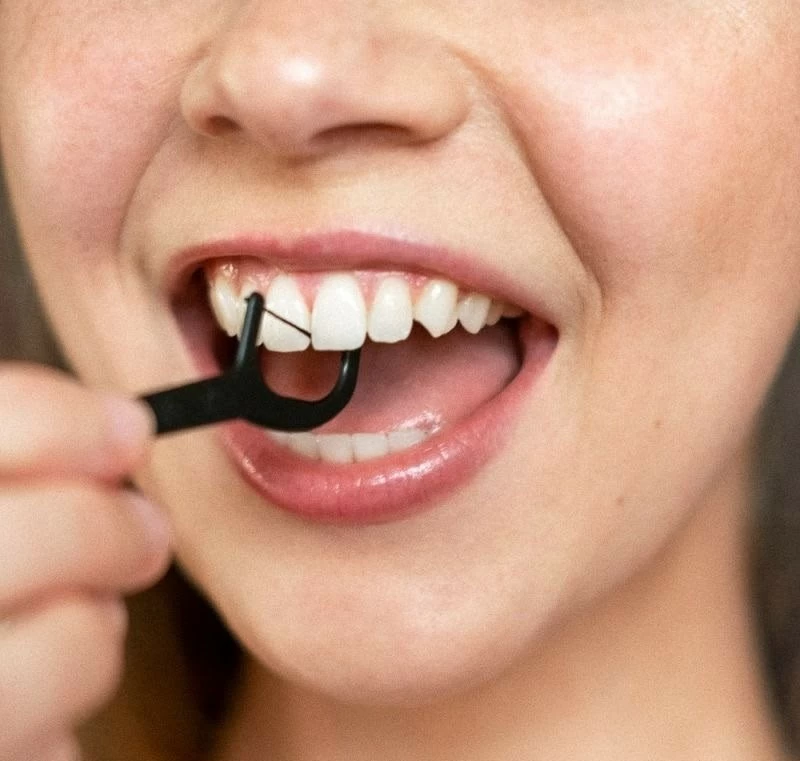
رغم أن تنظيف الأسنان بالفرشاة يُعد من أساسيات العناية اليومية بالفم، فإن كثيرين يغفلون عن خطوة مهمة لا تصل إليها شعيرات الفرشاة بشكل كافٍ، وهي تنظيف المسافات بين الأسنان باستخدام خيط الأسنان أو أدوات التنظيف البينية. فهذه المناطق قد تتجمع فيها بقايا الطعام والبلاك، ما يجعل تنظيفها جزءًا أساسيًا من الحفاظ على صحة الأسنان واللثة.
يساعد استخدام خيط الأسنان على إزالة البلاك المتراكم بين الأسنان وعلى امتداد خط اللثة، وهي مناطق يصعب الوصول إليها بالفرشاة وحدها. ومع تراكم البلاك وعدم إزالته يمكن أن يتحول إلى جير، وقد يؤدي إلى التهاب اللثة وظهور أعراض مثل الاحمرار والتورم والنزيف ورائحة الفم غير المرغوبة.
وتوصي الجهات الصحية بتنظيف ما بين الأسنان يوميًا، سواء باستخدام الخيط أو فرشاة ما بين الأسنان، بحسب طبيعة المسافات بين الأسنان واحتياجات كل شخص. وتُعد الفرشاة البينية خيارًا مناسبًا خصوصًا عندما تكون هناك مسافات أوسع بين الأسنان، بينما قد يكون الخيط أكثر ملاءمة للمساحات الضيقة.
ولا يتعلق الأمر بكمية الخيط المستخدمة بقدر ما يتعلق بالطريقة الصحيحة؛ إذ يُمرر الخيط بلطف بين الأسنان ثم يُحرّك بمحاذاة سطح كل سن وتحت حافة اللثة دون عنف، لتقليل احتمالية إيذاء أنسجة اللثة. كما يُنصح باستخدام وسيلة تنظيف بينية مرة واحدة يوميًا ضمن روتين العناية بالفم.
Although brushing teeth is considered one of the essentials of daily oral care, many people overlook an important step that toothbrush bristles cannot adequately reach, which is cleaning the spaces between the teeth using dental floss or interdental cleaning tools. These areas can accumulate food debris and plaque, making their cleaning an essential part of maintaining the health of teeth and gums.
Using dental floss helps remove the plaque that accumulates between the teeth and along the gum line, which are areas that are difficult to reach with a toothbrush alone. If plaque builds up and is not removed, it can turn into tartar, potentially leading to gum inflammation and symptoms such as redness, swelling, bleeding, and unwanted bad breath.
Health authorities recommend cleaning between the teeth daily, whether using floss or an interdental brush, depending on the nature of the spaces between the teeth and individual needs. An interdental brush is a suitable option, especially when there are wider gaps between the teeth, while floss may be more appropriate for tighter spaces.
It’s not about the amount of floss used as much as it is about the correct technique; the floss should be gently passed between the teeth and then moved along the surface of each tooth and under the gum line without force, to minimize the risk of injuring the gum tissues. It is also advised to use an interdental cleaning tool once a day as part of the oral care routine.