





 حالة الطقس

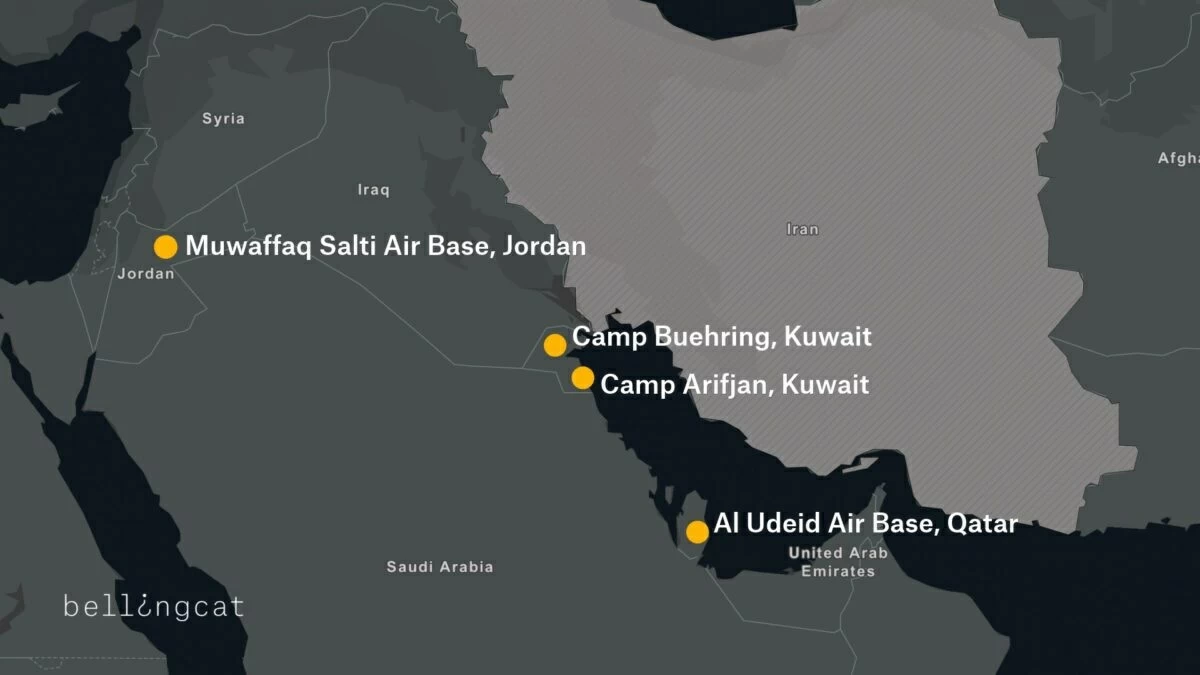
في عصر أصبحت فيه تفاصيل الحياة اليومية مكشوفة أمام عدسات الأقمار الصناعية، وجدت القواعد العسكرية الأمريكية نفسها في مرمى نيران من نوع مختلف. وفي تحقيق استقصائي أجرته منظمة بيلينغكات (Bellingcat)، المتخصصة في صحافة المصادر المفتوحة والتحقيقات الاستقصائية الرقمية، كشف التحقيق ثغرة أمنية غير متوقعة سهّلت على الضربات الإيرانية تحديد أهدافها في الشرق الأوسط، مسلطاً الضوء على خطر لم يكن في الحسبان.


لم تبدأ القصة من اختراق سيبراني معقد أو تجسس تقليدي، بل انطلقت من تطبيقات رسم الخرائط المتاحة للجميع مثل «خرائط قوقل» و«بينج». منصات رقمية بسيطة استخدمها الجنود والزوار سابقاً لتقييم صالات الرياضة، أو مشاركة صور أماكن الإقامة ومحطات الوقود ومرافق الطعام داخل قواعد حساسة مثل «معسكر بوهرينغ»، و«عريفجان»، وقاعدة «العديد»، تحولت دون قصد إلى بنك أهداف دقيق يرسم خريطة الحياة اليومية للجنود بدقة متناهية.


وأكد خبراء عسكريون لـ«Bellingcat» أن هذه البيانات المفتوحة قدمت ما يُعرف بـ«نمط الحياة» داخل القواعد، مما ساعد في توجيه الهجمات الصاروخية وبالطائرات المسيرة التي ألحقت أضراراً بأكثر من 20 موقعاً عسكرياً منذ اندلاع الصراع. ومع سقوط ضحايا وإصابات واسعة، يقف البنتاغون اليوم أمام واقع مرير يفرض إعادة النظر في مفهوم الأمن العملياتي والانضباط الرقمي لعناصره، في عالم لم يعد يخفي شيئاً.
In an era where the details of daily life are exposed to the lenses of satellites, American military bases have found themselves in the crosshairs of a different kind of fire. In an investigative report conducted by Bellingcat, an organization specializing in open-source journalism and digital investigations, the investigation revealed an unexpected security vulnerability that made it easier for Iranian strikes to identify their targets in the Middle East, highlighting a danger that had not been anticipated.

The story did not begin with a complex cyber breach or traditional espionage; rather, it started with publicly available mapping applications like “Google Maps” and “Bing.” Simple digital platforms previously used by soldiers and visitors to evaluate gyms or share photos of accommodations, gas stations, and dining facilities within sensitive bases such as “Camp Buehring,” “Arifjan,” and “Al Udeid” inadvertently transformed into a precise target bank that meticulously mapped the daily lives of soldiers.
Military experts confirmed to Bellingcat that this open data provided what is known as a “lifestyle” within the bases, which helped guide missile and drone attacks that have damaged more than 20 military sites since the outbreak of the conflict. With casualties and widespread injuries, the Pentagon today faces a bitter reality that necessitates a reevaluation of the concept of operational security and the digital discipline of its personnel, in a world that no longer hides anything.