

 حالة الطقس
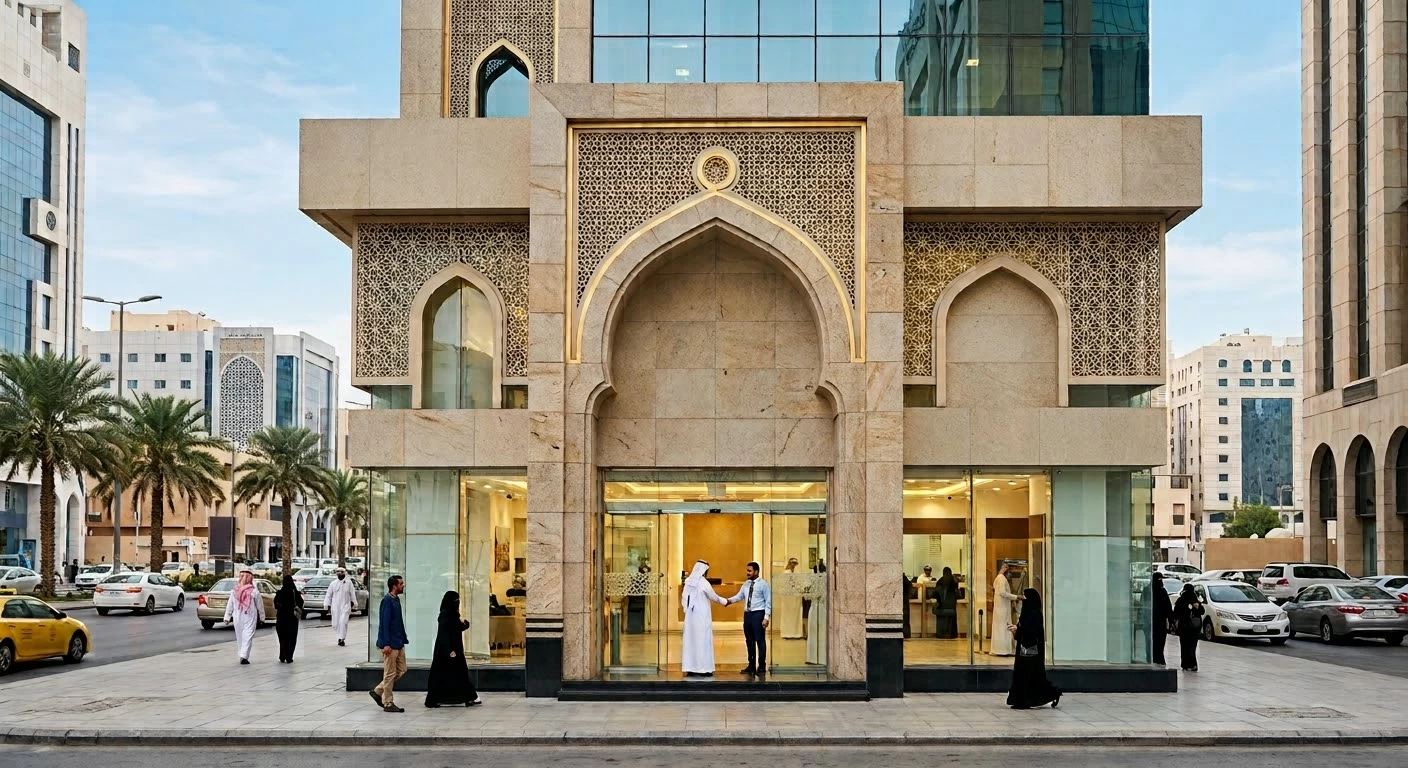
توقعت وكالة موديز أن تستمر البنوك الإسلامية في مجلس التعاون الخليجي في التوسع بوتيرة أسرع من البنوك التقليدية، مدعومة بالطلب القوي على التمويل المتوافق مع الشريعة، إلى جانب ارتفاع مستوى التعرض للقطاع العام في محافظ الأفراد والشركات، ما يدعم جودة القروض.
وأكدت أن القوى الهيكلية للبنوك الإسلامية ستواصل دعم مقاييس ائتمانية أقوى مقارنةً بالبنوك التقليدية، رغم البيئة التشغيلية الأكثر تحدياً.
وأضافت أن البنوك الإسلامية قد تتفوق من حيث الربحية، بدعم من ارتفاع هوامشها الهيكلية وانخفاض تكاليفها الائتمانية، موضحةً أن التمويل والسيولة لا يزالان مدعومين بقاعدة قوية من ودائع الأفراد واستمرار الوصول إلى أسواق الصكوك.
وبيّنت أنه رغم أن خيارات إدارة السيولة المتوافقة مع الشريعة لا تزال محدودة، إلا أن السيولة وفيرة بشكل عام، كما أن واقع التمويل لدى البنوك الإسلامية أفضل مقارنةً بالبنوك التقليدية المماثلة.
وأشارت إلى أن إغلاق مضيق هرمز يواصل تعطيل الصادرات وسلاسل الإمداد في المنطقة، ومن المحتمل تراجع نمو الاقتصاد غير النفطي خلال عام 2026، خصوصاً في قطاعات السياحة والعقارات والبناء والخدمات اللوجستية، مشيرةً إلى أنها قطاعات حساسة للثقة وتعتمد على الترابط التجاري.
وأوضحت أن البنوك الإسلامية في مجلس التعاون الخليجي تحتفظ بقدرة كبيرة على استيعاب تراجع جودة القروض إلى جانب نمو الميزانية العمومية، مدعومة بقوة الاحتفاظ بالأرباح واستمرار الوصول إلى السوق من خلال الإصدارات الأخيرة للصكوك الإضافية من الفئة 1 (AT1).
Moody’s has predicted that Islamic banks in the Gulf Cooperation Council will continue to expand at a faster pace than traditional banks, supported by strong demand for Sharia-compliant financing, along with a high level of exposure to the public sector in the portfolios of individuals and companies, which supports loan quality.
It confirmed that the structural strengths of Islamic banks will continue to support stronger credit metrics compared to traditional banks, despite the more challenging operating environment.
It added that Islamic banks may outperform in terms of profitability, supported by higher structural margins and lower credit costs, noting that financing and liquidity remain supported by a strong base of individual deposits and continued access to Sukuk markets.
It indicated that although Sharia-compliant liquidity management options remain limited, liquidity is generally abundant, and the financing reality for Islamic banks is better compared to similar traditional banks.
It pointed out that the closure of the Strait of Hormuz continues to disrupt exports and supply chains in the region, and non-oil economic growth is likely to decline during 2026, particularly in the tourism, real estate, construction, and logistics sectors, noting that these are confidence-sensitive sectors that rely on trade connectivity.
It clarified that Islamic banks in the Gulf Cooperation Council maintain a significant capacity to absorb a decline in loan quality alongside balance sheet growth, supported by strong profit retention and continued market access through recent additional Tier 1 (AT1) Sukuk issuances.