

 حالة الطقس
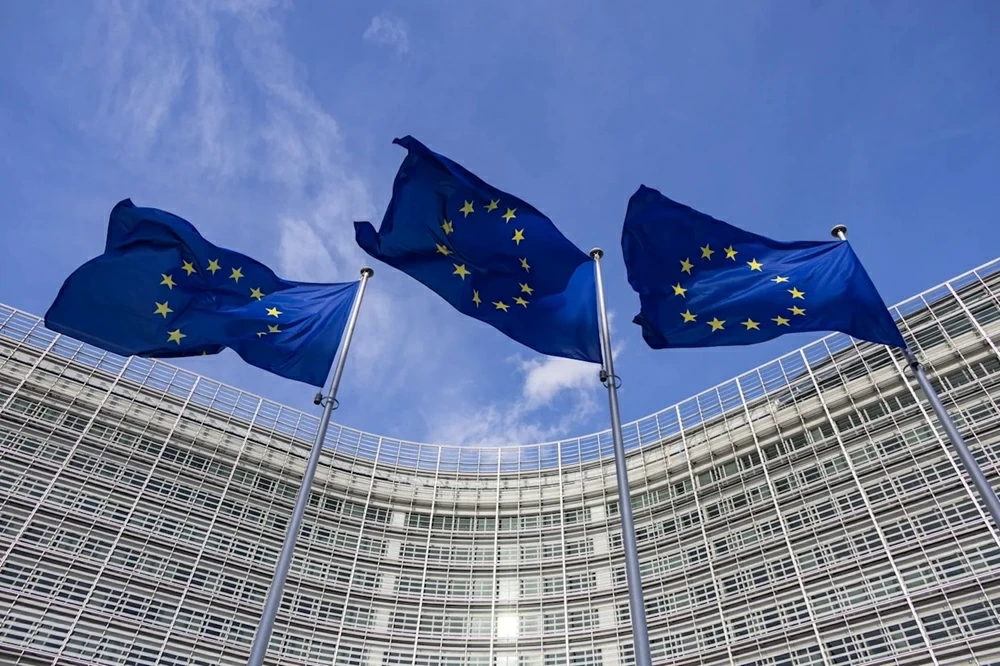
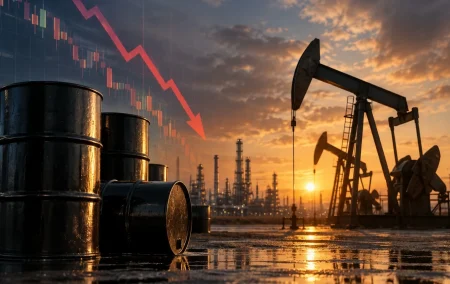
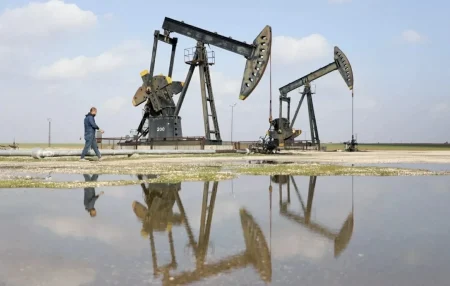
تدرس حكومات أوروبية فرض ضريبة استثنائية على الأرباح التي تحققها شركات الطاقة، في محاولة لاحتواء التداعيات الاقتصادية والسياسية للارتفاع الحاد في أسعار النفط والغاز، بعدما وصلت أسعار الوقود في عدد من دول الاتحاد الأوروبي إلى مستويات قياسية.
وتأتي هذه التحركات في وقت تواجه فيه حكومات أوروبية ضغوطًا متزايدة بسبب ارتفاع تكاليف المعيشة، بالتزامن مع تنامي نفوذ أحزاب اليمين المتطرف، فيما تستعد ثماني دول أعضاء في الاتحاد الأوروبي، بينها فرنسا وإيطاليا وإسبانيا وبولندا، لانتخابات خلال العام القادم.
وفي اجتماع لوزراء مالية الاتحاد الأوروبي بالعاصمة الأيرلندية دبلن، (الجمعة)، دعا وزير المالية الألماني لارس كلينغبيل المفوضية الأوروبية إلى طرح مقترحات بشأن آليات يمكن من خلالها فرض ضرائب على ما وصفه بـ«الأرباح المفرطة» لشركات النفط.
وقال كلينغبيل إن عددًا من الدول الأعضاء يطالب منذ فترة طويلة بوضع نماذج ضريبية للتعامل مع هذه الأرباح، داعيًا المفوضية إلى تقديم مقترحات بحلول الاجتماع القادم لوزراء مالية الاتحاد في أكتوبر.
وأضاف أن المواطنين يمكنهم رؤية أن شركات النفط «تستغل الوضع، وتفرض أسعارًا مرتفعة، وتزيد أرباحها بشكل كبير».
النفط يتجاوز 100 دولار للبرميل
وتزامنت الدعوات الأوروبية مع ارتفاع أسعار النفط العالمية مجددًا فوق مستوى 100 دولار للبرميل، لتصبح أعلى بنحو 50% مقارنة بمستويات ما قبل الحرب مع إيران، وسط تصاعد الهجمات في منطقة الشرق الأوسط ومخاوف من تعرض طرق إمدادات الطاقة لمزيد من الاضطرابات.
وتشير أسواق المشتقات إلى أن المتعاملين لا يتوقعون تراجعًا سريعًا في أسعار النفط خلال الفترة القريبة.
وانعكست القفزة في أسعار الطاقة مباشرة على محطات الوقود الأوروبية، حيث سجلت أسعار البنزين والديزل مستويات قياسية في عدة دول.
وفي ألمانيا، ارتفع متوسط سعر الديزل إلى 2.45 يورو للتر، (الأربعاء)، بينما بلغ سعر البنزين نحو 2.31 يورو، وفق بيانات أكبر اتحاد للسيارات في أوروبا.
وفي هولندا، تجاوز سعر البنزين الرقم القياسي السابق ليصل إلى 2.73 يورو للتر، فيما بلغ متوسط سعر الديزل 2.78 يورو.
كما سجلت أسعار البنزين مستويات أعلى في الدنمارك، بينما ارتفعت أسعار الديزل إلى مستويات قياسية في فنلندا.
وعلى مستوى الاتحاد الأوروبي، ارتفعت أسعار البنزين بنحو 24% مقارنة بالعام السابق، بينما زادت أسعار الديزل بنسبة 38%، وقفزت تكلفة وقود الطائرات بأكثر من 100%.
كما بلغ سعر الغاز القياسي نحو 81 يورو لكل ميجاوات/ساعة، بزيادة تقارب 150% عن مستواه قبل عام، فيما يرى محللون أن السعر قد يصل إلى 100 يورو.
المفوضية الأوروبية تتحفظ
ورغم الضغوط المتزايدة، لم تتبنَّ المفوضية الأوروبية حتى الآن خطة لفرض ضريبة موحدة على شركات الطاقة في جميع دول الاتحاد.
وقال مفوض الاقتصاد الأوروبي فالديس دومبروفسكيس إن المفوضية لا تعتزم في الوقت الحالي إطلاق آلية ضريبية على مستوى الاتحاد، لكنه أكد استعدادها للدخول في نقاش حول المقترح، مشيرًا إلى أن الدول الأعضاء تملك حق فرض ضرائبها الخاصة.
وكانت ألمانيا وإسبانيا والبرتغال وإيطاليا والنمسا من بين الدول التي دعت إلى تحرك أوروبي بشأن الأرباح الاستثنائية لشركات الطاقة.
إيطاليا وفرنسا تحت ضغط الأسعار
وأصبحت أسعار الوقود المرتفعة قضية سياسية داخلية رئيسية في فرنسا وإيطاليا، مع اقتراب استحقاقات انتخابية مهمة في البلدين العام القادم، وسط مخاوف من تأثير ارتفاع تكاليف الطاقة على الأسر والشركات.
وفي إيطاليا، أعلنت حكومة رئيسة الوزراء جورجيا ميلوني إلغاء ضريبة الطرق لنحو 14.5 مليون سيارة ودراجة نارية اعتبارًا من العام القادم، بتكلفة تتجاوز ملياري يورو، إلى جانب خفض سابق لضريبة الديزل بلغت تكلفته نحو 2.8 مليار يورو.
وقالت ميلوني إن الحكومة اختارت توجيه جزء من الموارد المستخدمة لمواجهة ارتفاع أسعار الوقود إلى إجراء يستهدف الأشخاص الذين يعتمدون يوميًا على السيارات والدراجات النارية في الذهاب إلى العمل والتنقل ونقل أطفالهم.
وفي فرنسا، طالب الرئيس إيمانويل ماكرون الحكومة بـ«التعبئة الكاملة» للتعامل مع إمدادات الوقود وأسعاره، بما في ذلك العمل على تأمين إمدادات دولية والسعي إلى إعادة فتح مضيق هرمز بصورة سلمية.
وشهدت فرنسا أيضًا احتجاجات على ارتفاع أسعار الديزل، إذ أغلق صيادون فرنسيون (الخميس) مداخل ميناءين ومستودع وقود في جنوب البلاد.
وبلغ سعر الديزل نحو 2.37 يورو للتر، مقتربًا من الرقم القياسي البالغ 2.38 يورو.
وبعد مفاوضات استمرت 6 ساعات، وافق الصيادون على إنهاء عمليات الإغلاق مقابل وعود بتقديم قروض دون فوائد لمن يواجهون مشكلات في السيولة، وربط بعض إجراءات الدعم بتغيرات أسعار الوقود.
كما مددت الحكومة الفرنسية دعم الوقود الطارئ حتى نهاية العام لقطاعات الزراعة والصيد والبناء.
ألمانيا تتحرك لخفض الأسعار
وفي ألمانيا، أعلنت الحكومة خفض الضرائب على البنزين والديزل بنحو 0.17 يورو للتر اعتبارًا من الأول من أكتوبر وحتى نهاية العام، ضمن حزمة تخفيف تبلغ قيمتها الإجمالية نحو 2.5 مليار يورو.
كما تعتزم الحكومة إجراء محادثات مع شركات النفط بهدف التوصل إلى آلية للحد من أسعار الوقود، على أن يبدأ تطبيق سقف للأسعار، في حال الاتفاق عليه، بحلول الأول من يناير 2027 على أقصى تقدير.
وقال المستشار الألماني فريدريش ميرتس، إن الأشخاص الذين يعتمدون على سياراتهم يوميًا «يصلون إلى نقطة الانهيار»، مؤكدًا أن الحكومة تريد مساعدة المواطنين والشركات في مواجهة أزمة الأسعار.
وتأتي الإجراءات الألمانية في ظل ضغوط سياسية متزايدة على حكومة ميرتس، خصوصًا مع تقدم حزب البديل من أجل ألمانيا اليميني المتطرف في بعض الانتخابات المحلية، وحملته الداعية إلى العودة إلى واردات الغاز الروسي الرخيص التي تخلت عنها أوروبا بدرجة كبيرة بعد الغزو الروسي لأوكرانيا عام 2022.
إسبانيا تخفض الضرائب أيضًا
وفي إسبانيا، ضاعفت الحكومة في أغسطس خصم ضريبة الديزل إلى 0.20 يورو للتر اعتبارًا من الأول من سبتمبر، بعد ارتفاع أسعار الديزل بنسبة 15.7% خلال يوليو.
وتكشف هذه الإجراءات عن اختلاف استراتيجيات الحكومات الأوروبية في التعامل مع أزمة الطاقة، بين خفض الضرائب ودعم المستهلكين، وفرض قيود محتملة على الأسعار، إلى جانب المقترح الألماني بفرض ضريبة استثنائية على الأرباح المرتفعة لشركات الطاقة.
وفي الوقت نفسه، لا تزال فكرة فرض ضريبة موحدة على مستوى الاتحاد الأوروبي قيد النقاش، دون قرار نهائي حتى الآن بشأن اعتمادها.
European governments are studying the imposition of an extraordinary tax on the profits generated by energy companies, in an attempt to contain the economic and political repercussions of the sharp rise in oil and gas prices, after fuel prices in several EU countries reached record levels.
These moves come at a time when European governments are facing increasing pressure due to rising living costs, coinciding with the growing influence of far-right parties, as eight EU member states, including France, Italy, Spain, and Poland, prepare for elections in the coming year.
During a meeting of EU finance ministers in the Irish capital Dublin on Friday, German Finance Minister Lars Klingbeil called on the European Commission to propose mechanisms through which taxes could be imposed on what he described as “excessive profits” of oil companies.
Klingbeil stated that several member states have long been calling for tax models to address these profits, urging the Commission to present proposals by the next meeting of EU finance ministers in October.
He added that citizens can see that oil companies “are exploiting the situation, charging high prices, and significantly increasing their profits.”
Oil Surpasses $100 a Barrel
The European calls coincided with a renewed rise in global oil prices above the $100 per barrel mark, which is about 50% higher than pre-war levels with Iran, amid escalating attacks in the Middle East and concerns about further disruptions to energy supply routes.
Derivative markets indicate that traders do not expect a rapid decline in oil prices in the near term.
The surge in energy prices has directly impacted European fuel stations, where gasoline and diesel prices have reached record levels in several countries.
In Germany, the average price of diesel rose to €2.45 per liter on Wednesday, while gasoline was priced at around €2.31, according to data from the largest automotive association in Europe.
In the Netherlands, gasoline prices surpassed the previous record to reach €2.73 per liter, while the average price of diesel was €2.78.
Gasoline prices also reached higher levels in Denmark, while diesel prices hit record highs in Finland.
Across the EU, gasoline prices have increased by about 24% compared to the previous year, while diesel prices rose by 38%, and the cost of jet fuel surged by more than 100%.
The standard price of gas reached around €81 per megawatt-hour, an increase of nearly 150% from a year ago, with analysts predicting the price could reach €100.
The European Commission Remains Cautious
Despite the increasing pressure, the European Commission has not yet adopted a plan to impose a unified tax on energy companies across all member states.
European Economy Commissioner Valdis Dombrovskis stated that the Commission does not currently intend to launch a tax mechanism at the EU level, but he confirmed its readiness to engage in discussions about the proposal, noting that member states have the right to impose their own taxes.
Germany, Spain, Portugal, Italy, and Austria were among the countries that called for a European action regarding the extraordinary profits of energy companies.
Italy and France Under Price Pressure
High fuel prices have become a major domestic political issue in France and Italy, with important electoral deadlines approaching in both countries, amid concerns about the impact of rising energy costs on households and businesses.
In Italy, Prime Minister Giorgia Meloni’s government announced the cancellation of road taxes for about 14.5 million cars and motorcycles starting next year, at a cost exceeding €2 billion, along with a previous reduction in diesel tax costing around €2.8 billion.
Meloni stated that the government chose to direct part of the resources used to address rising fuel prices towards measures targeting individuals who rely daily on cars and motorcycles for commuting to work and transporting their children.
In France, President Emmanuel Macron called for “full mobilization” from the government to address fuel supplies and prices, including working to secure international supplies and seeking to peacefully reopen the Strait of Hormuz.
France also witnessed protests against rising diesel prices, as French fishermen closed the entrances to two ports and a fuel depot in the south of the country on Thursday.
Diesel prices reached around €2.37 per liter, nearing the record of €2.38.
After six hours of negotiations, the fishermen agreed to end the closures in exchange for promises of interest-free loans for those facing liquidity issues, linking some support measures to changes in fuel prices.
The French government also extended emergency fuel support until the end of the year for the agriculture, fishing, and construction sectors.
Germany Moves to Lower Prices
In Germany, the government announced a reduction in taxes on gasoline and diesel by about €0.17 per liter starting October 1 until the end of the year, as part of a relief package totaling around €2.5 billion.
The government also intends to hold talks with oil companies to establish a mechanism to limit fuel prices, with a price cap expected to be implemented by January 1, 2027, at the latest.
German Chancellor Friedrich Merz stated that individuals who rely on their cars daily “are reaching a breaking point,” emphasizing that the government wants to help citizens and businesses cope with the price crisis.
The German measures come amid increasing political pressure on Merz’s government, especially with the far-right Alternative for Germany party making gains in some local elections, advocating for a return to cheap Russian gas imports that Europe largely abandoned after Russia’s invasion of Ukraine in 2022.
Spain Also Cuts Taxes
In Spain, the government doubled the diesel tax rebate to €0.20 per liter starting September 1, after diesel prices rose by 15.7% in July.
These measures reveal the differing strategies of European governments in addressing the energy crisis, ranging from tax cuts and consumer support to potential price controls, alongside the German proposal for an extraordinary tax on the high profits of energy companies.
Meanwhile, the idea of imposing a unified tax at the EU level remains under discussion, with no final decision made yet regarding its adoption.