

 حالة الطقس
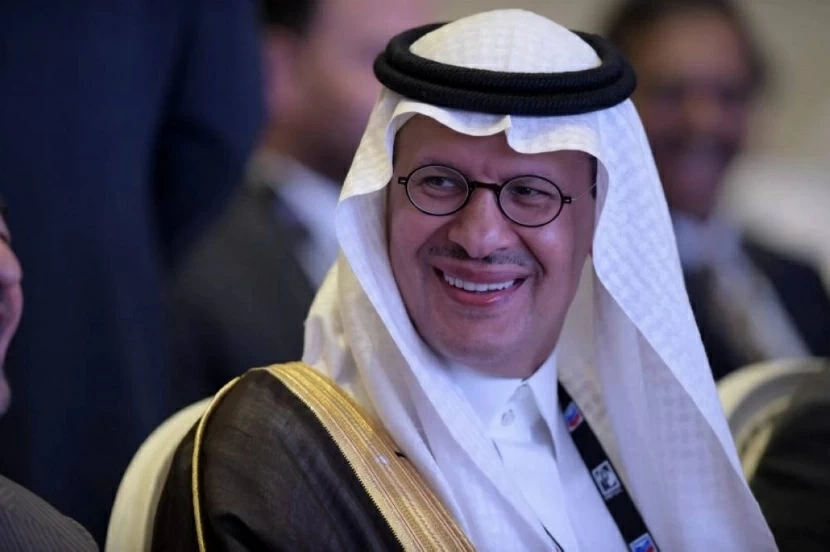
أعلن وزير الطاقة ووزير الصناعة والثروة المعدنية الأمير عبدالعزيز بن سلمان، أن نحو 5.8 مليون برميل من النفط تمر حالياً عبر خط أنابيب شرق-غرب.
وأشار إلى أن تعدد الخيارات اللوجستية ساعد المملكة ودول الخليج على التعامل مع الأزمات التي مرت بها المنطقة.
تنويع المسارات والخيارات اللوجستية
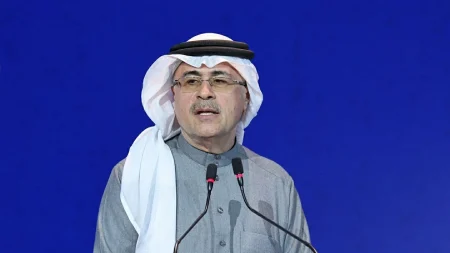
وقال الأمير عبدالعزيز بن سلمان خلال جلسة حوارية ضمن مؤتمر «صنع في الخليج» في البحرين، إن دول الخليج استفادت من تجارب الأزمات السابقة، وأن تنويع المسارات والخيارات اللوجستية كان من أبرز العوامل التي مكّنتها من مواجهة تداعيات الأزمات. وأضاف: «إن العمل يجري على دمج منظومات الطاقة والصناعة والتعدين، متوقعاً الانتهاء من عملية الجمع بين هذه المنظومات بنهاية نوفمبر القادم.» وأوضح وزير الطاقة أن التوجيه واضح بشأن ضرورة توطين كل ما يتعلق بقطاع الطاقة، مشيراً إلى أن منشآت قطاعات الصناعة والتعدين والطاقة ستضم 70% على الأقل من السعوديين.
دعم صادرات النفط السعودية
وتابع وزير الطاقة بقوله: «التوطين يمنحنا المرونة والقدرة على المقاومة.» وأوضح أن خط «شرق – غرب» ساهم في دعم صادرات النفط السعودية، حيث قامت شركة «أرامكو» باستخدام تقنيات ومواد لزيادة تخفيف الضغط على الأنابيب وبالتالي زيادة قدرة التصدير المتاحة إلى نحو 7 ملايين برميل.
وذكر وزير الطاقة أنه تم إعادة استخدام خط «شرق – غرب» بعد 5 أو 6 أيام فقط من الضربة التي تعرض لها، وتابع: «لا يمكن أن نعود بهذه السرعة لولا توفر برنامج التوطين في المملكة.»
توطين كل ما يتعلق بالطاقة
وأضاف أن المملكة تسعى لتوطين كل ما يتعلق بمنظومة الطاقة، مشيراً إلى أن المجال مفتوح لجميع الدول في مجلس التعاون الخليجي للمشاركة مع المملكة. وأوضح الأمير عبدالعزيز بن سلمان أن «أهم درس تعلمناه هو توطين كل ما نحتاجه، وهذه قاعدة عامة سواء في قطاع الطاقة أو حتى الأدوية والأغذية وغيرها.»
دعم الابتكار في جميع القطاعات
وأشار وزير الطاقة إلى أن برنامج التوطين يعتمد على التصنيع وتحويل المواد الأولية المتاحة إلى صناعات تغطي حاجات المملكة، بالتزامن مع دعم الابتكار في جميع القطاعات وخصوصاً القطاع الصناعي لتوفير تقنيات تتوافق مع حاجات المملكة. وذكر أن الجمع بين منظومات الطاقة والصناعة والتعدين يساهم في تعزيز القيمة المضافة لهذه القطاعات في الاقتصاد السعودي.
تمكين القطاعات من الوصول للقطاعات المستهدفة
ونوه وزير الطاقة إلى أنه سيتم التركيز على العمل الجماعي وتوظيف جميع الإمكانات لتمكين هذه القطاعات من الوصول إلى المستهدفات المطلوبة، مع التركيز على دعم الابتكار واستخدام التقنيات الحديثة. وتابع: «نحن أصحاب المصلحة الأكبر في توفير تقنيات مطورة ذاتياً تتوافق مع حاجاتنا، حتى نبتعد عن الاتكالية والاعتماد فقط على الموردين للحصول على التقنيات.» وأوضح أن برنامج توطين الوظائف يعمل على تحديد حاجات القطاعات الاقتصادية المختلفة والأعداد المطلوبة وبعدها يتم العمل مع الجامعات ومعاهد التدريب المهني وتوفير برامج متوائمة مع حاجات هذه القطاعات. وأفاد أنه يتم توفير برامج تدريب استباقية لإعداد الكفاءات المطلوبة في القطاعات الاقتصادية التي تتوسع بها المملكة، ومنها على سبيل المثال قطاع الطاقة المتجددة.
The Minister of Energy and Minister of Industry and Mineral Resources, Prince Abdulaziz bin Salman, announced that approximately 5.8 million barrels of oil are currently flowing through the East-West pipeline.
He pointed out that the variety of logistical options has helped the Kingdom and Gulf countries deal with the crises that the region has faced.
Diversifying Logistics Paths and Options
During a panel discussion at the “Made in the Gulf” conference in Bahrain, Prince Abdulaziz bin Salman stated that Gulf countries have benefited from previous crisis experiences, and that diversifying logistics paths and options was one of the key factors that enabled them to cope with the repercussions of the crises. He added, “Work is underway to integrate the energy, industry, and mining systems, expecting the integration process to be completed by the end of next November.” The Minister of Energy clarified that the directive is clear regarding the necessity of localizing everything related to the energy sector, noting that the facilities in the industry, mining, and energy sectors will include at least 70% Saudis.
Supporting Saudi Oil Exports
The Minister of Energy continued, saying, “Localization gives us the flexibility and ability to resist.” He explained that the East-West pipeline has contributed to supporting Saudi oil exports, as Aramco has utilized technologies and materials to reduce pressure on the pipelines, thereby increasing the available export capacity to about 7 million barrels.
The Minister of Energy mentioned that the East-West pipeline was reused just 5 or 6 days after it was hit, adding, “We could not have returned this quickly without the localization program in the Kingdom.”
Localizing Everything Related to Energy
He added that the Kingdom is striving to localize everything related to the energy system, indicating that the door is open for all countries in the Gulf Cooperation Council to participate with the Kingdom. Prince Abdulaziz bin Salman clarified that “the most important lesson we learned is to localize everything we need, and this is a general rule whether in the energy sector or even in pharmaceuticals, food, and others.”
Supporting Innovation Across All Sectors
The Minister of Energy pointed out that the localization program relies on manufacturing and transforming available raw materials into industries that meet the Kingdom’s needs, while also supporting innovation across all sectors, especially the industrial sector, to provide technologies that align with the Kingdom’s needs. He mentioned that integrating the energy, industry, and mining systems contributes to enhancing the added value of these sectors in the Saudi economy.
Empowering Sectors to Reach Targeted Sectors
The Minister of Energy noted that there will be a focus on teamwork and utilizing all capabilities to empower these sectors to achieve the required targets, with an emphasis on supporting innovation and using modern technologies. He continued, “We are the largest stakeholders in providing self-developed technologies that meet our needs, so we can move away from dependency and reliance solely on suppliers for technologies.” He clarified that the job localization program works on identifying the needs of various economic sectors and the required numbers, after which collaboration with universities and vocational training institutes takes place to provide programs aligned with the needs of these sectors. He stated that proactive training programs are being provided to prepare the required competencies in the economic sectors that the Kingdom is expanding into, including, for example, the renewable energy sector.