




 حالة الطقس
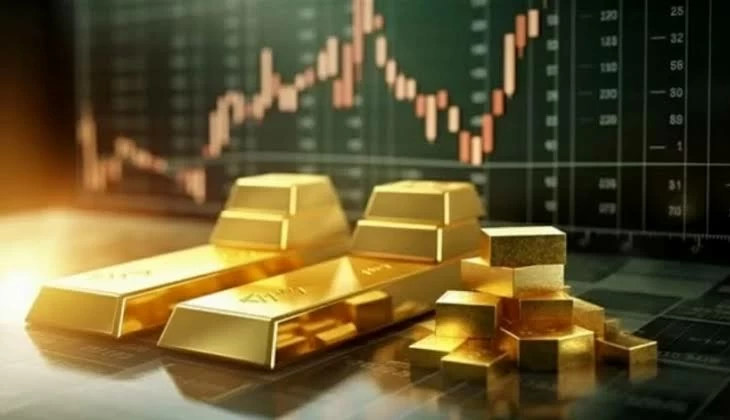
ارتفعت أسعار الذهب بأكثر من 1% اليوم، مع استيعاب المستثمرين لقرار رفع سعر الفائدة الأمريكية وتلميحات بمزيد من إجراءات التشديد النقدي، بينما توقفت موجة صعود شهدتها أسعار النفط، وذلك رغم أن الذهب يعد وسيلة للتحوط من التضخم، فإن أسعار الفائدة المرتفعة تقلل من جاذبيته مقارنة بالأصول التي تدر عوائد.
المعاملات الفورية
وصعد سعر الذهب في المعاملات الفورية 1.1% إلى 4,310.49 دولار للأوقية بعد أن سجل أدنى مستوى له في نحو ستة أسابيع أمس (الأربعاء).
وانخفضت العقود الأمريكية الآجلة للذهب تسليم ديسمبر القادم بنحو 1% إلى 4,348.70 دولار.
وهبطت أسعار النفط مواصلة التراجع من الجلسة الماضية بعد تقارير قلصت من المخاوف بشأن انقطاع الإمدادات.
النفط عامل رئيسي
وقال كبير محللي السوق لدى أوندا كلفن وونج: «تظل أسعار النفط عاملاً رئيسياً يتعين متابعته. فإذا استمرت أسعار النفط في الانخفاض، فقد يدعم ذلك ارتفاع أسعار الذهب، على الأقل من منظور متوسط الأمد، وإلى أن يتحقق ذلك، أتوقع أن يظل تداول الذهب ضمن نطاق محدد».
وأضاف أن الارتفاع الحالي في أسعار الذهب مدفوع أيضاً إلى حد كبير بعوامل فنية إذ أخذت السوق في الاعتبار إشارات مجلس الاحتياطي الفيدرالي بمزيد من التشديد النقدي.
ورغم أن الذهب يعد وسيلة للتحوط من التضخم، فإن أسعار الفائدة المرتفعة تقلل من جاذبيته مقارنة بالأصول التي تدر عوائد.
السيطرة على التضخم
ورفع مجلس الاحتياطي الفيدرالي أسعار الفائدة أمس. وألمح إلى المزيد من الزيادات في الأشهر القادمة، وانضم رئيس البنك المركزي الأمريكي الجديد كيفن وارش إلى قرار بالإجماع يعترف فعلياً بعدم قدرة إدارة ترمب حتى الآن على السيطرة على التضخم الذي يخشى صانعو السياسات من تفاقمه.
ويبدو أن بنك إنجلترا يتجه للإبقاء على أسعار الفائدة دون تغيير اليوم، لكن المستثمرين يترقبون أي تلميح يشير إلى أن ارتفاع أسعار الطاقة قد يجبره على اتباع نهج مجلس الاحتياطي الفيدرالي.
وبالنسبة للمعادن النفيسة الأخرى، ارتفع سعر الفضة في المعاملات الفورية 1.4% إلى 63.83 دولار، وزاد سعر البلاتين 1.6% إلى 1,780.55 دولار، وقفز البلاديوم 2% إلى 1,295 دولاراً.
Gold prices rose by more than 1% today, as investors absorbed the decision to raise U.S. interest rates and hints of further tightening measures, while the upward trend in oil prices came to a halt. Although gold is considered a hedge against inflation, high interest rates diminish its appeal compared to yield-generating assets.
Spot Transactions
The price of gold in spot transactions increased by 1.1% to $4,310.49 per ounce after hitting its lowest level in nearly six weeks yesterday (Wednesday).
U.S. gold futures for December delivery fell by about 1% to $4,348.70.
Oil prices declined, continuing to retreat from the previous session following reports that eased concerns about supply disruptions.
Oil as a Key Factor
Kelvin Wong, Senior Market Analyst at OANDA, stated: “Oil prices remain a key factor to watch. If oil prices continue to decline, this could support a rise in gold prices, at least from a medium-term perspective, and until that happens, I expect gold trading to remain within a defined range.”
He added that the current rise in gold prices is also largely driven by technical factors as the market considers the Federal Reserve’s signals for further monetary tightening.
Although gold is considered a hedge against inflation, high interest rates reduce its appeal compared to yield-generating assets.
Controlling Inflation
The Federal Reserve raised interest rates yesterday and hinted at more increases in the coming months. The new chairman of the U.S. central bank, Kevin Warsh, joined a unanimous decision that effectively acknowledges the Trump administration’s inability so far to control inflation, which policymakers fear could worsen.
It seems that the Bank of England is set to keep interest rates unchanged today, but investors are on the lookout for any hints that rising energy prices may force it to follow the Federal Reserve’s approach.
As for other precious metals, the price of silver in spot transactions rose by 1.4% to $63.83, platinum increased by 1.6% to $1,780.55, and palladium jumped by 2% to $1,295.