




 حالة الطقس
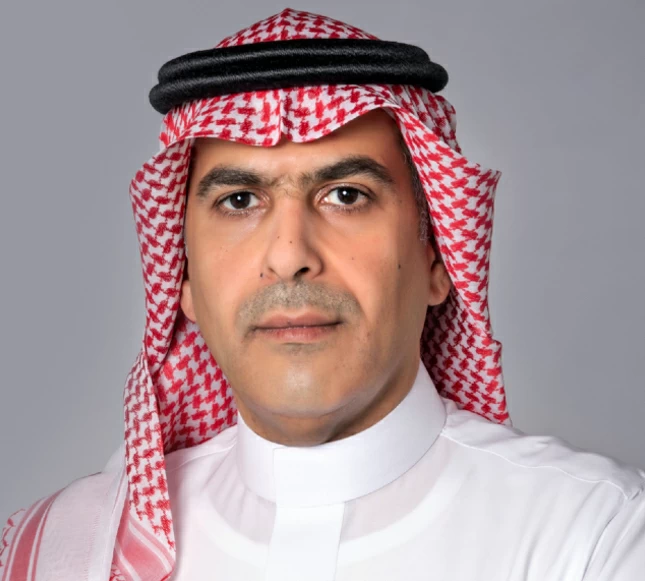
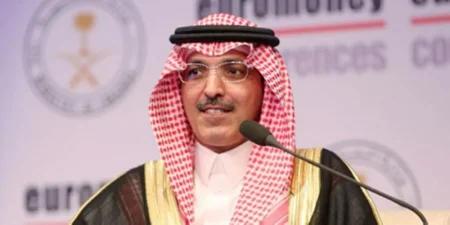
أكد محافظ البنك المركزي السعودي «ساما» أيمن السياري، أن الاقتصاد السعودي واصل المحافظة على استقرار معدلات التضخم عند متوسط 1.8% خلال الأشهر السبعة الأولى من عام 2026، مستندًا إلى قوة الطلب المحلي واستمرار نمو الأنشطة غير النفطية، لافتا إلى أن معدلات التضخم في المملكة لا تزال تحت السيطرة.
جاء ذلك خلال مشاركته في الاجتماع الثاني لوزراء المالية ومحافظي البنوك المركزية لمجموعة العشرين، المنعقد في مدينة أشفيل بولاية كارولاينا الشمالية تحت الرئاسة الأمريكية، ضمن جلسة «التطورات الاقتصادية الحالية».
مسار تصاعدي
وأوضح السياري أن الأنشطة غير النفطية واصلت مسارها التصاعدي بفضل الإصلاحات الهيكلية المتواصلة، واتساع مشاركة القطاع الخاص، وتدفقات الاستثمارات المستمرة، رغم تباطؤ وتيرة النمو العام في 2026م جراء الاضطرابات الاقتصادية الدولية.
وبين محافظ «ساما» أن الطلب المحلي يشكل ركيزة أساسية للنمو، مدعومًا بالإنفاق الحكومي، وتنفيذ المشاريع الكبرى، واستقرار سوق العمل الذي سجل مؤشرات تاريخية بانخفاض معدل البطالة الإجمالي إلى 3.1% في الربع الأول من عام 2026، وتراجع معدل بطالة المواطنين إلى 6.4%.
ضغوط تضخمية
وحول التحديات الراهنة، أشار السياري إلى أن المخاطر قصيرة الأجل تتلخص في عوامل خارجية، حيث أثرت حالة عدم اليقين الجيوسياسي وتذبذب حركة التجارة وتدفقات الطاقة على الصادرات والأنشطة غير النفطية، مشددًا على أن تنوع البنية التحتية اللوجستية ومصادر الطاقة في المملكة أسهم بشكل فعال في الحد من هذه الآثار.
وأشار إلى أن التطورات العالمية وارتفاع تكاليف الشحن والتأمين قد تفرض ضغوطًا تضخمية على المدى القريب.
The Governor of the Saudi Central Bank “SAMA,” Ayman Al-Sayari, confirmed that the Saudi economy continued to maintain stable inflation rates at an average of 1.8% during the first seven months of 2026, supported by strong domestic demand and continued growth in non-oil activities, noting that inflation rates in the Kingdom remain under control.
This came during his participation in the second meeting of the Finance Ministers and Central Bank Governors of the G20, held in Asheville, North Carolina, under the U.S. presidency, as part of the session on “Current Economic Developments.”
Upward Trajectory
Al-Sayari explained that non-oil activities continued their upward trajectory thanks to ongoing structural reforms, an expanding role for the private sector, and continuous investment flows, despite the slowdown in overall growth in 2026 due to international economic disruptions.
The Governor of “SAMA” indicated that domestic demand is a fundamental pillar of growth, supported by government spending, the implementation of major projects, and a stable labor market that recorded historical indicators with a total unemployment rate dropping to 3.1% in the first quarter of 2026, and a decrease in the unemployment rate among citizens to 6.4%.
Inflationary Pressures
Regarding current challenges, Al-Sayari pointed out that short-term risks are summarized in external factors, as geopolitical uncertainty and fluctuations in trade and energy flows have affected exports and non-oil activities, emphasizing that the diversity of the Kingdom’s logistical infrastructure and energy sources has effectively contributed to mitigating these effects.
He noted that global developments and rising shipping and insurance costs may impose inflationary pressures in the near term.