

 حالة الطقس

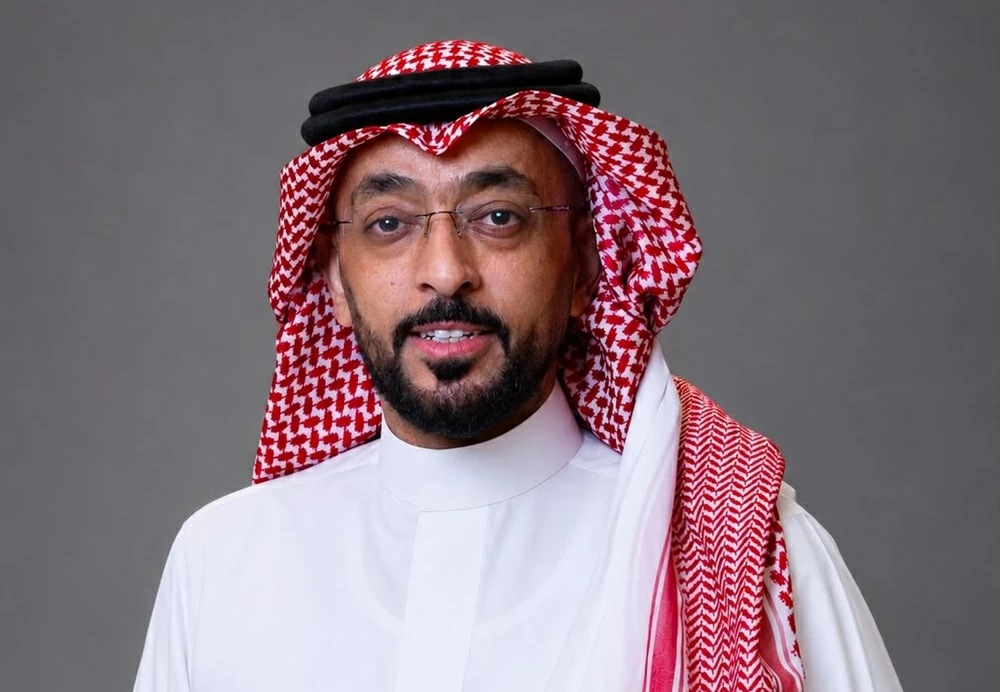
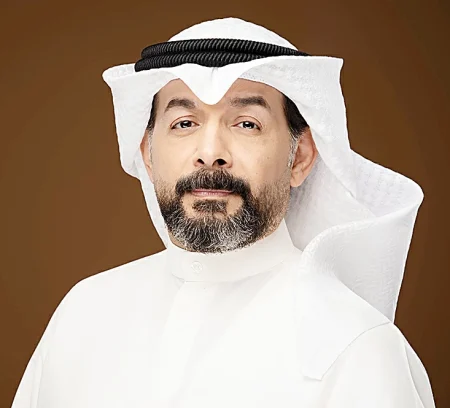
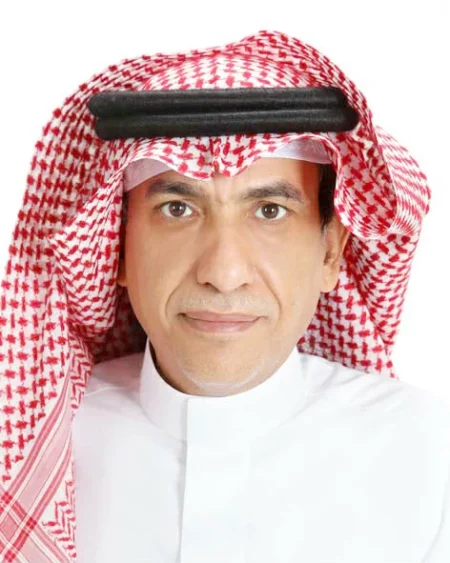
ثمن الرئيس التنفيذي لجمعية الثقافة والفنون خالد الباز، لزملائه في جمعية الثقافة والفنون؛ إسهامهم الفاعل في الحالة الثقافية؛ بمناسبة تصدر الجمعية تقرير الحالة الثقافية 2025، بواقع 315 برنامجاً تدريبياً، و 137 معرضاً فنياً، إلى جانب إسهاماتها في الإنتاج المسرحي والفنون الأدائية، ما عزز حضورها في المؤشرات الثقافية الوطنية.
وجيّر الباز المنجزات إلى 16 فرعاً في مختلف مناطق المملكة، مؤكداً أن الجمعية العربية السعودية للثقافة والفنون كرست خلال عام 2025م حضورها الريادي في تنمية المشهد الثقافي الوطني، لترفد مكانتها بوصفها إحدى أبرز المؤسسات الثقافية غير الربحية؛ إسهاماً في تحقيق مستهدفات الإستراتيجية الوطنية للثقافة ورؤية السعودية 2030.
ولفت إلى أن تقرير الحالة الثقافية الصادر عن وزارة الثقافة أنصف الجمعية رغم محدودية الموارد والإمكانات، ما يؤكد كفاءة الجمعية وعمق أثرها المجتمعي، وقدرتها على تحويل الإمكانات المحدودة إلى منجزات وطنية ملموسة.
وجدد الباز امتنانه لوزير الثقافة الأمير بدر بن عبدالله بن فرحان، على دعمه للقطاع الثقافي غير الربحي، وحرصه على تمكين المؤسسات الثقافية وتعزيز أثرها الوطني.

مشيداً بدعم رئيس مجلس إدارة جمعية الثقافة والفنون والأعضاء، ومديري فروع الجمعية ومنسوبيها على جهودهم المخلصة وفرق عملهم وفريق الإدارة التنفيذية. كون ما تحقق من منجزات هو ثمرة تكامل هذه الجهود، وإيمان الجميع برسالة الجمعية ودورها في خدمة الثقافة والفنون وتمكين المواهب والممارسين، مشيراً إلى أن جمعية الثقافة والفنون لا تواكب التحول الثقافي فحسب بل تسهم في صناعته؛ وتمكينها مالياً ومؤسسياً يمثل استثماراً مباشراً في تعظيم الأثر الثقافي الوطني واستدامته.
يذكر أن تقرير الحالة الثقافية الصادر عن وزارة الثقافة تناول هذا العام موقع الثقافة في رؤية السعودية 2030 وبرامجها ومستهدفاتها، التي تمثل مظلة للإستراتيجية الوطنية للثقافة بركائزها الثلاث: الثقافة نمط حياة، والثقافة من أجل النمو الاقتصادي، والثقافة من أجل تعزيز مكانة المملكة دولياً، إضافة إلى مراجعة شاملة لما أنجز في قطاعات الثقافة الـ 16، والمجالات الإبداعية المرتبطة بها، وما رافق هذه الإنجازات من تحولات مؤسساتية، وإجراءات تنظيمية على مدى عشرة أعوام، مستعرضاً التحديات التي تواجه العمل الثقافي عموماً؛ لتخطيها، والوصول إلى أولويات المرحلة القادمة بسلاسة أكثر.
وقدم التقرير رصداً يغطي قطاعات الثقافة عبر عدد من المؤشرات في كل فصل من فصوله الخمسة الثابتة؛ إذ رصد فصل “الإدارة والصون” جهود حوكمة القطاع الثقافي ودعمه وتمكينه، إضافة إلى حماية عناصر التراث الثقافي وصونها، والجهود المبذولة في خدمة اللغة العربية، في حين يوثق فصل “الإبداع والإنتاج الثقافي” مستويات نمو الإنتاج الأدبي، والسمعي، والبصري، والمسرحي، والفني، ويستعرض أبرز الجوائز المحلية والدولية بوصفها مؤشراً على التميز والإبداع.
وتضمن فصل “المعارف والمهارات” برامج التعليم والتدريب الثقافي، وتنمية القدرات البشرية. في حين يقدم فصل “المشاركة الثقافية” قراءة في حالة المشاركة الثقافية في المملكة، استناداً إلى مخرجات مسح المشاركة الثقافية، ويرصد نشاط المنظمات غير الربحية وأندية الهواة. ثم فصل “الاقتصاد الإبداعي” الذي يستعرض الإسهام الاقتصادي للثقافة عبر مؤشرات المهن الثقافية، والإنفاق والإيرادات، ومحددات الطلب على المنتجات، والخدمات الثقافية، إضافة إلى أربعة ملاحق، أضيف إليها هذا العام ملحق خامس بعنوان: “ملحق المناطق”؛ يستعرض أبرز المؤشرات الواردة في فصول التقرير لكل منطقة من مناطق المملكة على حدة.
واعتمدت فصول التقرير في بناء المؤشرات على البيانات المركزية لدى المنظومة الثقافية، والجهات الحكومية والخاصة ذات العلاقة، إلى جانب تنفيذ مسح للمشاركة الثقافية اعتماداً على المعايير المرجعية لمنظمة اليونسكو لضمان اتساق النتائج مع طرائق القياس العالمية، وتنظيم جلسات للنقاش البؤري بمشاركة مجموعة من الخبراء والباحثين والأكاديميين، التي تتمثل أهميتها فيما توفره من إضاءات نوعية تسهم في قراءة، وتفسير البيانات الكمية التي ترصدها مؤشرات التقرير، مستفيدة من الخبرات العملية للمشاركين، ومعرفتهم المباشرة بواقع القطاع الثقافي وتحدياته.
ويأتي إصدار “تقرير الحالة الثقافية 2025م” باعتباره أبرز الإسهامات المعرفية لوزارة الثقافة؛ إذ يمثل أداة مرجعية تدعم بناء القرارات التنظيمية، والخطط الإستراتيجية للمؤسسات العامة والخاصة، ويستهدف الباحثين ورواد الأعمال والمهتمين بمتابعة الحراك الثقافي في الداخل والخارج، ويمنحهم قراءة واضحة، ومتكاملة تبرز أهم المنجزات، وتحدد طبيعة التحديات؛ بناء على هيكلة موضوعية تدرس الثقافة بوصفها بنية واحدة مترابطة، وتسهم في رصد تحولات القطاع الثقافي وتوثيقها، لمواجهة التحديات القائمة أو المحتملة، إضافة إلى فهم أعمق لاتجاهات سوق العمل الثقافية، وتحفيز منظومة الاستثمار، وتوجيه مسارات الابتكار؛ والتي تحدث دورياً من خلال التقرير لتواكب تطلعات رؤية السعودية 2030.
The CEO of the Saudi Association for Culture and Arts, Khalid Al-Baz, praised his colleagues at the Association for their active contribution to the cultural landscape, on the occasion of the Association’s leading role in the Cultural Status Report 2025, which includes 315 training programs and 137 art exhibitions, in addition to its contributions to theatrical production and performing arts, enhancing its presence in national cultural indicators.
Al-Baz attributed the achievements to 16 branches across various regions of the Kingdom, affirming that the Saudi Arabian Association for Culture and Arts has established its pioneering presence in developing the national cultural scene during the year 2025, thereby reinforcing its status as one of the most prominent non-profit cultural institutions; contributing to the realization of the objectives of the National Culture Strategy and Saudi Vision 2030.
He pointed out that the Cultural Status Report issued by the Ministry of Culture recognized the Association despite limited resources and capabilities, which confirms the efficiency of the Association and the depth of its societal impact, as well as its ability to transform limited resources into tangible national achievements.

Al-Baz renewed his gratitude to the Minister of Culture, Prince Badr bin Abdullah bin Farhan, for his support of the non-profit cultural sector and his commitment to empowering cultural institutions and enhancing their national impact.
He praised the support of the Chairman of the Board of Directors of the Association for Culture and Arts, the members, the directors of the Association’s branches, and its staff for their sincere efforts and teamwork, emphasizing that the achievements realized are the fruit of the integration of these efforts and everyone’s belief in the Association’s message and its role in serving culture and the arts and empowering talents and practitioners. He noted that the Association for Culture and Arts not only keeps pace with the cultural transformation but also contributes to its creation; its financial and institutional empowerment represents a direct investment in maximizing and sustaining the national cultural impact.
It is worth mentioning that the Cultural Status Report issued by the Ministry of Culture this year addressed the position of culture in Saudi Vision 2030 and its programs and objectives, which represent an umbrella for the National Culture Strategy with its three pillars: culture as a way of life, culture for economic growth, and culture to enhance the Kingdom’s international standing, in addition to a comprehensive review of what has been achieved in the 16 cultural sectors and the creative fields associated with them, along with the institutional transformations and regulatory measures that have taken place over the past ten years, highlighting the challenges facing cultural work in general; to overcome them and smoothly reach the priorities of the upcoming phase.
The report provided an overview covering cultural sectors through a number of indicators in each of its five fixed chapters; the “Management and Preservation” chapter documented the governance efforts of the cultural sector and its support and empowerment, in addition to protecting and preserving elements of cultural heritage and the efforts made in serving the Arabic language, while the “Creativity and Cultural Production” chapter documented levels of growth in literary, audio, visual, theatrical, and artistic production, showcasing the most prominent local and international awards as indicators of excellence and creativity.
The “Knowledge and Skills” chapter included cultural education and training programs and the development of human capacities. Meanwhile, the “Cultural Participation” chapter provided an analysis of the state of cultural participation in the Kingdom, based on the outputs of the cultural participation survey, and monitored the activities of non-profit organizations and amateur clubs. Then there is the “Creative Economy” chapter, which reviewed the economic contribution of culture through indicators of cultural professions, spending and revenues, and determinants of demand for cultural products and services, in addition to four appendices, with a fifth appendix added this year titled: “Regional Appendix”; which reviews the most prominent indicators presented in the report’s chapters for each region of the Kingdom separately.
The chapters of the report relied on central data from the cultural system and relevant governmental and private entities, in addition to conducting a cultural participation survey based on the reference standards of UNESCO to ensure the consistency of the results with global measurement methods, and organizing focus group discussions with a group of experts, researchers, and academics, whose importance lies in the qualitative insights they provide that contribute to reading and interpreting the quantitative data tracked by the report’s indicators, benefiting from the practical experiences of the participants and their direct knowledge of the reality of the cultural sector and its challenges.
The issuance of the “Cultural Status Report 2025” comes as one of the most significant knowledge contributions of the Ministry of Culture; it represents a reference tool that supports the building of organizational decisions and strategic plans for public and private institutions, targeting researchers, entrepreneurs, and those interested in following the cultural movement both domestically and internationally, providing them with a clear and comprehensive reading that highlights the most important achievements and identifies the nature of the challenges; based on an objective structure that studies culture as an interconnected whole, and contributes to tracking and documenting the transformations of the cultural sector to address existing or potential challenges, in addition to a deeper understanding of the trends in the cultural labor market, stimulating the investment ecosystem, and directing innovation pathways; which are periodically updated through the report to align with the aspirations of Saudi Vision 2030.