


 حالة الطقس
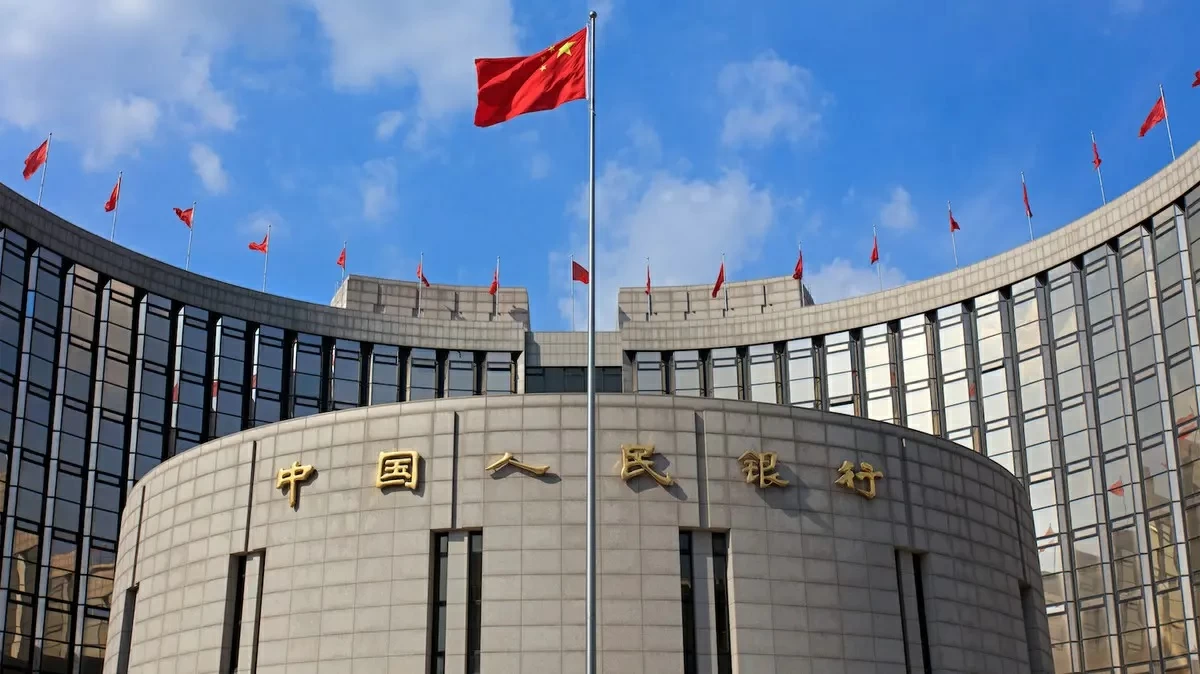
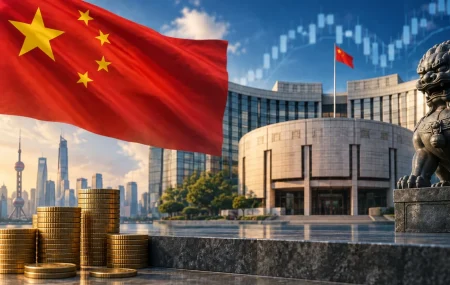
قال مستشار بالبنك المركزي الصيني وعضو لجنة السياسة النقدية في بنك الشعب الصيني هوانغ ييبينغ: «إن الذكاء الاصطناعي قد يؤدي إلى تعميق وإطالة أمد اختلال التوازن بين قوة العرض وضعف الطلب في الصين، داعياً إلى سياسات تعزز الاستهلاك وتدعم إصلاح الميزانيات العمومية في أنحاء الاقتصاد».
يحاول صانعو السياسات في الصين إنعاش الطلب المحلي في ظل استمرار أزمة سوق العقارات، وضغوط ديون الحكومات المحلية، وحذر الأسر في الإنفاق، كما ساعدت الطفرة العالمية في مجال الذكاء الاصطناعي على دعم الصادرات الصينية هذا العام، ما خفف من أثر ضعف الطلب المحلي على الاقتصاد.
وأكد ييبينغ خلال منتدى اقتصادي عُقد في بكين أمس (السبت): «إن مع انتشار استخدام الذكاء الاصطناعي على نطاق أوسع وتسارع الابتكار، قد يزداد اختلال التوازن بين قوة العرض وضعف الطلب سوءاً».
وأضاف أن «التناقض بين إجمالي الطلب وإجمالي العرض قد لا يختفي سريعاً على المدى القصير، بل قد يستمر لبعض الوقت».
حثت الولايات المتحدة وبعض شركائها التجاريين بكين على إعادة توازن اقتصادها باتجاه الاستهلاك والابتعاد عن الاعتماد على الصادرات، معتبرة أن فائض الطاقة الإنتاجية يؤدي إلى إغراق الأسواق الخارجية بالسلع الصينية الرخيصة.
وقال هوانغ: «إن الصين ينبغي أن تواصل دفع الإصلاحات القائمة على آليات السوق، بما يسمح للأسواق بدور أكبر في تخصيص الموارد، ويساعد على زيادة حصة دخل الأسر في الاقتصاد».
وأضاف أن بكين ينبغي أن تنظر أيضاً في زيادة الاستثمار الخارجي وتعزيز التعاون الصناعي، بدلاً من الاعتماد على الصادرات وحدها.
A consultant at the People’s Bank of China and a member of the monetary policy committee, Huang Yiping, said: “Artificial intelligence may deepen and prolong the imbalance between supply strength and weak demand in China, calling for policies that enhance consumption and support balance sheet reforms across the economy.”
Chinese policymakers are trying to revive domestic demand amid the ongoing real estate market crisis, pressures from local government debts, and households’ cautious spending. Additionally, the global boom in artificial intelligence has helped support Chinese exports this year, mitigating the impact of weak domestic demand on the economy.
Yiping confirmed during an economic forum held in Beijing yesterday (Saturday): “As the use of artificial intelligence spreads more widely and innovation accelerates, the imbalance between supply strength and weak demand may worsen.”
He added that “the contradiction between total demand and total supply may not disappear quickly in the short term, but may persist for some time.”
The United States and some of its trading partners have urged Beijing to rebalance its economy towards consumption and move away from reliance on exports, considering that excess production capacity leads to flooding foreign markets with cheap Chinese goods.
Huang stated: “China should continue to push for market-based reforms, allowing markets a greater role in resource allocation, and helping to increase the share of household income in the economy.”
He added that Beijing should also consider increasing foreign investment and enhancing industrial cooperation, rather than relying solely on exports.