








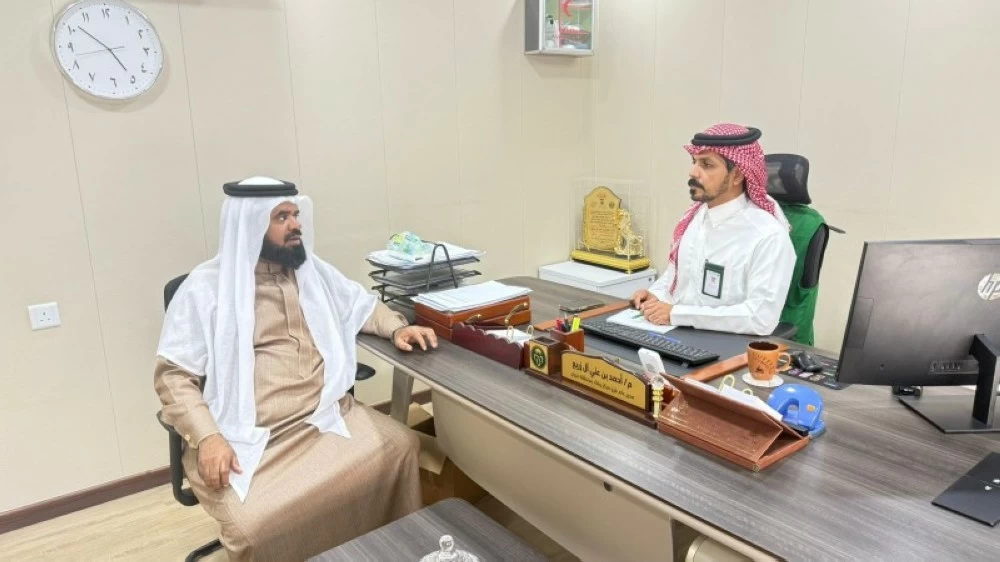
عقد مدير عام فرع المركز الوطني للوقاية من الآفات النباتية والأمراض الحيوانية ومكافحتها «وقاء» بمنطقة نجران المهندس أحمد بن علي آل زريع اجتماعًا تنسيقيًا مع رئيس جمعية الإبل بالمنطقة هادي بن بنيان آل عامر.
وجرى خلال الاجتماع مناقشة سبل تعزيز التعاون المشترك بين الجانبين واستعراض المبادرات التي تُسهم في خدمة قطاع الإبل وتنميته في المنطقة، كما تناول الاجتماع بحث فرص تطوير البرامج التوعوية والرقابية الداعمة لصحة وسلامة الثروة الحيوانية بما ينعكس إيجابًا على رفع مستوى الوعي لدى المربين وتعزيز الممارسات الصحية السليمة.
وأكد المهندس آل زريع حرص مركز وقاء على تعزيز الشراكات مع الجهات ذات العلاقة بما يدعم تطوير قطاع الإبل في منطقة نجران ويسهم في تحقيق الجهود الوطنية الرامية إلى المحافظة على صحة الثروة الحيوانية وتنميتها.
كما يهدف الاجتماع إلى مناقشة البرامج التوعوية والتدريبية المشتركة التي يمكن تنفيذها لخدمة مربي الإبل في المنطقة والوقوف على أبرز التحديات الصحية التي يواجهها قطاع الإبل ووضع آليات فعّالة لمعالجتها.
وتمت مناقشة سبل تعزيز الشراكة بين المركز والجمعية في المجالات المتعلقة بصحة الإبل، إضافة إلى دعوة الجمعية للاستفادة من خدمات المركز والانضمام إلى البرامج الخاصة بمركز وقاء، واستعراض المبادرات ذات العلاقة بصحة الإبل وآلية مشاركة الجمعية في تنفيذها.
The General Director of the National Center for Plant Pests and Animal Diseases Prevention and Control “Waqaa” in the Najran region, Engineer Ahmed bin Ali Al-Zurai, held a coordination meeting with the President of the Camel Association in the region, Hadi bin Bonyan Al-Amir.
During the meeting, ways to enhance joint cooperation between the two sides were discussed, along with reviewing initiatives that contribute to serving and developing the camel sector in the region. The meeting also addressed opportunities for developing awareness and regulatory programs that support the health and safety of livestock, positively reflecting on raising awareness among breeders and promoting sound health practices.
Engineer Al-Zurai emphasized the Center’s commitment to enhancing partnerships with relevant entities to support the development of the camel sector in the Najran region and contribute to national efforts aimed at maintaining and developing livestock health.
The meeting also aimed to discuss joint awareness and training programs that can be implemented to serve camel breeders in the region, as well as to identify the main health challenges facing the camel sector and establish effective mechanisms to address them.
Ways to enhance the partnership between the center and the association in areas related to camel health were discussed, in addition to inviting the association to benefit from the center’s services and join the programs specific to Waqaa, and reviewing initiatives related to camel health and the association’s role in implementing them.