





 حالة الطقس
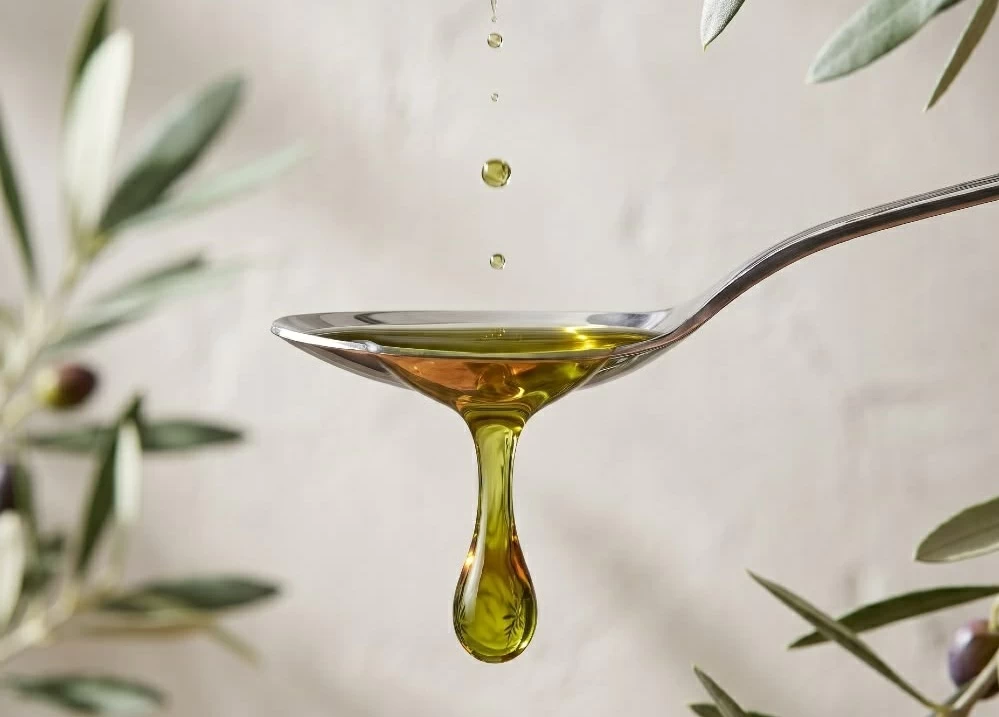
بعيداً عن استخدامه في المطبخ، يحتفظ زيت الزيتون بمكانة خاصة في طقوس الجمال لدى بعض العرائس في جنوب إيطاليا، حيث توارثت العائلات استخدامه للعناية بالبشرة والشعر قبل الزفاف، باعتباره رمزاً للنقاء والوفرة والبركة، إلى جانب ارتباطه بمعتقدات قديمة حول جلب الحظ وإبعاد العين الشريرة.
وتعود جذور هذه العلاقة بين زيت الزيتون والجمال إلى الحضارات اليونانية والرومانية القديمة، إذ كان الزيت يُستخدم لترطيب البشرة والجسم والعناية بهما، كما ارتبط لاحقاً بطقوس الزواج والخصوبة والبركة. وفي جنوب إيطاليا، وتحديداً منطقة كامبانيا ونابولي، استمر هذا الإرث في بعض العائلات حتى اليوم.
ومن الأمثلة الحديثة العروس النابولية ومصففة الأزياء روبرتا أستاريتا، التي اعتمدت زيت الزيتون ضمن روتينها الجمالي قبل زفافها عام 2024. وكانت تغسل وجهها يومياً بصابون مصنوع من زيت الزيتون، كما استخدمت شامبو بزيت الزيتون للعناية بشعرها المجعد ومنحه مظهراً أكثر نعومة ولمعاناً.
ولا يقتصر حضور الزيت على الجانب الجمالي؛ إذ يحمل معنى عاطفياً وعائلياً أيضاً. فبالنسبة لروبرتا، كانت هذه العادة جزءاً من التقاليد التي نقلتها إليها والدتها، كما ارتدت تاج الزفاف نفسه الذي ارتدته والدتها في يوم زفافها، لتجمع بين طقس الجمال وإرث العائلة.
ويحتوي زيت الزيتون على مركبات دهنية مثل حمض الأولييك واللينوليك، إضافة إلى السكوالين والفيتوستيرولات وبعض الفيتامينات، وهي مكونات تمنحه خصائص مطرية ومرطبة للبشرة. كما يمكن للزيت أن يساعد في تقليل جفاف الشعر ومنحه مظهراً أكثر نعومة.
Apart from its use in the kitchen, olive oil holds a special place in the beauty rituals of some brides in southern Italy, where families have inherited its use for skin and hair care before weddings, considering it a symbol of purity, abundance, and blessing, along with its association with ancient beliefs about bringing good luck and warding off the evil eye.
The roots of this relationship between olive oil and beauty date back to ancient Greek and Roman civilizations, where the oil was used to moisturize the skin and body and care for them. It later became associated with marriage, fertility, and blessings. In southern Italy, specifically in the Campania region and Naples, this heritage continues in some families to this day.
One modern example is the Neapolitan bride and fashion stylist Roberta Astariata, who incorporated olive oil into her beauty routine before her wedding in 2024. She washed her face daily with soap made from olive oil and used olive oil shampoo to care for her curly hair, giving it a softer and shinier appearance.
The presence of the oil is not limited to the beauty aspect; it also carries emotional and familial significance. For Roberta, this practice was part of the traditions passed down to her by her mother, and she wore the same wedding crown that her mother wore on her wedding day, combining the beauty ritual with family heritage.
Olive oil contains fatty compounds such as oleic and linoleic acids, in addition to squalene, phytosterols, and some vitamins, which are components that give it moisturizing and emollient properties for the skin. The oil can also help reduce hair dryness and give it a softer appearance.