





 حالة الطقس
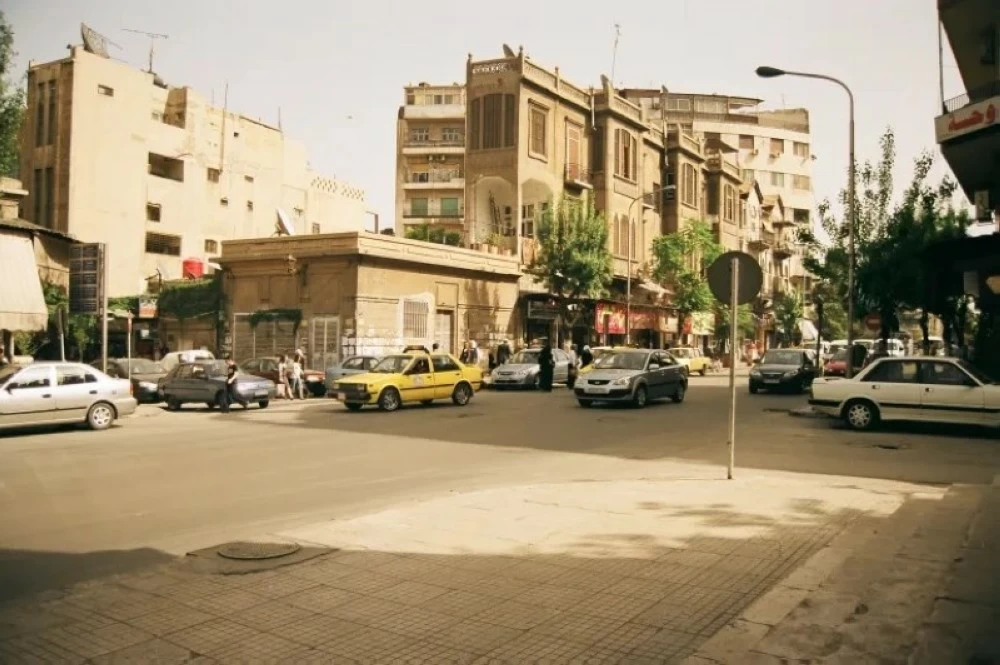
في قلب دمشق القديمة، ينبض حي القنوات بروح مدينة لا تنام، حيث يسري الماء كما يسري التاريخ في عروق الأزقة الحجرية، لتصبح كل شرفة، وكل نافورة، شاهدة على حكايات آلاف السنين. هذا الحي ليس مجرد مكان، بل تجربة حسية تمشي بين الماضي والحاضر، بين خرير النبع وهمس الحجارة.
يمتد حي القنوات على خاصرة دمشق القديمة، كوشاح من الحنين يربط الأزمنة ببعضها. وفيه يتعانق خرير المياه مع صوت الأذان، وتتناثر أشعة الشمس على الشرفات الخشبية القديمة، فتنعكس على الحجارة وكأنها أوراق كتبها الزمن بنفسه. وكأن كل زقاق بيت شعر، وكل نافورة لحن، وكل حجر يحكي قصة من ذاكرة المدينة.
ولد اسم «القنوات» من نبع بردى، حيث نسجت الأيادي البشرية شرايين خفية من الطين والحجر، توزع المياه على المساجد، والبيوت، والأسواق. لم يكن مجرد هندسة عمرانية، بل حكمة المدينة التي أدركت أن الحياة لا تكتمل بلا ماء، وأن الحجر الذي يسكنه الماء يصبح ذاكرة حية.
في الأزقة الضيقة تتلاقى أصوات الحياة: ضحكات الأطفال، ونداءات بائعي الخضار، وزقزقة العصافير فوق الأسلاك الكهربائية، لتكتمل سيمفونية حي نابض بروح دمشق الأصيلة. وتحتضن كل دار ساحة صغيرة فيها نافورة رخامية، تعكس الضوء والماء في رقصة أزلية، وتروي للأرض أن المدينة حيّة ما دام النهر يجري فيها.
تتوسط الحارات أسواق نابضة بالحياة، من الحميدية إلى مدحت باشا، حيث تصطف الحِرف الدمشقية: حرير مشغول، وتوابل تفوح، وخشب ونحاس منحوت بعناية، لتصبح كل زاوية احتفالًا بالتراث. وبين الأسواق والمدارس والزوايا، تتشكل شبكة الحياة، العلم والتجارة والعمل والروح في انسجام كامل، ليكون الحي مدرسة للثقافة وموئلًا للإبداع.
وحتى مع صعود الأبراج الحديثة وضغط التحولات العمرانية، لا يزال حي القنوات يحافظ على هويته. فبيوته العتيقة تتشابك كما تتشابك الأرواح، لتنبت الحياة في الشقوق الحجرية كما تنبت الأعشاب، ويظل الماء يجري، يروي الجذور ويحيي الذكريات.
واليوم، يشكل الحي تحديًا للذاكرة أمام التمدد العمراني: كيف يحافظ على أصالته وسط الحداثة؟ وكيف يستثمر التراث ليصبح منبعًا للإبداع؟ والإجابة تكمن في رؤية متوازنة تحترم الحجر والماء، وتحتضن الحداثة دون أن تطمس الروح، ليظل حي القنوات مكانا، حيث يمشي التاريخ على الماء، ويهمس للمارة: «ما دام الماء يجري، دمشق باقية».
In the heart of Old Damascus, the Al-Qanawat neighborhood pulses with the spirit of a city that never sleeps, where water flows as history courses through the veins of the stone alleys, making every balcony and every fountain a witness to tales of thousands of years. This neighborhood is not just a place, but a sensory experience walking between the past and the present, between the babbling spring and the whisper of stones.
The Al-Qanawat neighborhood stretches along the flank of Old Damascus, like a scarf of nostalgia connecting different times. Here, the sound of flowing water embraces the call to prayer, and rays of sunlight scatter across the old wooden balconies, reflecting on the stones as if they were pages written by time itself. It is as if every alley is a verse of poetry, every fountain a melody, and every stone tells a story from the city’s memory.
The name “Al-Qanawat” was born from the Barada spring, where human hands wove hidden arteries of clay and stone, distributing water to mosques, houses, and markets. It was not just an architectural design, but the wisdom of a city that realized that life is incomplete without water, and that the stone inhabited by water becomes a living memory.
In the narrow alleys, the sounds of life converge: the laughter of children, the calls of vegetable sellers, and the chirping of birds on electric wires, completing the symphony of a neighborhood pulsating with the authentic spirit of Damascus. Each house embraces a small courtyard with a marble fountain, reflecting light and water in an eternal dance, telling the earth that the city is alive as long as the river flows through it.
In the midst of the alleys lie vibrant markets, from Al-Hamidiyah to Medhat Pasha, where the crafts of Damascus line up: woven silk, fragrant spices, and carefully carved wood and brass, turning every corner into a celebration of heritage. Between the markets, schools, and corners, a network of life forms, where knowledge, trade, work, and spirit harmonize completely, making the neighborhood a school of culture and a haven for creativity.
Even with the rise of modern towers and the pressure of urban transformations, the Al-Qanawat neighborhood still maintains its identity. Its ancient houses intertwine like souls, allowing life to sprout in the stone cracks as herbs do, while the water continues to flow, nourishing the roots and reviving memories.
Today, the neighborhood poses a challenge to memory in the face of urban expansion: how does it preserve its authenticity amidst modernity? And how does it invest in heritage to become a source of creativity? The answer lies in a balanced vision that respects stone and water, embracing modernity without erasing the spirit, so that the Al-Qanawat neighborhood remains a place where history walks on water, whispering to passersby: “As long as the water flows, Damascus endures.”