



 حالة الطقس
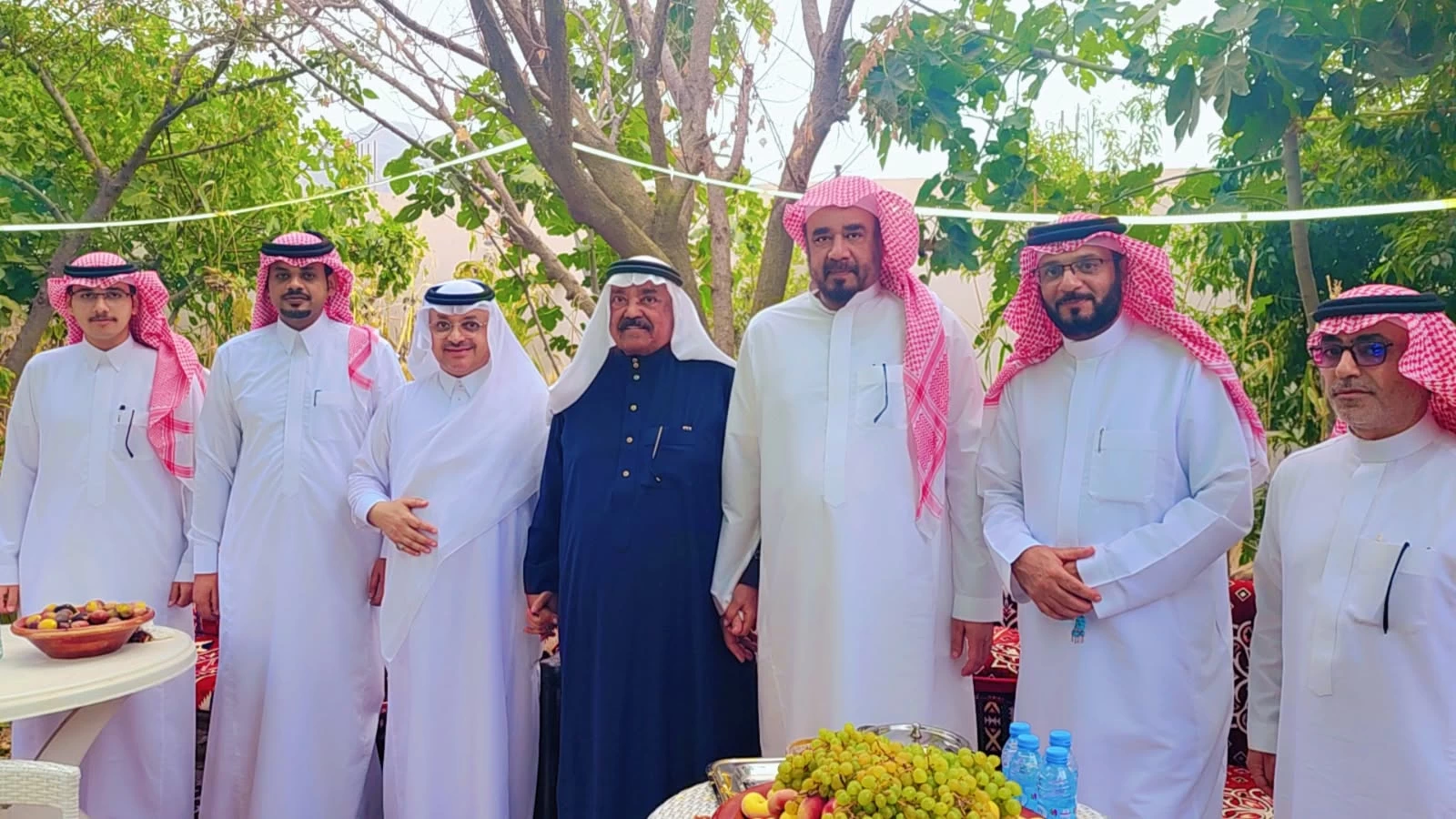
لم تبدأ رحلة عبدالله محمد المداني الغامدي، من أبواب الثراء والنجاح، بل من طفولة قاسية فرضت عليه مواجهة الحياة وتحمّل مسؤولياتها في عمر مبكر. فقد والدته وهو في الرابعة من عمره، وبعدها بعامين فقد والده (رحمهما الله)، ليعيش اليُتم في سنواته الأولى، في وقت لم يكن يملك كثيراً من الأشياء التي كان يملكها غيره من الأطفال.
يقول المداني: إن طفولته كانت مختلفة عن كثير من الأطفال، وإنه تعلّم من اليُتم الصبر وتحمّل المسؤولية والاعتماد على الله. ويؤكد أن اليُتم تجربة لا ينساها الإنسان مهما كبر ومهما تغيرت حياته، إذ يبقى في داخله ذلك الطفل اليتيم، وهو ما جعله يشعر كثيراً بكل طفل فقد والديه، مؤكداً أن اليُتم يمر على الطفل مهما حاول الآخرون الوقوف إلى جانبه.
ومن هذه الظروف القاسية بدأت رحلته العملية، إذ يقول إنه بدأ من الصفر، وعمل في مكة المكرمة في أعمال بسيطة جداً، وكان عاملاً في المنازل «مجاود». ولم تكن البداية سهلة، ولم يكن يفكر حينها في الوصول إلى ما وصل إليه لاحقاً، إذ كان كل همّه أن يعمل ويكسب رزقه بالحلال ويعتمد على نفسه.
ويستعيد المداني تلك المرحلة قائلاً: إنه كان يخشى أن يمد يده للآخرين، ولذلك اختار العمل والتعلم والبحث عن الفرص ومحاولة تطوير نفسه، وكان مؤمناً بأن الرزق بيد الله، وأن على الإنسان أن يسعى ويترك النتائج على الله.
وبمرور الوقت، أخذ الله بيده، كما يقول، وتنقل من عمل إلى آخر حتى دخل مجال التجارة والعقار، وبفضل الله وجد نفسه في أفضل حال. إلا أن تحسّن ظروفه المعيشية لم يبعده عن ذكريات طفولته، بل جعلها دافعاً لمساعدة الآخرين، خصوصاً الفئات المتعففة والأسر المحتاجة.
العيش في ظروف صعبة
ويؤكد أن اليُتم كان له أثر كبير في هذا الجانب من حياته، فعندما يرى امرأة متعففة أو أسرة محتاجة يتذكّر الماضي، ويتذكّر كيف يمكن للإنسان أن يعيش ظروفاً صعبة دون أن يستطيع طلب المساعدة من أحد. ومن هنا أصبح يسأل نفسه دائماً عن الطريقة التي يمكن من خلالها مساعدة المحتاجين بما يجعلهم يعتمدون على أنفسهم، بدلاً من تقديم مساعدة تنتهي بانتهاء الحاجة.
حفظ كرامة الآخرين
ومن هذا التفكير جاءت فكرة مساعدتهم في إنشاء مواقع لبيع منتجاتهم، بما يوفر لهم مصدر رزق يغنيهم عن سؤال الآخرين. ويقول: إن الأثر كان أكبر مما توقع، إذ لم تكن تلك المواقع مجرد أماكن لبيع المنتجات، بل أصبحت مصدر دخل يساعد الأسر على الاعتماد على نفسها ويحفظ كرامتها، وأسعده أن يرى أسراً كانت في حاجة إلى المساعدة أصبحت قادرة على العمل وبيع منتجاتها وكسب رزقها.
وامتد اهتمام المداني بالعمل الخيري إلى والديه وإخوته، إذ حرص على إقامة وقف في مزرعة والديه بقرية المدان في بلجرشي، وفاءً لهم واستمراراً للبر بهم بعد وفاتهم. ويقول: إن البر بالوالدين لا ينتهي بوفاتهما، موضحاً أن والدته ووالده رحلا منذ سنوات طويلة، لكنهما ما زالا حاضرَين في قلبه، ولذلك حرص على أن يكون لهما نصيب من هذا العمل.
وقسّم المزرعة إلى أربعة أقسام؛ قسم باسم والده، وقسم باسم والدته، وقسمين باسم شقيقه وشقيقته (رحمهم الله جميعاً). وأراد أن يكون المكان وقفاً ينتفع به الناس، وأن تصل ثماره إلى والديه وإخوته وأهله بالدعاء والأجر بإذن الله، معتبراً ذلك أقل ما يستطيع تقديمه لهم وفاءً ومحبةً وعرفاناً بما قدموه له في حياتهم.
وجعل المداني باب المزرعة مفتوحاً للجميع، ووفّر فيها الطعام والشراب، لتكون مكاناً ينتفع به الزوّار، إلى جانب ما يحمله الوقف من معنى البر والعطاء واستمرار الأثر.
أثر يبقى بعد الرحيل
ويرى المداني، أن الوقف من أعظم أبواب الخير؛ لأنه لا يقتصر أثره على وقت محدد، بل يمكن أن يستمر نفعه سنوات طويلة، ويكون للإنسان أجره ما دام الناس ينتفعون به بإذن الله. ويؤمن أن أجمل ما في الوقف أن يجعل الإنسان جزءاً مما رزقه الله به نفعاً مستمراً للآخرين، سواء للفقراء والمحتاجين أو في مجالات أخرى تخدم المجتمع.
كما يرى أن الوقف يتيح للإنسان أن يبر بوالديه بعد وفاتهما، وأن يجعل لهما عملاً ينتفعان بأجره بإذن الله، ولذلك يحرص على أن يكون ما يستطيع تقديمه من أعمال في باب الخير والوقف، وأن يستمر نفعه للناس، مؤكداً أن الأهم بالنسبة له هو أن يبقى الأثر حتى بعد رحيل الإنسان.
ويختصر المداني، جانباً من تجربته الإنسانية في كلمات تعكس أثر طفولته في شخصيته، قائلاً: «أنا عشت يتيماً وتذوقت مرارة اليُتم، وكل خطوة في حياتي كانت معركة صغيرة أخوضها وحدي، لكنني خرجت منها أقوى، أعرف قيمة العطف، وأقدّر معنى أن يكون الإنسان رحيماً».
Abdullah Muhammad Al-Madani Al-Ghamdi’s journey did not begin at the gates of wealth and success, but rather from a harsh childhood that forced him to face life and bear its responsibilities at an early age. He lost his mother when he was four years old, and two years later, he lost his father (may they both rest in peace), living in orphanhood during his early years, at a time when he did not possess many of the things that other children had.

Al-Madani says that his childhood was different from many children, and that he learned from orphanhood patience, responsibility, and reliance on God. He emphasizes that orphanhood is an experience that one never forgets, no matter how old they become or how much their life changes, as that orphaned child remains within them, which makes him deeply empathize with every child who has lost their parents, affirming that orphanhood affects a child regardless of how others try to support them.
From these harsh circumstances, his professional journey began. He states that he started from scratch and worked in Mecca in very simple jobs, being a worker in homes as a “Mujawid.” The beginning was not easy, and he did not think at that time about reaching what he later achieved; his only concern was to work, earn a lawful living, and rely on himself.
Al-Madani recalls that phase, saying that he was afraid to extend his hand to others, which is why he chose to work, learn, seek opportunities, and try to develop himself. He believed that sustenance is in God’s hands, and that a person must strive and leave the results to God.
Over time, as he says, God guided him, and he moved from one job to another until he entered the field of trade and real estate, and by God’s grace, he found himself in a better situation. However, the improvement in his living conditions did not distance him from the memories of his childhood; rather, it became a motivation for him to help others, especially the underprivileged and needy families.
Living in Difficult Conditions
He affirms that orphanhood had a significant impact on this aspect of his life. When he sees a needy woman or family, he remembers the past and how a person can live in difficult circumstances without being able to ask for help from anyone. From here, he began to constantly ask himself how he could help those in need in a way that would enable them to rely on themselves, rather than providing assistance that ends when the need is over.
Preserving the Dignity of Others
From this thinking came the idea of helping them establish websites to sell their products, providing them with a source of income that would free them from asking others. He says that the impact was greater than he expected, as these websites became not just places to sell products, but a source of income that helps families rely on themselves and preserves their dignity. He was delighted to see families that were in need of assistance become capable of working, selling their products, and earning their livelihood.
Al-Madani’s interest in charitable work extended to his parents and siblings, as he was keen to establish an endowment on his parents’ farm in the village of Al-Madan in Baljurashi, in honor of them and to continue being dutiful to them after their passing. He states that being dutiful to one’s parents does not end with their death, explaining that his mother and father passed away many years ago, but they are still present in his heart. Therefore, he was keen to ensure that they have a share in this work.
He divided the farm into four sections: one named after his father, one after his mother, and two named after his brother and sister (may they all rest in peace). He wanted the place to be an endowment that benefits people, and for its fruits to reach his parents, siblings, and relatives through prayers and rewards, considering this the least he could offer them in gratitude and love for what they provided him during their lives.
Al-Madani kept the farm’s gate open to everyone and provided food and drink there, making it a place for visitors to benefit, alongside what the endowment represents in terms of kindness, giving, and lasting impact.
A Lasting Impact After Departure
Al-Madani believes that endowment is one of the greatest doors to goodness; because its impact is not limited to a specific time, but can continue to benefit for many years, and a person receives their reward as long as people benefit from it, God willing. He believes that the most beautiful aspect of endowment is that it allows a person to be part of what God has provided them, benefiting others continuously, whether for the poor and needy or in other areas that serve the community.
He also sees that endowment allows a person to be dutiful to their parents after their death and to create a work that they can benefit from its reward, God willing. Therefore, he is keen to ensure that what he can offer in the realm of goodness and endowment continues to benefit people, affirming that what is most important to him is that the impact remains even after a person has departed.
Al-Madani summarizes a part of his human experience in words that reflect the impact of his childhood on his character, saying: “I lived as an orphan and tasted the bitterness of orphanhood, and every step in my life was a small battle I fought alone, but I emerged from it stronger, knowing the value of compassion and appreciating the meaning of being merciful.”