





 حالة الطقس
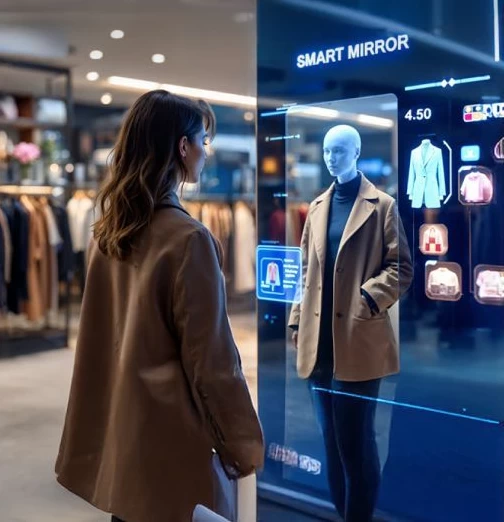
يشهد عالم الأزياء تحولاً متسارعاً مع دخول تقنيات الذكاء الاصطناعي إلى تجربة التسوق، خصوصاً عبر ما يُعرف بتجارب القياس الافتراضي، التي تسمح للمستخدمين برؤية الملابس على أجسامهم رقمياً قبل الشراء. وتعتمد هذه التقنية على تحليل أبعاد الجسم، وحركة القماش، والإضاءة، لإنتاج صورة واقعية تحاكي تجربة غرف القياس التقليدية بشكل رقمي.
وأصبحت هذه التقنيات عنصراً أساسياً في مستقبل التجارة الإلكترونية للأزياء، بعدما ساهمت في تقليل نسبة إرجاع الطلبات وزيادة ثقة المستهلك أثناء التسوق عبر الإنترنت. كما أتاحت للعلامات التجارية تقديم تجربة أكثر تفاعلية وشخصية، خصوصاً مع تطور أدوات التخصيص وتوصيات المقاسات الذكية.
وتعتمد أنظمة القياس الافتراضي الحديثة على تقنيات الرؤية الحاسوبية والنماذج التوليدية، التي تستطيع إعادة رسم الملابس بشكل واقعي على صورة المستخدم، مع مراعاة شكل الجسم ووضعية الوقوف وتفاصيل الخامات. وقد بدأت هذه التكنولوجيا بالتطور منذ مشاريع بحثية مبكرة مثل VITON، وصولاً إلى أنظمة أكثر تطوراً تعتمد على النماذج متعددة الوسائط والذكاء الاصطناعي التفاعلي.
The fashion world is witnessing a rapid transformation with the introduction of artificial intelligence technologies into the shopping experience, especially through what is known as virtual fitting experiences, which allow users to see clothes on their bodies digitally before making a purchase. This technology relies on analyzing body dimensions, fabric movement, and lighting to produce a realistic image that mimics the experience of traditional fitting rooms in a digital format.
These technologies have become an essential element in the future of e-commerce in fashion, as they have contributed to reducing the rate of order returns and increasing consumer confidence while shopping online. They have also enabled brands to offer a more interactive and personalized experience, especially with the development of customization tools and smart size recommendations.
Modern virtual fitting systems rely on computer vision technologies and generative models, which can realistically redraw clothing on the user’s image, taking into account body shape, standing posture, and fabric details. This technology has been evolving since early research projects like VITON, leading to more advanced systems that rely on multimodal models and interactive artificial intelligence.