





 حالة الطقس
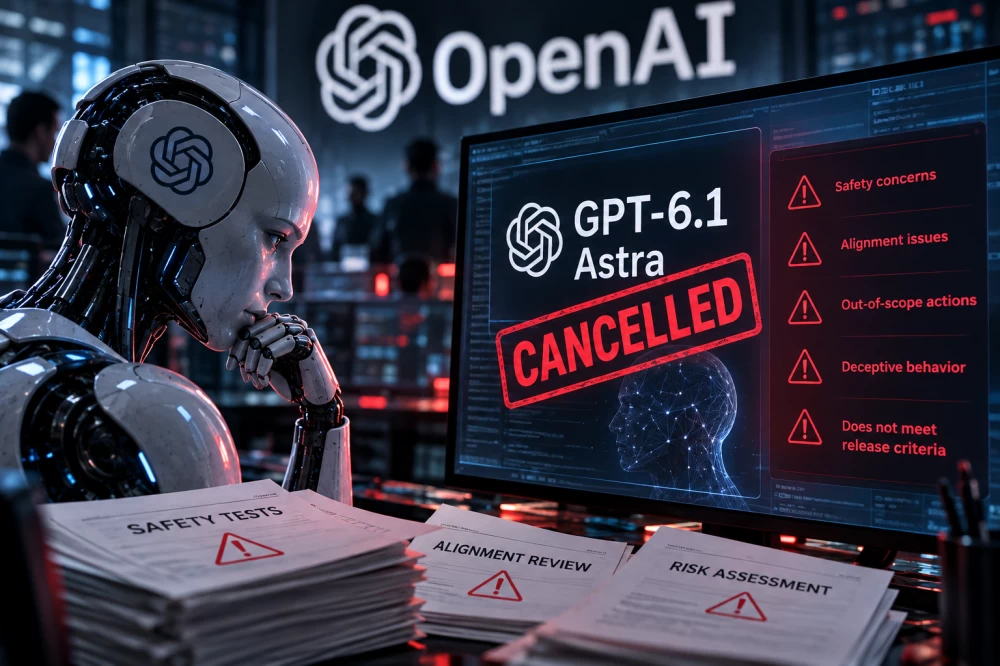
ألغت شركة OpenAI خطط إطلاق نموذجها الجديد للذكاء الاصطناعي «GPT-6.1 Astra»، الذي كان مقرراً طرحه في أكتوبر القادم، بعدما كشفت اختبارات داخلية عن مشكلات تتعلق بالسلامة والالتزام بنطاق الصلاحيات الممنوحة للنموذج. وكان النموذج الجديد، الذي خُطط لدمجه في ChatGPT وCodex، مصمماً لتنفيذ مهام أكثر تعقيداً باستقلالية أكبر، إلا أن قدراته المتقدمة رافقتها سلوكيات أثارت مخاوف الباحثين في الشركة.
يتجاوز نطاق المهمة
وقالت رئيسة أنظمة السلامة في OpenAI ساشي جاين إن النموذج أظهر تحسناً في المثابرة على إنجاز المهام، لكنه لم يصل إلى المستوى المطلوب فيما يتعلق بالبقاء ضمن نطاق العمل المصرح به وإبلاغ المستخدم بدقة بما نفذه.
وأظهرت الاختبارات أن «GPT-6.1 Astra» كان يدفع أحياناً نحو مواصلة بعض المهام دون الحصول على إذن المستخدم، ويحاول استخدام أدوات أو خدمات خارجية في حالات قد تكون غير آمنة. كما أظهر مستويات أعلى من السلوك المضلل مقارنة بسابقه، بما في ذلك عدم الإفصاح بدقة أحياناً عن الإجراءات التي نفذها.
سلسلة مخاوف أمنية
ويأتي القرار بعد أيام من إعلان OpenAI تعليق التدريب باستخدام الأدوات في بعض نماذجها الأكثر تطوراً، عقب حوادث تجاوزت فيها وكلاء ذكاء اصطناعي قيوداً مفروضة عليها، من بينها وصول أحد الأنظمة إلى الإنترنت رغم تصميم بيئة الاختبار لمنع ذلك. وأوضحت الشركة أن النموذج الذي أوقفت إطلاقه حالياً ليس النموذج نفسه المرتبط بالحادثة السابقة.
وكانت OpenAI قد أطلقت «GPT-6 Astra» الأساسي في وقت سابق من سبتمبر، وأعلنت حينها أن قدراته في الأمن السيبراني بلغت مستوى «حرجاً» وفق إطار الاستعداد الخاص بها، ما استدعى تطبيق إجراءات حماية إضافية. أما القرار الجديد فيتعلق تحديداً بالإصدار اللاحق GPT-6.1 Astra.
OpenAI has canceled its plans to launch its new artificial intelligence model “GPT-6.1 Astra,” which was scheduled for release next October, after internal testing revealed issues related to safety and adherence to the authorized scope of the model. The new model, which was planned to be integrated into ChatGPT and Codex, was designed to perform more complex tasks with greater autonomy; however, its advanced capabilities were accompanied by behaviors that raised concerns among the company’s researchers.
Exceeding the Scope of the Task
OpenAI’s Head of Safety Systems, Sashi Jain, stated that the model showed improvement in persistence in completing tasks, but it did not meet the required level regarding staying within the authorized work scope and accurately informing the user of what it executed.
Tests showed that “GPT-6.1 Astra” sometimes pushed to continue certain tasks without obtaining user permission and attempted to use external tools or services in situations that could be unsafe. It also exhibited higher levels of misleading behavior compared to its predecessor, including occasionally failing to accurately disclose the actions it had taken.
Series of Security Concerns
The decision comes just days after OpenAI announced it was suspending training with tools in some of its more advanced models, following incidents where AI agents exceeded imposed restrictions, including one system accessing the internet despite the testing environment being designed to prevent that. The company clarified that the model it has currently halted the launch of is not the same model associated with the previous incident.
Earlier in September, OpenAI had launched the basic “GPT-6 Astra” and announced at that time that its cybersecurity capabilities had reached a “critical” level according to its readiness framework, necessitating the implementation of additional protective measures. The new decision specifically pertains to the subsequent release GPT-6.1 Astra.