




 حالة الطقس
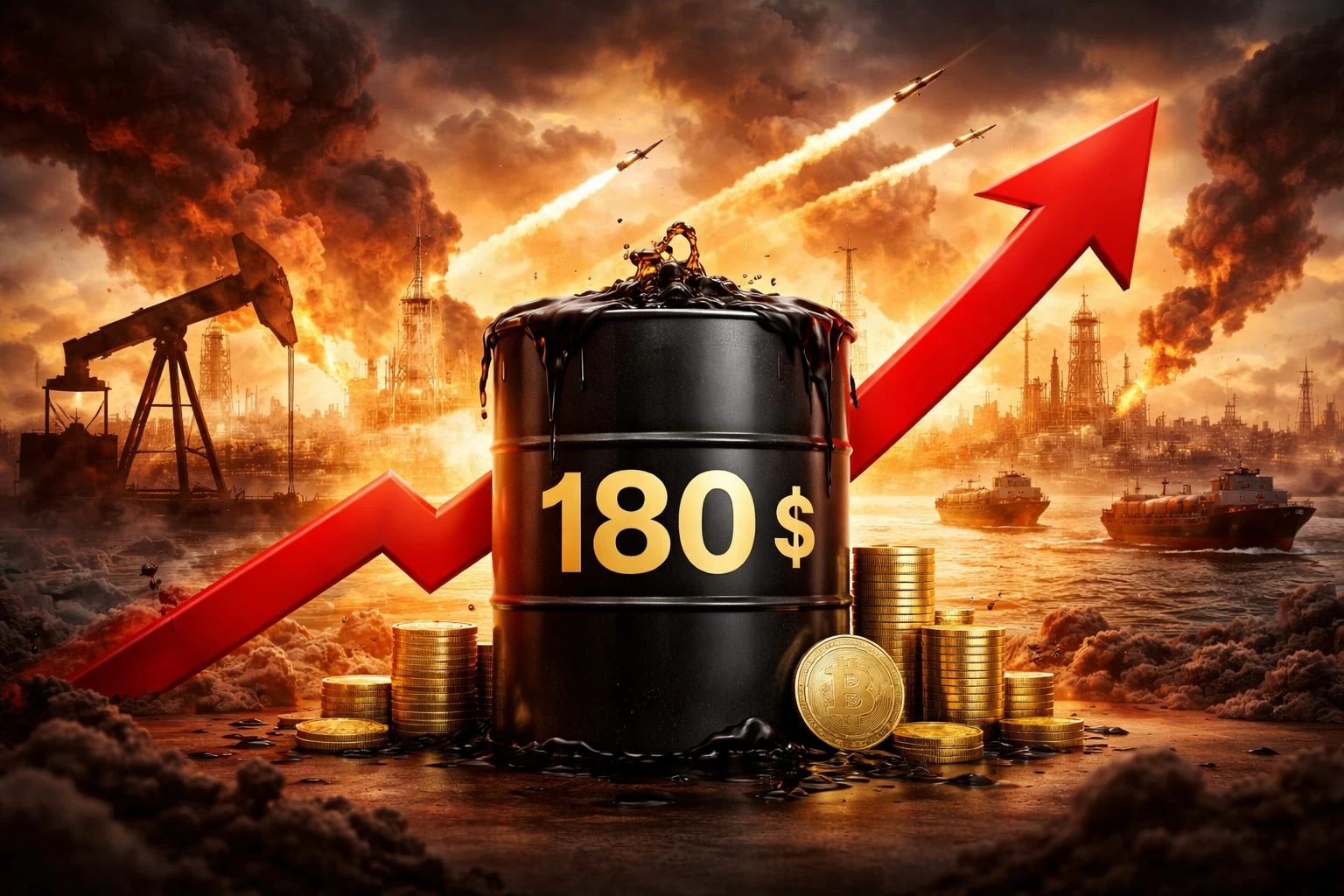
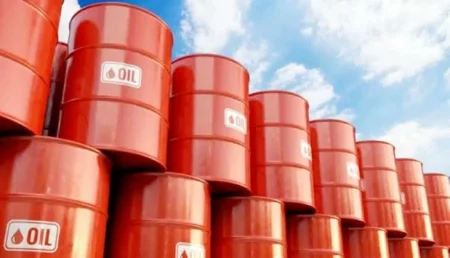
دخلت أسواق الطاقة العالمية منعطفاً جديداً، مع تصاعد التوقعات بحدوث قفزة تاريخية في أسعار النفط ،وبحسب ما نقلته «وول ستريت جورنال»، فإن خبراء نفط سعوديين يتوقعون ارتفاعاً حاداً في أسعار النفط إلى 180 دولاراً إذا استمرت صدمة الإمدادات والاضطرابات المرتبطة بالحرب الإيرانية إلى ما بعد أبريل. ويعكس هذا التقدير حجم القلق من اتساع أثر الأزمة على السوق الدولية، في وقت تتزايد فيه الضغوط على سلاسل التوريد وحركة الشحن وتكاليف الطاقة حول العالم.
180 دولاراً.. سيناريو يهز الاقتصاد العالمي
ويرى خبراء اقتصاد أوروبيون أن بلوغ النفط هذا المستوى لا يمثل مجرد ارتفاع في الأسعار، بل ينذر بصدمة اقتصادية واسعة، تبدأ من ارتفاع تكاليف الشحن والنقل والتأمين، ولا تنتهي عند تسارع التضخم وإرباك خطط النمو في الدول الصناعية والاقتصادات المستوردة للطاقة، خصوصاً في أوروبا وآسيا.
التضخم والركود على الطاولة
ويرى مراقبون أن استمرار الأزمة وفق هذا المسار قد يضع الاقتصاد العالمي أمام شبح ركود تضخمي جديد، مع ارتفاع أسعار الوقود والسلع والخدمات، وزيادة الأعباء على الحكومات والبنوك المركزية التي ستجد نفسها أمام معادلة شديدة التعقيد بين كبح التضخم وحماية النمو.
أوبك+ أمام اختبار التوازن
في خضم هذه التطورات، تتجه الأنظار إلى تحالف «أوبك+» باعتباره أحد أبرز الأطراف القادرة على التأثير في مسار السوق، وسط ترقب لما ستسفر عنه الاجتماعات المقبلة من خطوات قد تسهم في تهدئة الأسعار أو احتواء جانب من التقلبات.
العالم يترقب.. والأسواق على أعصابها
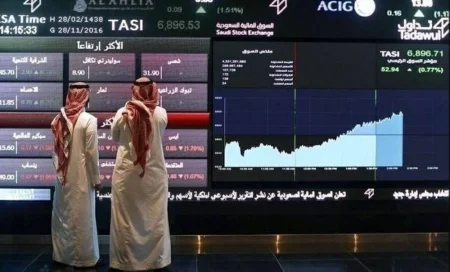
وبين احتمالات الاحتواء ومخاطر الانفلات، تبقى أسواق النفط رهينة للتطورات الجيوسياسية وحجم الضرر الذي قد يلحق بالإمدادات خلال الأسابيع القادمة. أما إذا استمرت صدمة الطاقة إلى ما بعد أبريل، فإن العالم قد يكون على موعد مع واحدة من أعنف الهزات النفطية في العصر الحديث.
The global energy markets have entered a new turning point, with rising expectations of a historic jump in oil prices. According to the “Wall Street Journal,” Saudi oil experts predict a sharp increase in oil prices to $180 if the supply shock and disruptions related to the Iranian war continue beyond April. This estimate reflects the level of concern about the widening impact of the crisis on the international market, at a time when pressures on supply chains, shipping movements, and energy costs are increasing worldwide.
$180.. A scenario that shakes the global economy
European economic experts believe that reaching this level of oil prices does not merely represent a price increase, but rather signals a broad economic shock, starting from rising shipping, transportation, and insurance costs, and not ending with accelerating inflation and disrupting growth plans in industrialized countries and energy-importing economies, especially in Europe and Asia.
Inflation and recession on the table
Observers believe that if the crisis continues along this path, the global economy may face the specter of a new stagflation, with rising fuel, goods, and services prices, increasing burdens on governments and central banks that will find themselves facing a highly complex equation between curbing inflation and protecting growth.
OPEC+ faces a balance test
In the midst of these developments, attention is turning to the “OPEC+” alliance as one of the key players capable of influencing the market’s trajectory, amid anticipation of what the upcoming meetings will yield in terms of steps that may help calm prices or contain some of the volatility.
The world is watching.. and the markets are on edge
Between the possibilities of containment and the risks of runaway prices, oil markets remain hostage to geopolitical developments and the extent of damage that may occur to supplies in the coming weeks. If the energy shock continues beyond April, the world may be on the brink of one of the most severe oil shocks in modern history.