




 حالة الطقس
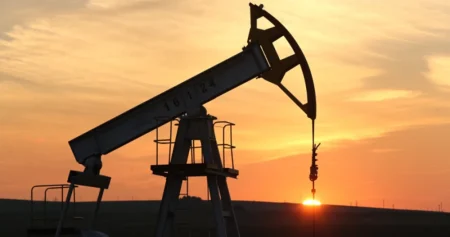
كشف بنك مورغان ستانلي أن استمرار إغلاق مضيق هرمز حتى شهر يونيو القادم سيضغط على هوامش الأمان التي تكبح الارتفاعات القياسية لأسعار النفط.
وأشار البنك إلى أن الأسعار قد تراوح بين 130 و150 دولاراً للبرميل بعد يوليو القادم.
سيناريو أساسي
ويتمثل السيناريو الأساسي لمورغان ستانلي في إعادة فتح هرمز قبل أن تضطر الولايات المتحدة إلى تقليص صادراتها وعودة ارتفاع واردات الصين، وهو ما سيدفع الأسعار إلى 110 دولارات للبرميل خلال الربع الثاني من هذا العام، و100 دولار في الربع الثالث، و90 دولاراً الربع الأخير، مع بقاء التوقعات دون تغيير.
أما إذا امتد الإغلاق إلى أواخر يونيو أو حتى يوليو القادمين فقد تصل الأسعار إلى ما بين 130 و150 دولاراً.
توقعات الأسواق
وتشير التوقعات إلى أن أسواق النفط ستفقد مليار برميل أخرى حتى نهاية 2026، حتى لو أعيد فتح مضيق هرمز مباشرة بسبب الوقت الذي تحتاجه الحقول لإعادة التشغيل، وإصلاح المصافي، ووصول ناقلات النفط إلى وجهاتها.
يأتي ذلك فيما رفعت وكالة «فيتش» توقعاتها لأسعار النفط والغاز خلال عامي 2026 و2027، في ظل استمرار تداعيات الحرب مع إيران وتعطل الملاحة في مضيق هرمز لفترة أطول من المتوقع.
وأوضحت الوكالة أن تقديراتها الجديدة تستند إلى افتراض استمرار الإغلاق الفعلي لمضيق هرمز حتى شهر يوليو القادم.
وتوقعت الوكالة أن تراوح أسعار خام برنت بين 100 و110 دولارات للبرميل خلال الفترة من مايو إلى يوليو، قبل أن تتراجع إلى نحو 70 دولاراً بحلول سبتمبر مع عودة الإمدادات تدريجياً واستقرار الأسواق.
Morgan Stanley’s report revealed that the continued closure of the Strait of Hormuz until next June will pressure the safety margins that curb the record highs of oil prices.
The bank indicated that prices could range between $130 and $150 per barrel after next July.
Base Scenario
Morgan Stanley’s base scenario involves the reopening of Hormuz before the United States has to reduce its exports and the return of rising imports from China, which would push prices to $110 per barrel during the second quarter of this year, $100 in the third quarter, and $90 in the last quarter, with expectations remaining unchanged.
However, if the closure extends to late June or even July, prices could reach between $130 and $150.
Market Expectations
Expectations indicate that oil markets will lose another billion barrels by the end of 2026, even if the Strait of Hormuz is reopened immediately due to the time needed for fields to restart, refineries to be repaired, and oil tankers to reach their destinations.
This comes as Fitch Ratings raised its forecasts for oil and gas prices for 2026 and 2027, amid the ongoing repercussions of the war with Iran and disruptions in navigation in the Strait of Hormuz lasting longer than expected.
The agency clarified that its new estimates are based on the assumption that the actual closure of the Strait of Hormuz will continue until next July.
Fitch predicted that Brent crude prices would range between $100 and $110 per barrel from May to July, before declining to around $70 by September as supplies gradually return and markets stabilize.