



 حالة الطقس
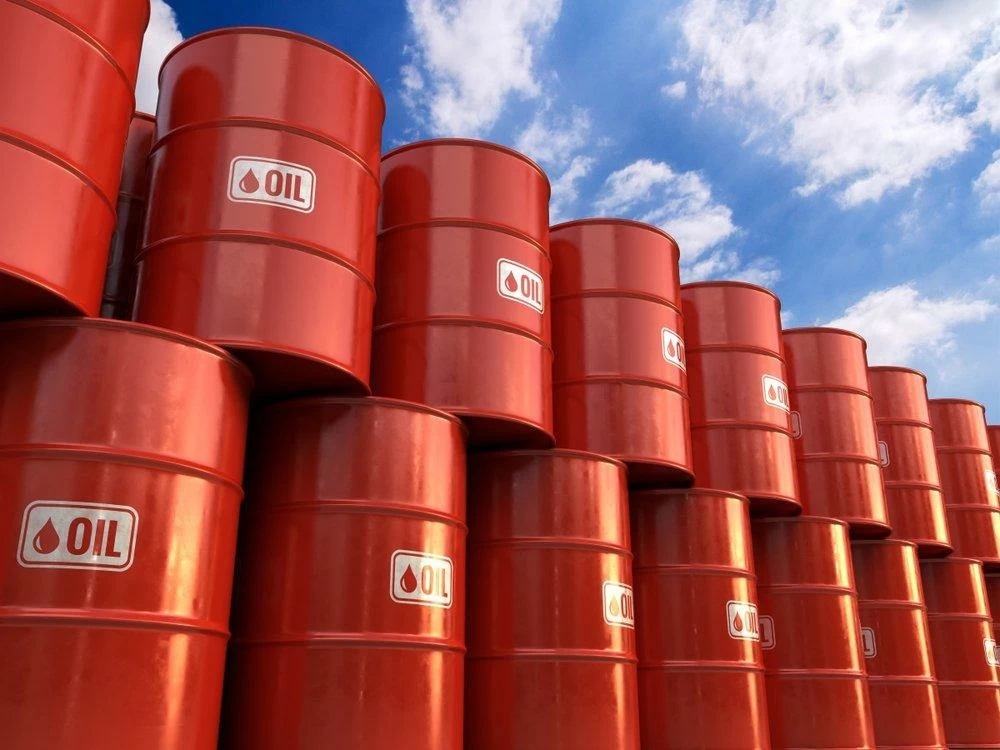
تراجعت أسعار النفط عند التسوية، في آخر تداولات لها، لكنها حافظت على مسارها نحو تحقيق مكاسب أسبوعية قوية، بعدما دعمت التوترات الجيوسياسية في الشرق الأوسط الأسعار على مدار الأسبوع، قبل أن تتعرض لضغوط، عقب تقرير أفاد بأن الصين بدأت جهوداً لاستئناف محادثات السلام المتوقفة بين أمريكا وإيران.
تراجع الملاحة
وارتفع خاما «برنت» و«غرب تكساس» الوسيط على مدار الأسبوع مع تبادل أمريكا وإيران الضربات الصاروخية، وتراجع حركة الملاحة عبر مضيق هرمز، إلى جانب هجمات الحوثيين في اليمن على سفن في البحر الأحمر.
وانخفضت العقود الآجلة لخام «برنت» عند التسوية بمقدار 3.91 دولار، أو 3.88%، إلى 96.78 دولار للبرميل، بعد أن تجاوزت مستوى 100 دولار خلال الجلسة السابقة للمرة الأولى منذ مايو الماضي إلا أنها حققت مكاسب أسبوعية تقارب 10%.
تسوية سياسية
وقال محلل أسواق النفط جون كيلدوف: «أي مؤشرات على إمكانية التوصل إلى تسوية سياسية تلقى ترحيباً سريعاً في أسواق النفط».
وأضاف: «المستثمرون لا يرغبون في افتراض استمرار التصعيد دون أفق للحل».
وجاء التراجع بعد أن ذكرت مصادر أن الصين أطلقت تحركاً لاستئناف محادثات السلام بين أمريكا وإيران، في وقت توعد الرئيس الأمريكي دونالد ترمب إيران والحوثيين بـ«عقاب عسكري قاسٍ» عقب الهجمات التي استهدفت ناقلات نفط في البحر الأحمر.
Oil prices fell at settlement in their latest trades, but they maintained their trajectory towards achieving strong weekly gains, after geopolitical tensions in the Middle East supported prices throughout the week, before coming under pressure following a report that China had begun efforts to resume stalled peace talks between the U.S. and Iran.
Shipping Decline
Brent and West Texas Intermediate crude rose throughout the week as the U.S. and Iran exchanged missile strikes, and shipping traffic through the Strait of Hormuz declined, alongside Houthi attacks in Yemen on ships in the Red Sea.
Brent crude futures fell at settlement by $3.91, or 3.88%, to $96.78 per barrel, after exceeding the $100 mark during the previous session for the first time since May, but it achieved weekly gains of nearly 10%.
Political Settlement
Oil market analyst John Kilduff stated: “Any signs of a potential political settlement are welcomed quickly in the oil markets.”
He added: “Investors do not want to assume that escalation will continue without a prospect for resolution.”
The decline came after sources reported that China had initiated a move to resume peace talks between the U.S. and Iran, at a time when U.S. President Donald Trump threatened Iran and the Houthis with “severe military punishment” following attacks targeting oil tankers in the Red Sea.