


 حالة الطقس
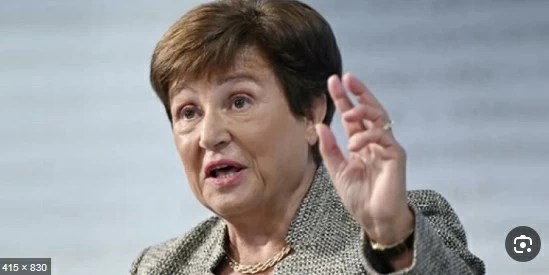
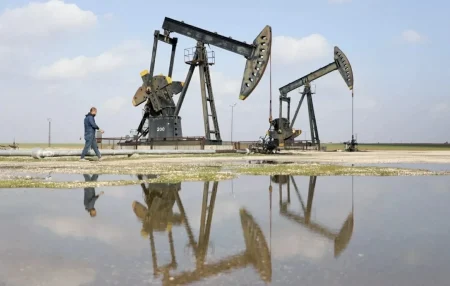
حذرت المديرة العامة لصندوق النقد الدولي كريستالينا غورغيفا من أن التضخم بدأ بالفعل في الارتفاع وأن الاقتصاد العالمي ربما يواجه «نتائج أسوأ بكثير» إذا امتدت الحرب في الشرق الأوسط إلى عام 2027 وبلغت أسعار النفط نحو 125 دولاراً للبرميل.
ضغوط تضخمية
وقالت غورغيفا في مؤتمر استضافه معهد ميلكن:«إن استمرار الحرب يعني أن السيناريو الأساسي الذي وضعه الصندوق ويفترض صراعاً قصير الأمد لم يعد ممكناً». ويتوقع هذا السيناريو كذلك تباطؤاً طفيفاً في النمو إلى 3.1% وارتفاعاً محدوداً في الأسعار إلى 4.4%.
وأضافت غورغيفا: «يتضاءل هذا الاحتمال يوما بعد يوم». وأفادت بأن استمرار الحرب وتوقعات بوصول أسعار النفط إلى نطاق 100 دولار أو أكثر للبرميل وتزايد الضغوط التضخمية، كلها عوامل تعني أن السيناريو السلبي لصندوق النقد تحقق بالفعل.
3 سيناريوهات
وأوضحت أن توقعات التضخم على المدى الطويل لا تزال مستقرة وأن الأوضاع المالية لم تشهد تقييداً، مؤكدة في الوقت نفسه أن هذا قد يتغير إذا استمرت الحرب.
وأضافت: «إذا استمر هذا الوضع حتى 2027 ووصلت أسعار النفط إلى نحو 125 دولاراً، فعلينا أن نتوقع نتيجة أسوأ بكثير. حينها سنشهد ارتفاعا في التضخم».
وكان صندوق النقد أصدر الشهر الماضي ثلاثة سيناريوهات لمسار نمو الناتج المحلي الإجمالي العالمي في عامي 2026 و2027 وسط حالة من عدم اليقين الشديد بسبب الحرب في الشرق الأوسط، وهي التوقعات الأساسية، والسيناريو السلبي، والسيناريو الحاد الأكثر سوءاً.
ويتوقع السيناريو السلبي تباطؤ النمو العالمي إلى 2.5% في 2026 ومعدل تضخم 5.4%. أما السيناريو الحاد الأكثر قتامة فيتوقع نمواً 2% فقط ومعدل تضخم 5.8%.
The Managing Director of the International Monetary Fund, Kristalina Georgieva, warned that inflation has already begun to rise and that the global economy may face “much worse outcomes” if the war in the Middle East extends to 2027 and oil prices reach around $125 per barrel.
Inflationary Pressures
Georgieva stated at a conference hosted by the Milken Institute: “The continuation of the war means that the baseline scenario set by the Fund, which assumes a short-term conflict, is no longer feasible.” This scenario also anticipates a slight slowdown in growth to 3.1% and a limited rise in prices to 4.4%.
She added: “This possibility diminishes day by day.” She reported that the continuation of the war, expectations of oil prices reaching the $100 range or more per barrel, and increasing inflationary pressures all mean that the IMF’s negative scenario has indeed materialized.
3 Scenarios
She clarified that long-term inflation expectations remain stable and that financial conditions have not tightened, while also emphasizing that this could change if the war continues.
She added: “If this situation persists until 2027 and oil prices reach around $125, we should expect a much worse outcome. At that point, we will see inflation rise.”
Last month, the IMF released three scenarios for the trajectory of global GDP growth in 2026 and 2027 amid a high degree of uncertainty due to the war in the Middle East: the baseline forecast, the negative scenario, and the more severe adverse scenario.
The negative scenario anticipates a slowdown in global growth to 2.5% in 2026 and an inflation rate of 5.4%. Meanwhile, the more severe adverse scenario predicts only 2% growth and an inflation rate of 5.8%.