


 حالة الطقس

كشف تقرير حديث أن سوق العقارات في المملكة العربية السعودية نجحت في التعامل بقوة مع تباطؤ النشاط الناتج عن حالة عدم اليقين الجيوسياسي والاقتصادي في المنطقة، بدعم حكومي قوي من مبادرات رؤية 2030 والتنويع الاقتصادي. وسجل قطاع الضيافة معدل إشغال بلغت نسبته 66.3% على مستوى المملكة، مع ارتفاع متوسط الأسعار اليومية بنسبة 3% ليصل إلى 805.5 ريال سعودي بدعم من رحلات العمرة والسفر الداخلي، وفقا لـ«جيه إل إل».
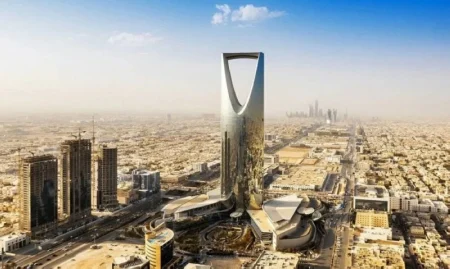
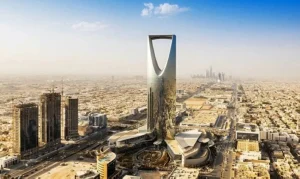
وأظهر قطاع المساحات المكتبية مرونة واضحة؛ إذ حافظ قطاع المساحات المكتبية الفاخرة في الرياض على أداء استثنائي بلغت فيه نسبة الشواغر حوالى 3.2% في جميع الفئات، مدفوعاً بارتفاع إيجارات مركز الملك عبدالله المالي بنسبة 5.5%، بينما بلغت نسبة الشواغر في المساحات المكتبية من الفئة (أ) في جدة 6%، وشهدت حاضرة الدمام تحسناً في معدلات الشواغر من الفئتين (أ) و(ب) لتصل إلى 21.4% و17.3% على الترتيب.
وفي قطاع منافذ التجزئة، ارتفع مخزون السوق في الرياض إلى 4.7 مليون متر مربع مع استقرار معدل الشواغر في مراكز التسوق الإقليمية الكبرى عند 2.1%، بينما استقر المخزون في جدة عند 2.69 مليون متر مربع محققاً نمواً إيجارياً بنسبة 13% في مراكز التسوق الإقليمية الكبرى الرئيسية.
ورغم مواجهة قطاع الوحدات السكنية انكماشاً حاداً في نشاط المعاملات بنسبة 54.4% في الرياض و51.8% في جدة، إلّا أن أسعار الشقق والفلل في جدة ارتفعت بنسبة 4% و3.8%. وأخيراً، واصل قطاع العقارات الصناعية واللوجستية زخمه التصاعدي متجاوزاً معدلات إشغال بنسبة 90% في الرياض وجدة، وسط نمو الطلب على الأصول عالية الجودة لأغراض التجارة الإلكترونية، وتحسين سلاسل التوريد، والزيادة في أعداد مزودي الخدمات اللوجستية الخارجيين.
A recent report revealed that the real estate market in the Kingdom of Saudi Arabia has successfully managed to cope with the slowdown in activity resulting from geopolitical and economic uncertainty in the region, supported by strong government initiatives from Vision 2030 and economic diversification. The hospitality sector recorded an occupancy rate of 66.3% across the Kingdom, with an increase in average daily rates by 3% to reach 805.5 Saudi Riyals, supported by Umrah trips and domestic travel, according to JLL.
The office space sector showed clear resilience; the luxury office space sector in Riyadh maintained exceptional performance with a vacancy rate of about 3.2% across all categories, driven by a 5.5% increase in rents at the King Abdullah Financial District, while the vacancy rate for Class A office spaces in Jeddah reached 6%. The Dammam region saw an improvement in vacancy rates for both Class A and B, reaching 21.4% and 17.3% respectively.
In the retail sector, market inventory in Riyadh rose to 4.7 million square meters, with the vacancy rate in major regional shopping centers stabilizing at 2.1%. Meanwhile, inventory in Jeddah remained at 2.69 million square meters, achieving a rental growth of 13% in major regional shopping centers.
Despite the residential units sector facing a sharp contraction in transaction activity of 54.4% in Riyadh and 51.8% in Jeddah, apartment and villa prices in Jeddah increased by 4% and 3.8% respectively. Finally, the industrial and logistics real estate sector continued its upward momentum, surpassing occupancy rates of 90% in Riyadh and Jeddah, amid growing demand for high-quality assets for e-commerce purposes, improving supply chains, and an increase in the number of external logistics service providers.