









ذكرت مجموعة غولدمان ساكس أن صادرات النفط من منطقة الخليج العربي تعافت إلى نحو ثلثي مستوياتها التي كانت عليها قبل اندلاع الحرب، ما ساهم في الحد من تأثير الصراع الإيراني على أسعار النفط العالمية.
زيادة حركة العبور
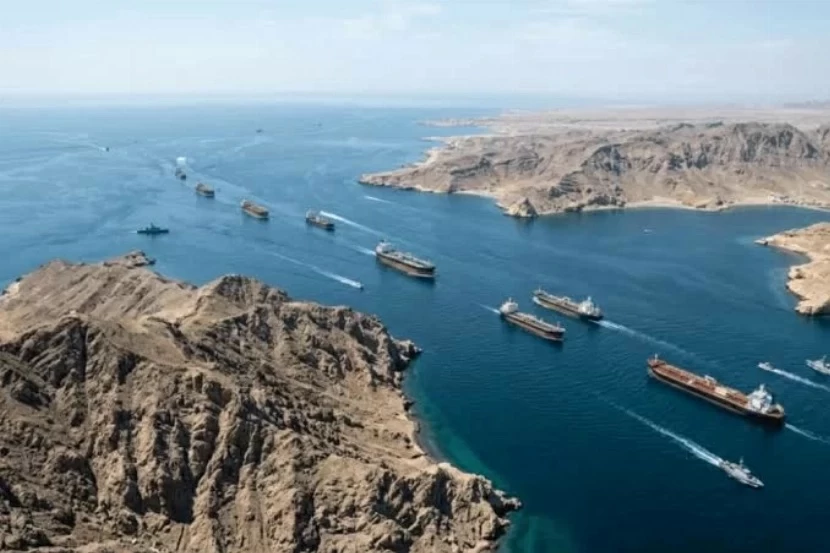
وأوضح محللو البنك، في مذكرة بحثية، أن إجمالي صادرات النفط الخام والمنتجات النفطية من المنطقة ارتفع إلى ما بين 15 و16 مليون برميل يومياً، بدعم من زيادة حركة العبور عبر مضيق هرمز. ورغم ذلك، لا تزال الصادرات أقل بنحو 7 إلى 8 ملايين برميل يومياً مقارنة بمستويات ما قبل النزاع، لكنها تحسنت بشكل ملحوظ من القاع الذي سجلته في مارس الماضي عند 5 إلى 6 ملايين برميل يومياً.
وأشار المحللون إلى أن كميات النفط العابرة عبر مضيق هرمز وحده تقترب على الأرجح من تقديرات المسؤولين الأمريكيين البالغة 8 إلى 10 ملايين برميل يومياً، وفقاً لما نقلته «بلومبرغ» عن مصادر، واطلعت عليه «العربية Business».
التكيف مع الضغوط الصعودية
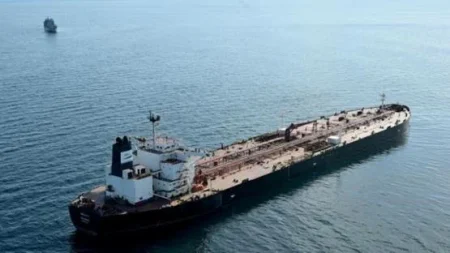
وبين غولدمان ساكس أن زيادة عمليات العبور غير المعلنة للسفن المتخصصة، إلى جانب ارتفاع عمليات نقل الشحنات من سفينة إلى أخرى، تعكس قدرة المنتجين وشركات الشحن على التكيف مع الاضطرابات في الشرق الأوسط.
ولفت البنك إلى أن ارتفاع هذه التدفقات قد يحد من الضغوط الصعودية على أسعار النفط الخام حتى في حال استمرار الاضطرابات لفترة أطول.
وأوضح غولدمان ساكس أن تدفقات الغاز الطبيعي المسال والمنتجات النفطية المكررة لا تزال دون مستوياتها المعتادة، لافتا إلى أن البنك يرى فرصاً أكبر لارتفاع أسعار الغاز الطبيعي في أوروبا وأسعار المنتجات النفطية الآجلة مقارنة بأسعار النفط الخام في حال استمرار تعطل الإمدادات لفترات طويلة.
Goldman Sachs reported that oil exports from the Arabian Gulf region have recovered to about two-thirds of their levels before the outbreak of the war, which has helped mitigate the impact of the Iranian conflict on global oil prices.
Increase in Transit Activity
Analysts at the bank explained in a research note that total crude oil and petroleum product exports from the region have risen to between 15 and 16 million barrels per day, supported by an increase in transit activity through the Strait of Hormuz. However, exports are still about 7 to 8 million barrels per day lower compared to pre-conflict levels, although they have significantly improved from the low recorded in March of 5 to 6 million barrels per day.
The analysts noted that the quantities of oil transiting through the Strait of Hormuz alone are likely approaching estimates from U.S. officials of 8 to 10 million barrels per day, according to what Bloomberg reported from sources, which was reviewed by Al Arabiya Business.
Adapting to Upward Pressures
Goldman Sachs indicated that the increase in unreported transit operations of specialized vessels, along with the rise in cargo transfers from one ship to another, reflects the ability of producers and shipping companies to adapt to disruptions in the Middle East.
The bank pointed out that the rise in these flows may limit upward pressures on crude oil prices even if disruptions continue for a longer period.
Goldman Sachs clarified that flows of liquefied natural gas and refined petroleum products are still below their usual levels, noting that the bank sees greater opportunities for rising natural gas prices in Europe and futures prices for petroleum products compared to crude oil prices if supply disruptions persist for extended periods.