


 حالة الطقس
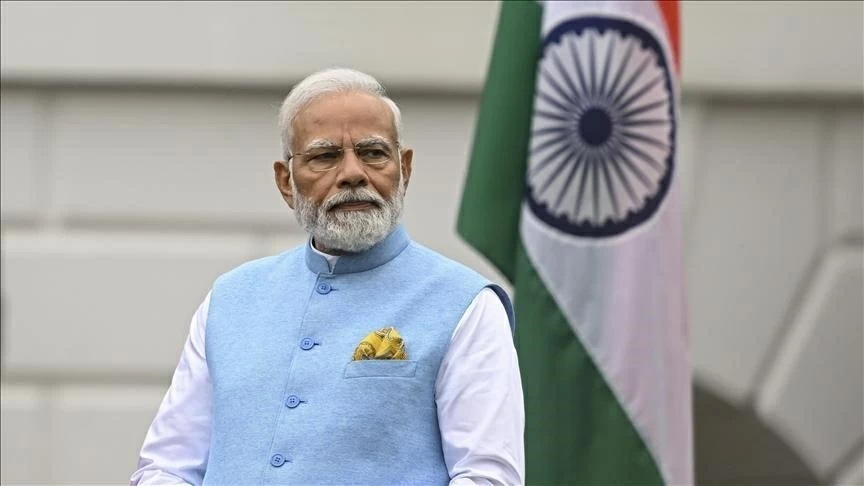
دعا رئيس الوزراء الهندي ناريندرا مودي اليوم المواطنين والشركات إلى ترشيد استهلاك الوقود والعودة للعمل من المنزل من أجل خفض استهلاك البنزين والديزل، في وقت أدى فيه الارتفاع الحاد في أسعار الطاقة العالمية إلى تقليص احتياطيات النقد الأجنبي في نيودلهي.
اجتماعات عبر الإنترنت
وقال مودي: «على المواطنين والشركات إعطاء الأولوية للعودة إلى العمل من المنزل وعقد الاجتماعات عبر الإنترنت، التي تم اعتمادها على نطاق واسع خلال ذروة جائحة كوفيد-19». وأشار إلى أن ذلك من شأنه أن يعود بالنفع على الهند.
وأضاف: «إن ارتفاع أسعار الوقود العالمية يفرض على الهند ضرورة ترشيد استهلاك البنزين والديزل للحفاظ على احتياطيات النقد الأجنبي».
أكبر أزمة
يذكر أن مدير وكالة الطاقة الدولية فاتح بيرول أعلن في وقت سابق أن الصراع بين إيران والولايات المتحدة وإسرائيل تسبب في أسوأ أزمة طاقة يشهدها العالم على الإطلاق.
وصرح «بيرول» خلال مقابلة مع إذاعة «فرانس إنتر» قائلاً: «هذه بالفعل أكبر أزمة في التاريخ، إذا ما جمعنا بين تداعيات أزمة النفط الآلية، وأزمة الغاز المرتبطة بروسيا».
وتأتي هذه التحذيرات بعدما أدت الحرب في الشرق الأوسط إلى عرقلة حركة الملاحة عبر مضيق هرمز، حيث يمر نحو خُمس إمدادات النفط والغاز الطبيعي المسال العالمية، وذلك إضافة إلى آثار الحرب الروسية مع أوكرانيا، التي تسببت في انقطاع إمدادات الغاز الروسي إلى أوروبا.
The Indian Prime Minister Narendra Modi today urged citizens and businesses to conserve fuel and return to working from home in order to reduce gasoline and diesel consumption, at a time when the sharp rise in global energy prices has led to a reduction in foreign exchange reserves in New Delhi.
Online Meetings
Modi said, “Citizens and businesses should prioritize returning to work from home and holding meetings online, which were widely adopted during the peak of the COVID-19 pandemic.” He noted that this would benefit India.
He added, “The rise in global fuel prices necessitates that India rationalize gasoline and diesel consumption to preserve foreign exchange reserves.”
Biggest Crisis
It is worth mentioning that the Director of the International Energy Agency, Fatih Birol, previously announced that the conflict between Iran, the United States, and Israel has caused the worst energy crisis the world has ever seen.
Birol stated during an interview with France Inter radio, “This is indeed the biggest crisis in history, if we combine the effects of the oil crisis and the gas crisis related to Russia.”
These warnings come after the war in the Middle East disrupted shipping through the Strait of Hormuz, where about one-fifth of global oil and liquefied natural gas supplies pass, in addition to the effects of the Russian war with Ukraine, which has caused disruptions in Russian gas supplies to Europe.