




 حالة الطقس
حذر صندوق النقد الدولي من تضاؤل هوامش الأمان التي ساعدت أسواق الطاقة على امتصاص الصدمة الأولى للحرب الأمريكية – الإيرانية في الشرق الأوسط، مؤكداً أن الأسواق أصبحت أكثر هشاشة أمام أي تصعيد جديد في التوترات الجيوسياسية، خصوصاً في منطقة مضيق هرمز.
وأوضح الصندوق في تقريره أن استخدام الطاقة الإنتاجية الفائضة، وانكماش الطلب، والسحب من المخزونات الإستراتيجية لتعويض تعطل الإمدادات، ساهم في احتواء الصدمة الأولى، لكنه قلّص في الوقت نفسه هامش المناورة المتاح لمواجهة أي اضطرابات جديدة.
تعطل الإمدادات
وأشار إلى أنه في حال عدم إعادة بناء المخزونات، فإن العالم سيواجه أي صدمة قادمة من موقع أضعف.
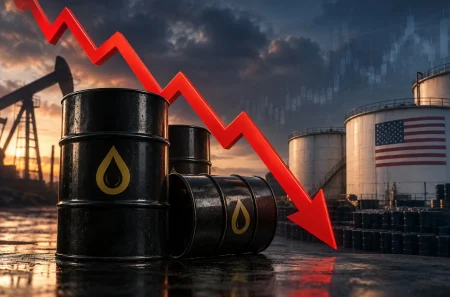
وأشار التقرير إلى أنه رغم تعطل إمدادات تقدر بنحو 20 مليون برميل يومياً من النفط الخام والمنتجات المكررة، استقرت أسعار النفط خلال الصدمة الأولى في نطاق يتراوح بين 90 و100 دولار للبرميل، وهو مستوى جاء أقل من التوقعات.
وعزا ذلك إلى عدة عوامل، أبرزها تجاوز المعروض حجم الطلب بنحو مليوني برميل يومياً، إلى جانب انكماش الطلب، خصوصاً في آسيا، مع ارتفاع الأسعار خلال الفترة من مارس إلى مايو، والاعتماد بصورة أكبر على الفحم ومصادر الطاقة الأخرى.
امتصاص الصدمات
ولفت التقرير إلى ارتفاع إنتاج النفط والغاز من خارج منطقة الخليج، ولا سيما من الولايات المتحدة، إضافة إلى السحب من مخزونات النفط الخام الإستراتيجية، وهو ما خفف من حدة الصدمة الأولى ومنح أسواق الطاقة مساحة للمناورة.
وأكد الصندوق أن تجدد التوترات في مضيق هرمز أدى إلى تقلص هذه المساحة، محذراً من أن الأسواق أصبحت أقل قدرة على امتصاص أي صدمات جديدة.
ودعا الصندوق الدول إلى تعزيز جهودها لتنويع إمدادات الطاقة بما يدعم الاستقرار الاقتصادي ويحد من آثار الصدمات، مشيراً إلى أن تعافي الإمدادات لن يؤدي إلى اختفاء عجز النفط إلا بصورة تدريجية، في حين أن أي توقف طويل الأمد للإنتاج قد يترتب عليه خسائر دائمة.
The International Monetary Fund warned of the diminishing safety margins that helped energy markets absorb the initial shock of the U.S.-Iranian war in the Middle East, confirming that markets have become more fragile in the face of any new escalation in geopolitical tensions, especially in the Strait of Hormuz.
The Fund explained in its report that the use of excess production capacity, shrinking demand, and withdrawals from strategic stocks to compensate for supply disruptions contributed to containing the initial shock, but at the same time reduced the available maneuvering margin to face any new disturbances.
Supply Disruptions
It pointed out that if stocks are not rebuilt, the world will face any upcoming shock from a weaker position.
The report noted that despite supply disruptions estimated at around 20 million barrels per day of crude oil and refined products, oil prices stabilized during the initial shock within a range of $90 to $100 per barrel, which was lower than expectations.
This was attributed to several factors, most notably that supply exceeded demand by about two million barrels per day, along with shrinking demand, particularly in Asia, with rising prices during the period from March to May, and a greater reliance on coal and other energy sources.
Shock Absorption
The report highlighted the increase in oil and gas production outside the Gulf region, particularly from the United States, in addition to withdrawals from strategic crude oil stocks, which alleviated the severity of the initial shock and provided energy markets with room to maneuver.
The Fund confirmed that renewed tensions in the Strait of Hormuz have led to a contraction of this space, warning that markets have become less capable of absorbing any new shocks.
The Fund called on countries to enhance their efforts to diversify energy supplies to support economic stability and mitigate the effects of shocks, noting that the recovery of supplies will not eliminate the oil deficit except gradually, while any long-term production halt could result in permanent losses.