








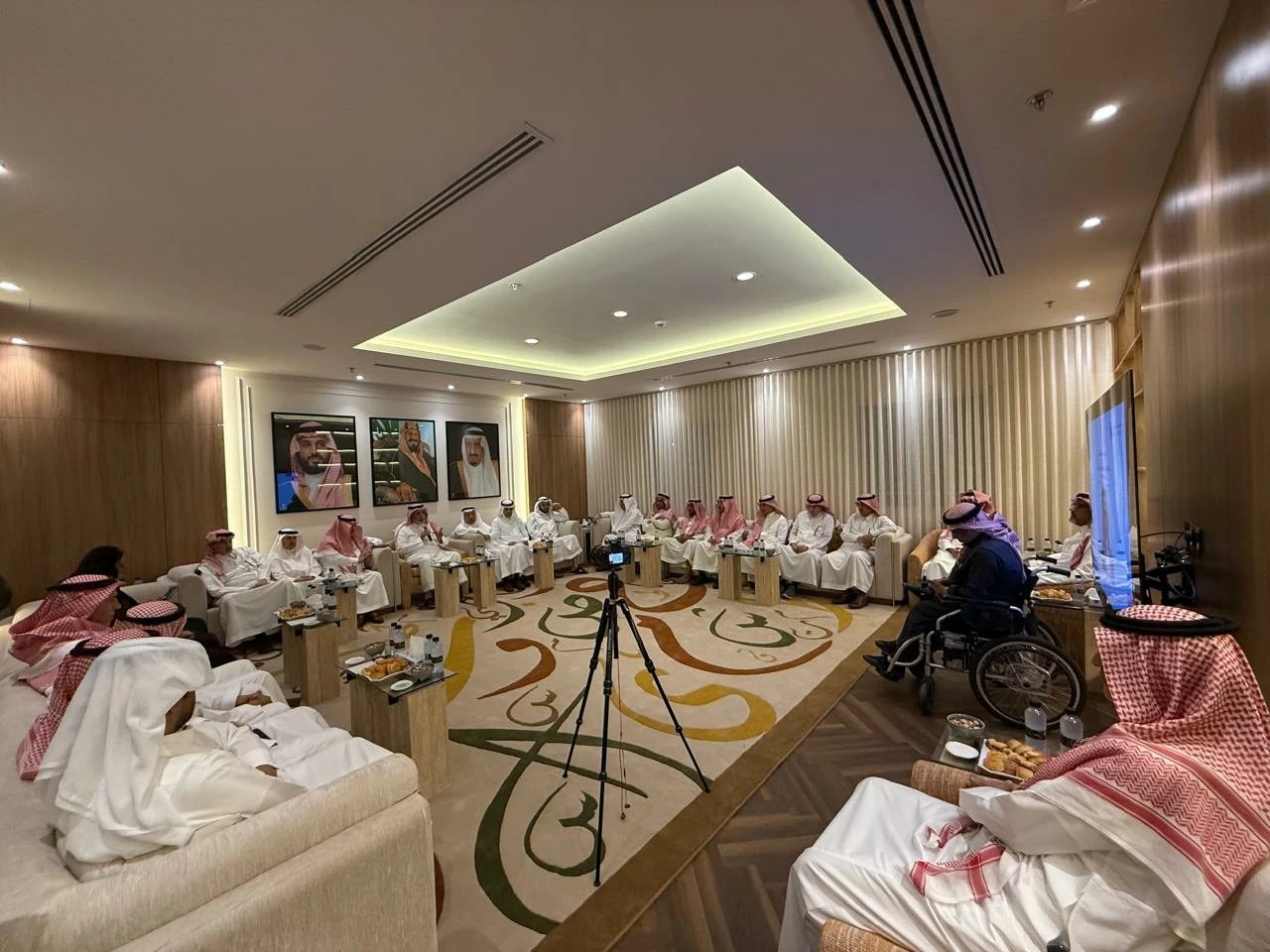
استضافت ديوانية الجمعية السعودية لكتّاب الرأي في الرياض، رئيس مجلس إدارة غرفة الرياض المهندس عبدالله العبيكان، في لقاء موسع بحضور نخبة من الكتّاب وصنّاع الفكر، تناول خلاله ملامح التحوّل الذي تشهده الغرفة، وأدوارها المتجددة في خدمة قطاع الأعمال وتعزيز حضورها في مسيرة التنمية الاقتصادية.
وأكد العبيكان أن غرفة الرياض تعمل وفق رؤية تستهدف الانتقال من الدور التقليدي في رعاية مصالح قطاع الأعمال إلى دور أكثر تأثيراً يقوم على تمكين القطاع الخاص وتمثيله بفاعلية أمام الجهات الحكومية، وتعزيز مشاركته في صناعة السياسات والقرارات ذات الصلة ببيئة الأعمال.
وأشار إلى أن الغرفة تتمتع باستدامة مالية تدعم قدرتها على تطوير أعمالها وتوسيع نطاق مبادراتها.
وتطرق رئيس مجلس إدارة غرفة الرياض إلى مرحلة التحوّل التي مرت بها الغرفة، موضحاً أنها واجهت تحديات مرتبطة بمواكبة التسارع الكبير في الأداء الحكومي والتحول التقني، إلى جانب الحاجة إلى تعزيز الثقة والتكامل مع الجهات الحكومية المعنية بالتنمية ومعالجة التحديات التي تواجه قطاع الأعمال.
وأوضح أن الغرفة عملت على إعادة هيكلة أعمالها وبناء نموذج تشغيلي حديث يرفع كفاءة الجهاز التنفيذي، ويعزز جودة الخدمات المقدمة للمنتسبين، ويرسخ دور الغرفة بوصفها شريكاً فاعلاً في التنمية الاقتصادية.
وبيّن العبيكان أن التحوّل شمل تطوير البنية التحتية الرقمية للغرفة بصورة شاملة، إلى جانب تأسيس مكتب للبيانات، ضمن توجه إستراتيجي لبناء قاعدة معلومات موثوقة تسهم في فهم واقع قطاع الأعمال، وتوفير البيانات والتحليلات التي تحتاج إليها الجهات ذات العلاقة بالاقتصاد والقطاع الخاص.
وفي امتداد لهذا التوجه، أشار إلى إنشاء مركز التميّز والاستشراف الاقتصادي، الذي يضم مجموعة من المختبرات المتخصصة، من بينها مختبر السياسات ومختبر النمذجة الاقتصادية، بهدف تطوير السياسات، وإنتاج التحليلات الاقتصادية المبنية على البيانات، واستشراف المتغيرات المستقبلية، بما يسهم في دعم صناعة القرار وتعزيز دور القطاع الخاص في تحقيق مستهدفات التنمية.
وأكد العبيكان أن هذا التحوّل يأتي في إطار توجه غرفة الرياض نحو بناء نموذج مؤسسي أكثر كفاءة وتأثيراً، يجعل منها منصة لتمثيل صوت قطاع الأعمال، ومصدراً للبيانات والمعرفة الاقتصادية، وشريكاً فاعلاً للقطاعين العام والخاص في دعم التنمية وتعزيز تنافسية اقتصاد الرياض.
The Saudi Association of Opinion Writers hosted the Chairman of the Riyadh Chamber of Commerce, Engineer Abdullah Al-Obaikan, in an extensive meeting attended by a select group of writers and thinkers. During the meeting, he discussed the features of the transformation that the chamber is undergoing and its renewed roles in serving the business sector and enhancing its presence in the economic development journey.
Al-Obaikan confirmed that the Riyadh Chamber operates according to a vision aimed at transitioning from the traditional role of serving the interests of the business sector to a more impactful role that focuses on empowering the private sector and effectively representing it before government entities, as well as enhancing its participation in the formulation of policies and decisions related to the business environment.
He pointed out that the chamber enjoys financial sustainability that supports its ability to develop its operations and expand the scope of its initiatives.
The Chairman of the Riyadh Chamber discussed the transformation phase that the chamber has undergone, explaining that it faced challenges related to keeping pace with the rapid acceleration in government performance and technological transformation, in addition to the need to enhance trust and integration with the relevant government entities involved in development and addressing the challenges facing the business sector.
He clarified that the chamber has worked on restructuring its operations and building a modern operational model that enhances the efficiency of the executive body, improves the quality of services provided to its members, and solidifies the chamber’s role as an active partner in economic development.
Al-Obaikan indicated that the transformation included the comprehensive development of the chamber’s digital infrastructure, along with the establishment of a data office, as part of a strategic direction to build a reliable information base that contributes to understanding the reality of the business sector and providing the data and analyses needed by the entities related to the economy and the private sector.
In line with this direction, he mentioned the establishment of the Center for Excellence and Economic Foresight, which includes a number of specialized laboratories, including the Policy Lab and the Economic Modeling Lab, aimed at developing policies, producing data-driven economic analyses, and anticipating future changes, thereby contributing to supporting decision-making and enhancing the role of the private sector in achieving development goals.
Al-Obaikan affirmed that this transformation is part of the Riyadh Chamber’s approach to building a more efficient and impactful institutional model, making it a platform for representing the voice of the business sector, a source of economic data and knowledge, and an active partner for both the public and private sectors in supporting development and enhancing the competitiveness of the Riyadh economy.