



 حالة الطقس
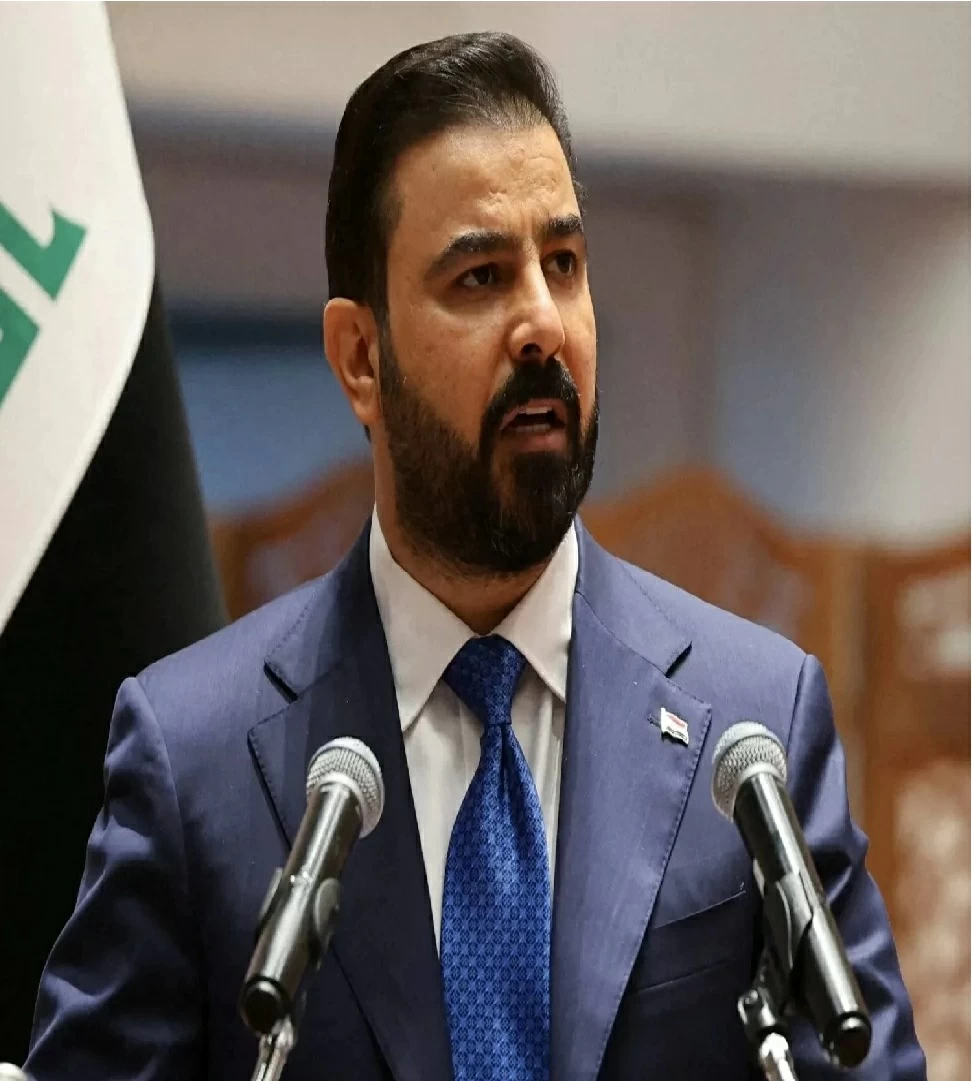
وجّه رئيس مجلس الوزراء العراقي علي الزيدي بأن يكون عمل الشركات النفطية على مدار 24 ساعة، مؤكداً أن العراق من أكثر البلدان تضرراً من إغلاق مضيق هرمز، مشيراً إلى أنه لا يمكن للعراق أن يبقى معتمداً على ممر واحد لتصدير نفطه.
آليات التعامل
وذكر المكتب الإعلامي لرئيس الوزراء، في بيان اليوم، أن «الزيدي ترأس اجتماعاً موسعاً لوزارة النفط، بحضور وزيري المالية والنفط، ومدير مكتب رئيس الوزراء، والوكلاء والمديرين العامين في جميع دوائر وتشكيلات الوزارة.
وجرى خلال الاجتماع استعراض الخطط والاستراتيجيات التي أعدتها الوزارة، وآليات التعامل مع تداعيات أزمة مضيق هرمز، والحلول المقترحة لضمان انسيابية تصدير النفط العراقي وزيادة قدراته التصديرية».
وشهد الاجتماع، بحسب البيان «مناقشة واقع القطاع النفطي، ومستويات الإنتاج والتصدير، في ظل الظروف الاستثنائية التي تشهدها المنطقة، وما ترتب عليها من إغلاق مضيق هرمز، وما نجم عنه من تراجع كبير في معدلات تصدير النفط العراقي، حيث جرى بحث السياسات والخطط والحلول الممكنة للتعامل مع تداعيات الأزمة، وضمان استمرار تصدير النفط، وتعزيز منافذ التصدير البديلة.
حلول عملية
وأكد رئيس الوزراء أهمية الإسراع في إيجاد الحلول العملية، من خلال تأهيل وتطوير أنابيب نقل النفط، والتعاقد مع الشركات العالمية لتسويق وبيع النفط العراقي، موجهاً بأن يكون عمل الشركات النفطية على مدار 24 ساعة، بما يضمن استدامة عمليات الإنتاج والتصدير وزيادة معدلاتها.
ووجّه رئيس الوزراء»باستثمار الظروف الحالية وتطوير البنى التحتية النفطية وتوسيع منافذ التصدير. وأشار إلى أن وزارة النفط تمتلك العديد من الحلول والفرص التي يمكن العمل عليها بصورة عاجلة، بما يحقق نتائج سريعة وملموسة”.
The Iraqi Prime Minister Ali Al-Zaydi has directed that oil companies operate 24 hours a day, emphasizing that Iraq is one of the countries most affected by the closure of the Strait of Hormuz, noting that Iraq cannot remain dependent on a single route for exporting its oil.
Mechanisms of Dealing
The media office of the Prime Minister stated in a statement today that “Al-Zaydi chaired an extensive meeting for the Ministry of Oil, attended by the Ministers of Finance and Oil, the Director of the Prime Minister’s Office, and the deputies and general directors in all departments and formations of the ministry.
During the meeting, the plans and strategies prepared by the ministry were reviewed, as well as the mechanisms for dealing with the repercussions of the Strait of Hormuz crisis, and the proposed solutions to ensure the smooth export of Iraqi oil and increase its export capacities.”
The meeting also witnessed, according to the statement, “a discussion of the reality of the oil sector, production and export levels, in light of the exceptional circumstances in the region, the resulting closure of the Strait of Hormuz, and the significant decline in Iraqi oil export rates, where policies, plans, and possible solutions to deal with the repercussions of the crisis were discussed, ensuring the continuation of oil exports and enhancing alternative export outlets.
Practical Solutions
The Prime Minister emphasized the importance of expediting the search for practical solutions, through the rehabilitation and development of oil transport pipelines, and contracting with global companies to market and sell Iraqi oil, directing that oil companies operate 24 hours a day, ensuring the sustainability of production and export operations and increasing their rates.
The Prime Minister also directed “to invest in the current circumstances and develop oil infrastructure and expand export outlets. He pointed out that the Ministry of Oil has many solutions and opportunities that can be worked on urgently, achieving quick and tangible results.”