


 حالة الطقس
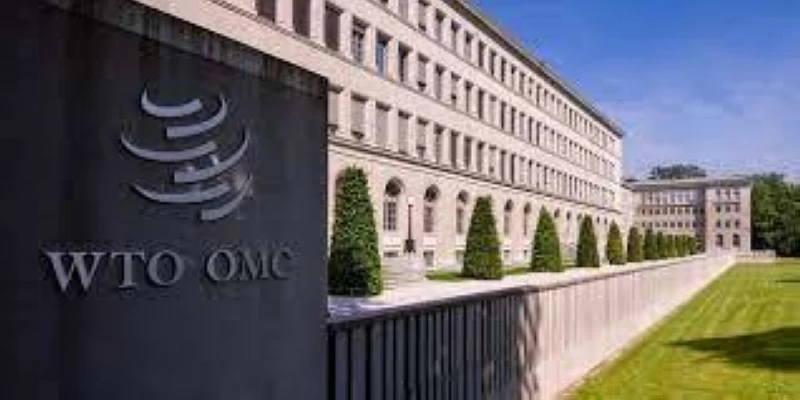
حذرت منظمة التجارة العالمية من خسائر قد تصل إلى تريليونات الدولارات إذا انقسم العالم إلى تكتلات جيوسياسية تتبادل دول كل تكتل التجارة فيما بينها بشكل رئيسي، أو ضمن مناطق تجارة حرة منفصلة.
ووفقاً لدراسة أجرتها المنظمة، فإن هذا السيناريو سيشهد انخفاض الناتج الاقتصادي للعالم بنحو 10% بدءاً من عام 2050 مقارنة بسيناريو توسيع التعاون التجاري بين دول العالم.
مصادر جديدة للصراع
وأظهرت محاكاة أجرتها منظمة التجارة العالمية ترجيح ارتفاع الصادرات العالمية بنسبة 45% سنوياً تقريباً بدءاً من عام 2050 في ظل سيناريو ما يعرف بـ«التعاون المعزز»، مقارنة بسيناريو إبقاء الرسوم الجمركية منخفضة داخل مناطق تجارة حرة محددة فقط. وأشار تقرير المنظمة إلى أن زيادة تكامل الاقتصاد العالمي خلق مصادر جديدة للصراع، وفي بعض الحالات جعل مفاوضات التجارة الحرة أشد صعوبة. وقالت أمين عام المنظمة نجوزي أوكونجو إيويالا، في تقديم التقرير: «النظام التجاري العالمي في أشد فترات الاضطراب منذ 80 عاماً».
تحديث القواعد
وأشار كبير الخبراء الاقتصاديين في منظمة التجارة العالمية روبرت ستايجر إلى أنه يجب تحديث القواعد التي تم إقرارها عبر المفاوضات عند تأسيس منظمة التجارة العالمية في 1995 لأن العالم تغير بشدة، مع انضمام الكثير من الدول الجديدة إليها ومنها الصين.
وتعاني منظمة التجارة العالمية من أزمة منذ سنوات، وفشلت آخر جولة مفاوضات رئيسية متعددة الأطراف تحت مظلة المنظمة وهي جولة الدوحة التي انطلقت عام 2001. وتنتقد الكثير من الدول التي تنافس الصين في الأسواق العالمية أن بكين ما زالت تتمتع بوضع «الدولة النامية»، وما يرتبط بذلك من مزايا داخل منظمة التجارة العالمية.
The World Trade Organization warned of losses that could reach trillions of dollars if the world divides into geopolitical blocs where countries within each bloc primarily trade among themselves, or within separate free trade areas.
According to a study conducted by the organization, this scenario would see the world’s economic output decline by about 10% starting in 2050 compared to a scenario of expanding trade cooperation among countries.
New Sources of Conflict
A simulation conducted by the World Trade Organization indicated that global exports are likely to rise by nearly 45% annually starting in 2050 under a scenario known as “enhanced cooperation,” compared to a scenario of keeping tariffs low only within specific free trade areas. The organization’s report noted that increased integration of the global economy has created new sources of conflict, and in some cases made free trade negotiations more difficult. The organization’s Director-General Ngozi Okonjo-Iweala stated in the report’s introduction: “The global trading system is in its most turbulent period in 80 years.”
Updating the Rules
Robert Staiger, the chief economist at the World Trade Organization, pointed out that the rules established through negotiations when the WTO was founded in 1995 need to be updated because the world has changed significantly, with many new countries joining, including China.
The World Trade Organization has been facing a crisis for years, and the last major multilateral negotiation round under its umbrella, the Doha Round, which began in 2001, has failed. Many countries competing with China in global markets criticize that Beijing still enjoys “developing country” status, along with the associated benefits within the World Trade Organization.