




 حالة الطقس
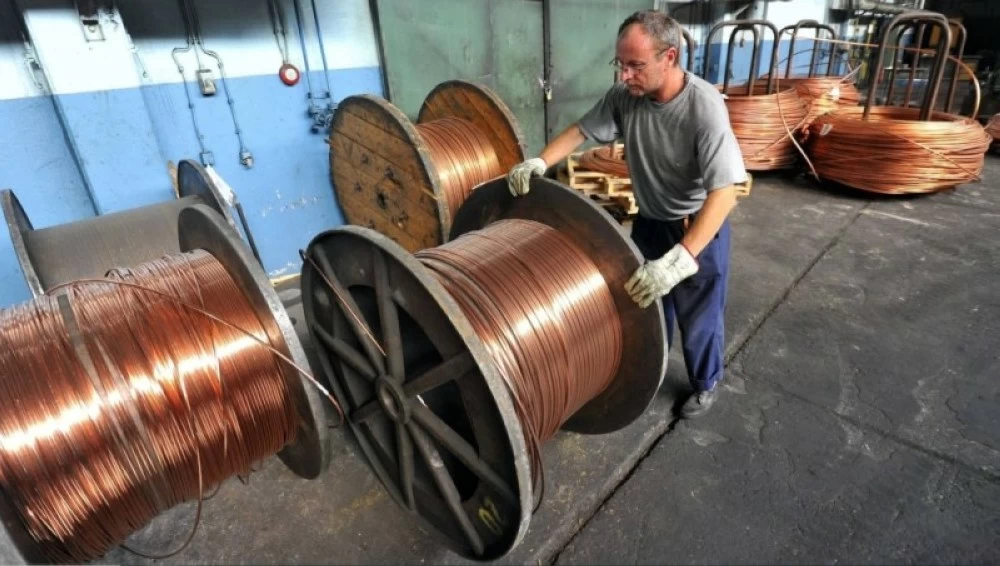
شهدت مدن في الولايات المتحدة وأوروبا تصاعدًا ملحوظًا في سرقات النحاس، بالتزامن مع الارتفاع الحاد في أسعار المعدن عالمياً؛ ما تسبب في تعطّل خدمات أساسية شملت الاتصالات، والإنارة العامة، وإشارات المرور.
وبحسب بيانات السوق، قفزت أسعار النحاس بأكثر من 30% في الولايات المتحدة خلال الفترة الأخيرة، مدفوعة بزيادة الطلب من مراكز البيانات ومشروعات الطاقة، إلى جانب مخاوف من فرض رسوم جمركية جديدة على الواردات.
مهمة معقدة وضعف رقابة
وقالت شركات مرافق واتصالات: «هذا الارتفاع حوّل النحاس إلى سلعة سريعة التداول في السوق السوداء، ما شجع لصوصاً على استهداف الكابلات الهوائية والمدفونة، وسرقتها خلال دقائق، ثم بيعها بعد تجريدها من أي علامات تعريف».
وأشارت تقارير محلية إلى أن السرقات طالت خطوط الهاتف، وكابلات الإنترنت، وأسلاك الكهرباء، ما أدى إلى انقطاعات متكررة في الخدمة، وتأثر مستشفيات ومرافق طوارئ في بعض المناطق.
وأفادت التقارير أن تتبع النحاس المسروق يظل مهمة معقدة، إذ يُباع عادة على شكل «نحاس عارٍ» لتجار خردة، في ظل ضعف الرقابة في بعض الأسواق.
تحديات وتكلفة مرتفعة
وفي محاولة للحد من هذه الظاهرة، بدأت شركات الاتصالات في عدد من الدول تسريع خطط استبدال شبكات النحاس بالألياف الضوئية، إلا أن العملية تواجه تحديات تقنية وتكلفة مرتفعة، خصوصاً مع استمرار اعتماد ملايين المستخدمين على البنية التحتية القديمة.
ويحذّر خبراء من أن استمرار ارتفاع أسعار النحاس قد يؤدي إلى مزيد من السرقات وتعطّل الخدمات، ما لم تُشدد الرقابة على تجارة الخردة وتُسرّع خطط تحديث الشبكات.
Cities in the United States and Europe have witnessed a notable increase in copper thefts, coinciding with a sharp rise in global metal prices; this has led to disruptions in essential services including communications, public lighting, and traffic signals.
According to market data, copper prices have jumped by more than 30% in the United States recently, driven by increased demand from data centers and energy projects, alongside fears of new tariffs on imports.
A Complex Task and Weak Oversight
Utility and telecommunications companies stated: “This rise has turned copper into a fast-traded commodity in the black market, encouraging thieves to target both overhead and buried cables, stealing them within minutes, and then selling them after stripping any identifying marks.”
Local reports indicated that the thefts have affected telephone lines, internet cables, and electrical wires, leading to repeated service interruptions, impacting hospitals and emergency facilities in some areas.
Reports have indicated that tracking stolen copper remains a complex task, as it is usually sold as “bare copper” to scrap dealers, amid weak oversight in some markets.
Challenges and High Costs
In an attempt to curb this phenomenon, telecommunications companies in several countries have begun to accelerate plans to replace copper networks with fiber optics, but the process faces technical challenges and high costs, especially with millions of users still relying on the old infrastructure.
Experts warn that the continued rise in copper prices may lead to more thefts and service disruptions unless oversight on scrap trading is tightened and network upgrade plans are expedited.