



 حالة الطقس
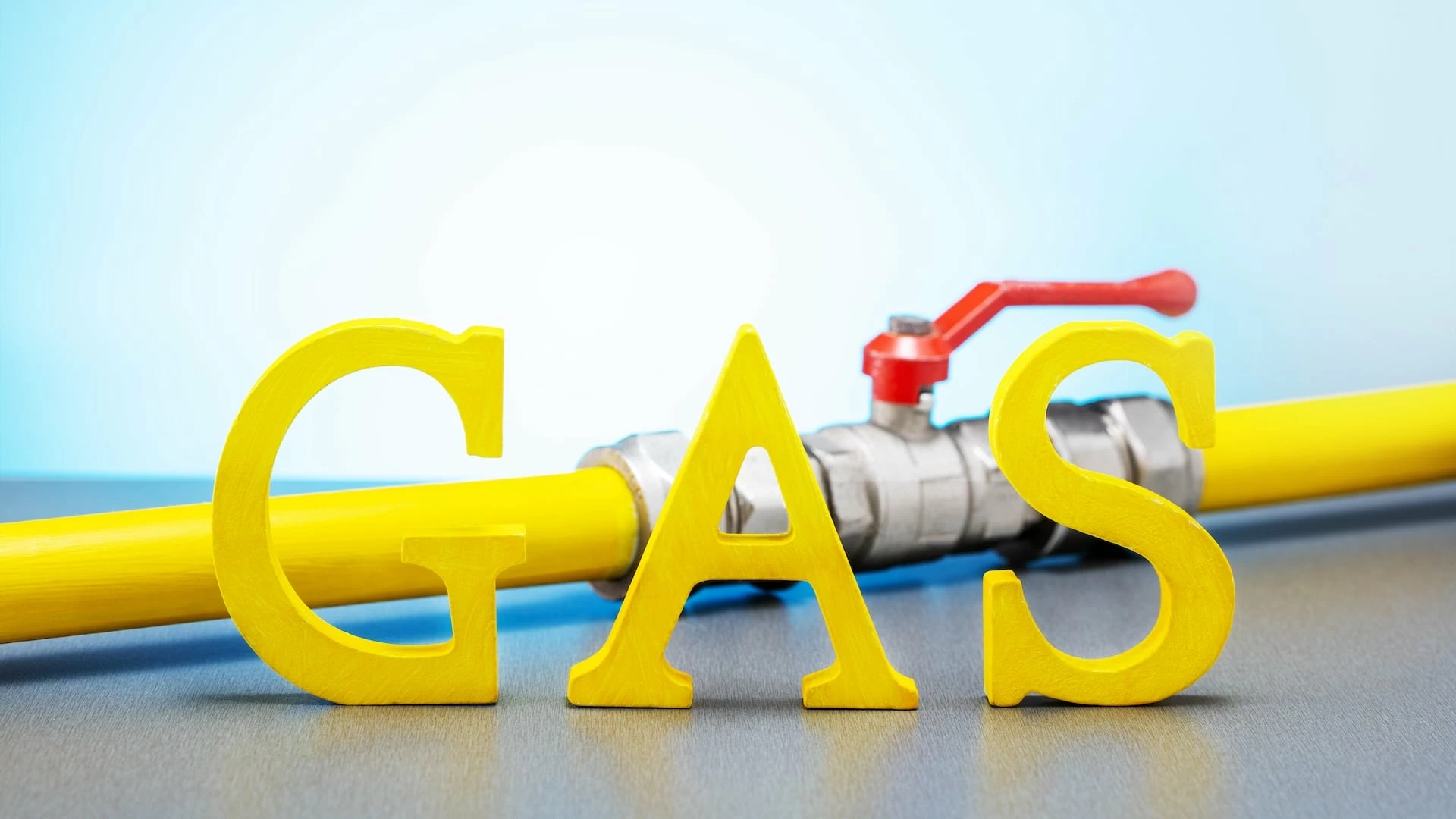
أعلنت الحكومة الإيرانية فقدان نحو 230 مليون متر مكعب من الغاز ما يعادل أكثر من 35% من طاقتها الإنتاجية بسبب الحرب. وذلك بحسب ما نشر موقع قناة «العربية»، اليوم.
وخلال الحرب التي اندلعت في 28 فبراير الماضي، تعرضت أجزاء من البنية التحتية في حقل بارس الجنوبي للغاز للضرر.
حقل بارس الجنوبي
ويعد حقل بارس الجنوبي، المعروف في قطر باسم «حقل الشمال»، أكبر حقل للغاز الطبيعي عالمياً، إذ يمتد في مياه الخليج العربي بشكل مشترك بين قطر وإيران، ويشكل إحدى أهم ركائز إمدادات الطاقة على مستوى العالم.
ويمتد الحقل على مساحة تقدر بنحو 9,700 كيلومتر مربع، موزعة بين نحو 6,000 كيلومتر مربع في المياه القطرية و3,700 كيلومتر مربع في الجانب الإيراني، حيث يعرف باسم «جنوب بارس»، وقد اكتشف الحقل عام 1971، فيما بدأ الإنتاج الفعلي في أواخر الثمانينيات.
ووفق تقديرات وكالة الطاقة الدولية، يحتوي الحقل على نحو 1,800 تريليون قدم مكعبة «ما يعادل 51 تريليون متر مكعب» من الغاز الطبيعي، إضافة إلى حوالي 50 مليار برميل من مكثفات الغاز، ما يجعله الأكبر عالمياً من حيث الاحتياطيات القابلة للاستخراج، إذ يمثل نحو 10% من احتياطي الغاز في العالم.
The Iranian government announced the loss of about 230 million cubic meters of gas, equivalent to more than 35% of its production capacity due to the war. This was reported by the “Al Arabiya” channel website today.
During the war that broke out on February 28, parts of the infrastructure in the South Pars gas field were damaged.
South Pars Field
The South Pars field, known in Qatar as the “North Field,” is the largest natural gas field in the world, extending in the waters of the Arabian Gulf jointly between Qatar and Iran, and is one of the most important pillars of global energy supplies.
The field covers an area of approximately 9,700 square kilometers, distributed between about 6,000 square kilometers in Qatari waters and 3,700 square kilometers on the Iranian side, where it is known as “South Pars.” The field was discovered in 1971, and actual production began in the late 1980s.
According to estimates by the International Energy Agency, the field contains about 1,800 trillion cubic feet (equivalent to 51 trillion cubic meters) of natural gas, in addition to approximately 50 billion barrels of gas condensates, making it the largest in the world in terms of extractable reserves, representing about 10% of the world’s gas reserves.