








أبقت منظمة الدول المصدّرة للنفط (أوبك) على توقعاتها لنمو الطلب العالمي على النفط في عام 2025 دون تغيير عند 1.30 مليون برميل يوميًا، كما ثبتت توقعاتها لنمو الطلب في عام 2026 عند 1.38 مليون برميل يوميًا.
وأوضحت المنظمة في تقريرها الشهري أن متوسط إنتاج تحالف «أوبك+» من النفط الخام بلغ 43.02 مليون برميل يوميًا في أكتوبر الماضي، بانخفاض قدره 73 ألف برميل يوميًا مقارنة بشهر سبتمبر، رغم اتفاق التحالف على زيادة الإنتاج.
كما توقعت «أوبك» أن يبلغ متوسط الطلب العالمي على خام «أوبك+» نحو 43.0 مليون برميل يوميًا في عام 2026، وهو ما يقل بنحو 100 ألف برميل يوميًا عن التقديرات السابقة.
صناعة حيوية
وكان أمين عام منظمة أوبك هيثم الغيص أكد في وقت سابق من هذا الأسبوع أن النفط لا يزال يشكل نحو 30% من مزيج الطاقة العالمي؛ ما يعكس الحاجة الملحة إلى ضخ المزيد من الاستثمارات في هذه الصناعة الحيوية لضمان أمن الطاقة العالمي في المستقبل.
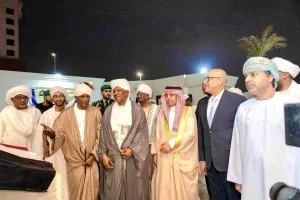
وقال الغيص في مقابلة مع «العربية Business»: «بيّنا اليوم خلال لقاء بعدد من المسؤولين وأعضاء السلك الدبلوماسي أهمية أن تكون هناك استثمارات تُقدّر بنحو 18.2 تريليون دولار من الآن وحتى عام 2050، أي ما يعادل 700 مليار دولار سنويا، تُخصص لعمليات الاستكشاف، الحفر، الإنتاج، الطاقة التكريرية، صناعة البتروكيماويات، وسلسلة الإمداد اللوجستية المتكاملة لصناعة النفط».
أولوية قصوى
وشدد الغيص على أن الحفاظ على هذه الاستثمارات يمثل أولوية قصوى، مشيرا إلى أن منظمة أوبك تسعى من خلال مشاركاتها ومداخلاتها إلى توعية صناع القرار والسياسيين حول العالم بأهمية الاستثمار في النفط، والابتعاد عن السياسات التي تستهدف هذه السلعة الإستراتيجية.
وأضاف: «النفط سلعة متغلغلة في جميع الصناعات، من الطائرات والسيارات إلى الشاحنات والبنية التحتية، وبالتالي لا يمكن تجاهل دوره المحوري في الاقتصاد العالمي».
وأوضح الغيص أن النفط سيظل عنصرا أساسيا في مزيج الطاقة العالمي، وأن الاستثمار فيه ليس خيارا، بل ضرورة لضمان استقرار الأسواق وتلبية احتياجات النمو السكاني والاقتصادي.
The Organization of the Petroleum Exporting Countries (OPEC) has kept its forecasts for global oil demand growth in 2025 unchanged at 1.30 million barrels per day, and it has also maintained its demand growth forecast for 2026 at 1.38 million barrels per day.
The organization clarified in its monthly report that the average production of the “OPEC+” alliance of crude oil reached 43.02 million barrels per day last October, a decrease of 73,000 barrels per day compared to September, despite the alliance’s agreement to increase production.
OPEC also predicted that the average global demand for “OPEC+” crude will be around 43.0 million barrels per day in 2026, which is about 100,000 barrels per day lower than previous estimates.
Vital Industry
The Secretary-General of OPEC, Haitham Al-Ghais, confirmed earlier this week that oil still accounts for about 30% of the global energy mix; reflecting the urgent need to inject more investments into this vital industry to ensure global energy security in the future.
Al-Ghais stated in an interview with “Al Arabiya Business”: “We emphasized today during a meeting with several officials and members of the diplomatic corps the importance of having investments estimated at around $18.2 trillion from now until 2050, which is equivalent to $700 billion annually, allocated for exploration, drilling, production, refining energy, petrochemical industry, and the integrated logistics supply chain for the oil industry.”
Top Priority
Al-Ghais stressed that maintaining these investments is a top priority, noting that OPEC seeks through its participations and interventions to raise awareness among decision-makers and politicians around the world about the importance of investing in oil and moving away from policies that target this strategic commodity.
He added: “Oil is a commodity that is embedded in all industries, from airplanes and cars to trucks and infrastructure, and therefore its pivotal role in the global economy cannot be ignored.”
Al-Ghais explained that oil will remain a fundamental element in the global energy mix, and that investing in it is not an option but a necessity to ensure market stability and meet the needs of population and economic growth.