



 حالة الطقس
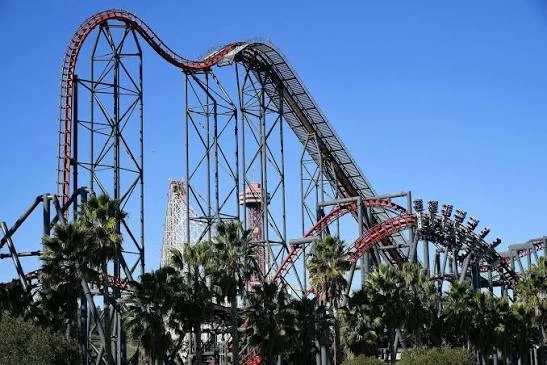
بعد سنوات من الإثارة والسرعة، انتهت رحلة واحدة من أشهر الأفعوانيات في العالم بقرار إغلاق نهائي، بعدما أثارت سلسلة من الإصابات الخطيرة والوفيات المرتبطة بها تساؤلات متزايدة حول مستوى السلامة والمخاطر التي قد يتعرض لها الركاب.
وأعلنت شركة «سيكس فلاغز» إغلاق أفعوانيتها الشهيرة «X2» في أحد منتزهاتها بولاية كاليفورنيا الأمريكية، وذلك بعد نحو شهر من تحقيق استقصائي كشف عن سجل طويل من الإصابات الدماغية وحالات الوفاة المرتبطة باللعبة.
وقال رئيس المنتزه، برايان أوردينغ، في تدوينة رسمية، إن الأفعوانية اجتازت اختبارات السلامة بشكل مستمر، إلا أن الشركة قررت إغلاقها نهائيًا، معتبرًا أن القرار هو «التصرف الصحيح» في ظل تراجع ثقة الزوار.
وأكد أن سلامة الألعاب تمثل الأساس الذي تقوم عليه أعمال المنتزه، في وقت تصاعدت فيه المخاوف بشأن الحوادث المرتبطة بالأفعوانية.
وبحسب تحقيق أجرته شبكة «CNN» الشهر الماضي، ظلت مزاعم تعرض ركاب لإصابات خطيرة مرتبطة باللعبة غير معلنة على نطاق واسع لأكثر من عقد، قبل أن يكشف التحقيق عن أكثر من 12 حالة إصابة بالغة استدعت دخول المستشفيات، من بينها حالتا وفاة على الأقل.
وفي يوليو الماضي، نُقلت امرأتان إلى غرفة الطوارئ نفسها في مدينة سانتا كلاريتا، بفارق ستة أيام فقط، بعد تعرضهما لإصابات دماغية عقب ركوب الأفعوانية.
وبعد الحادثة الثانية بيوم واحد، أُغلقت اللعبة مؤقتًا، في وقت بدأت فيه تفاصيل الإصابات المرتبطة بها تتصدر المشهد مجددًا.
ولم تتوقف المطالبات عند الحالات التي كشف عنها التحقيق، إذ أعلن محامون خلال مؤتمر صحفي تقدم أكثر من 100 ضحية جديدة بشكاوى، قالوا فيها إنهم تعرضوا لإصابات دماغية بدرجات متفاوتة بعد ركوب الأفعوانية خلال العامين الماضيين فقط.
كما رُفعت ثلاث دعاوى قضائية هذا العام من جانب ركاب قالوا إنهم تعرضوا لإصابات تهدد حياتهم، واتهموا مسؤولي المنتزه بأنهم كانوا على علم بالمخاطر، ومع ذلك سمحوا باستمرار تشغيل اللعبة.
اشتهرت الأفعوانية على مدار نحو عقدين بفضل تصميمها المعروف بتقنية «رباعية الأبعاد»، إذ تدور المقاعد بزاوية 360 درجة أثناء الرحلة، بينما تصل سرعتها إلى نحو 129 كيلومترًا في الساعة خلال رحلة تستغرق قرابة دقيقتين.
لكن بالنسبة لبعض الركاب، لم تنتهِ تلك الدقائق بانتهاء الرحلة. فالضحية نعومي غرير-ويلكينسون، البالغة من العمر 26 عامًا، ترقد حاليًا في غيبوبة بعد ركوبها اللعبة، وذلك بعد ستة أيام فقط من تعرض باميلا غيين لحادثة أفقدتها الوعي، قبل أن تخضع لجراحة دماغية طارئة وتبدأ لاحقًا رحلة طويلة لاستعادة قدرتها على المشي والكلام.
وعبرت غيين وعائلة نعومي عن ارتياحهما لقرار إغلاق الأفعوانية، معتبرتين أن سلامة الزوار كان ينبغي أن تحظى بالأولوية منذ وقت أبكر.
وتعود القضية أيضًا إلى معركة قضائية خاضتها عائلة الشاب كريستوفر هاولي، الذي توفي قبل أربع سنوات بعد ساعات من ركوبه الأفعوانية، إثر تعرضه لإصابة حادة في الرأس.
ووصف جراح أعصاب إصابته بأنها تشبه في شدتها ما يُعرف بـ«متلازمة الطفل المهزوز».
وتوصلت عائلة هاولي الشهر الماضي إلى تسوية مبدئية مع الشركة، بينما كشف فريق الدفاع عن انضمام موكلين جدد إلى القضية، بينهم عائلة شاب توفي أواخر عام 2025 بعد ركوبه الأفعوانية نفسها.
وبذلك، ارتفع عدد الوفيات المرتبطة بالأفعوانية، وفق ما ورد في القضية، إلى ثلاث حالات على الأقل، لتتحول اللعبة التي عُرفت لسنوات بسرعتها وتجربتها الاستثنائية إلى محور جدل واسع حول حدود الإثارة عندما تتقاطع مع مخاوف السلامة.
After years of excitement and speed, the journey of one of the world’s most famous roller coasters has ended with a final closure decision, following a series of serious injuries and fatalities associated with it that raised increasing questions about the level of safety and the risks passengers may face.
Six Flags announced the closure of its famous roller coaster “X2” at one of its parks in California, about a month after an investigative report revealed a long record of brain injuries and fatalities linked to the ride.
The park’s president, Brian Ording, stated in an official post that the roller coaster had consistently passed safety tests, but the company decided to close it permanently, considering the decision to be “the right action” in light of declining visitor confidence.
He emphasized that the safety of the rides is the foundation upon which the park’s operations are built, at a time when concerns about incidents related to the roller coaster have escalated.
According to an investigation conducted by CNN last month, allegations of passengers suffering serious injuries related to the ride had remained largely unreported for over a decade, before the investigation revealed more than 12 severe injury cases that required hospitalization, including at least two fatalities.
In July, two women were taken to the same emergency room in Santa Clarita, just six days apart, after suffering brain injuries following a ride on the roller coaster.
One day after the second incident, the ride was temporarily closed, as details of the injuries associated with it began to resurface.
Demands did not stop at the cases revealed by the investigation, as lawyers announced during a press conference that more than 100 new victims had filed complaints, stating that they had suffered varying degrees of brain injuries after riding the roller coaster in just the past two years.
Additionally, three lawsuits were filed this year by passengers who claimed they suffered life-threatening injuries, accusing park officials of being aware of the risks yet allowing the ride to continue operating.
The roller coaster gained fame over nearly two decades due to its design known for “4D technology,” where the seats rotate at a 360-degree angle during the ride, reaching speeds of about 129 kilometers per hour over a ride lasting approximately two minutes.
But for some passengers, those minutes did not end with the ride. Victim Naomi Greer-Wilkinson, 26, is currently in a coma after riding the attraction, just six days after Pamela Guien suffered an incident that left her unconscious, before undergoing emergency brain surgery and later embarking on a long journey to regain her ability to walk and speak.
Guien and Naomi’s family expressed relief at the decision to close the roller coaster, believing that visitor safety should have been prioritized much earlier.
The case also relates to a legal battle fought by the family of Christopher Hawley, who died four years ago just hours after riding the roller coaster, due to a severe head injury.
A neurosurgeon described his injury as being as severe as what is known as “Shaken Baby Syndrome.”
The Hawley family reached a preliminary settlement with the company last month, while the defense team revealed that new clients had joined the case, including the family of a young man who died in late 2025 after riding the same roller coaster.
Thus, the number of fatalities linked to the roller coaster, according to the case, has risen to at least three, turning the ride, which had been known for years for its speed and exceptional experience, into the center of a wide debate about the limits of thrill when intersecting with safety concerns.