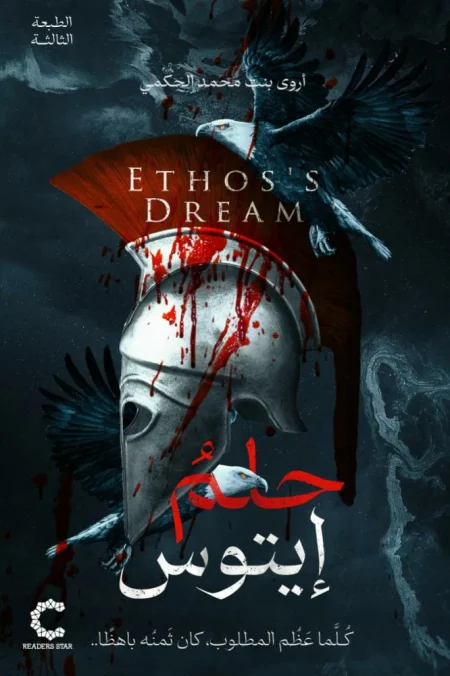









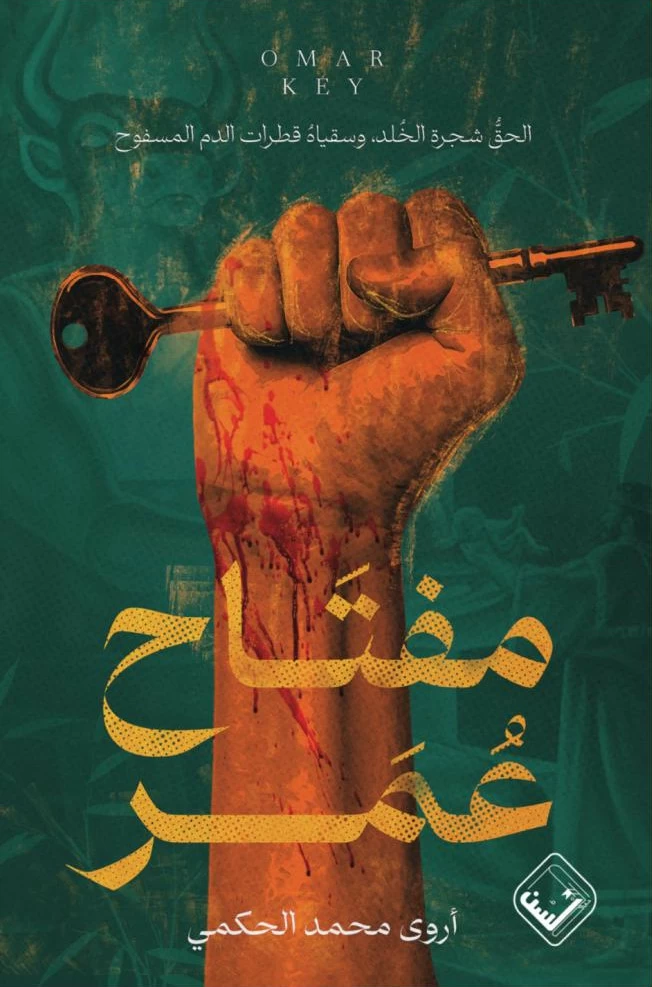
ما بين مفتاح صغير وبيت غادره أهله، تستحضر الكاتبة أروى بنت محمد الحكمي في رواية «مفتاح عمر»، تاريخ أرض مقدسة تعاقبت عليها الصراعات والضحايا على مدى قرون، قبل أن تنتقل بالحكاية إلى عائلة فلسطينية تحمل اسم «عمر»، وتصبح قصة أفرادها امتدادًا لذاكرة المكان وأهله.
الرواية، الصادرة عام 2024، تقع في نحو 165 صفحة، وتصنف ضمن الروايات التاريخية والاجتماعية، وتقوم فكرتها الأساسية على تحويل المفتاح من أداة لفتح باب إلى رمز للبيت والهوية والذاكرة، ووصية تنتقل من جيل إلى آخر، حاملة معها أمل العودة إلى الديار.
تاريخ وحكاية عائلة
تبدأ الرواية في مسار تاريخي يستعرض محطات متعاقبة من تاريخ الأرض المقدسة، قبل أن تنتقل إلى الجانب الروائي الذي يركز على عائلة «عمر»، ويمتد القسم الثاني من أواخر القرن التاسع عشر وصولًا إلى عام 2023، لتصبح العائلة نافذة يرى القارئ من خلالها انعكاس الأحداث الكبرى على حياة الأفراد.
ومن خلال انتقال الحكاية بين الأجيال، لا تقدم الحكمي التاريخ بوصفه مجموعة من الأحداث فحسب، بل تربطه بمصائر أشخاص يعيشون تداعياته، فيتحول فقدان المنزل إلى فقدان جزء من الذاكرة، ويصبح الرحيل تجربة تتكرر داخل العائلة، فيما تبقى فكرة العودة حاضرة في الوجدان.
المفتاح وصية لا تنتهي
في قلب الرواية يقف «المفتاح» بوصفه الشخصية الرمزية الأبرز، فهو الشيء الذي يُحتفظ به حين يغيب البيت، والدليل المادي على وجود مكان ما زال حاضرًا في الذاكرة، حتى بعد أن يفقد صاحبه القدرة على الوصول إليه.
وتمنح الكاتبة هذا الرمز مساحة تتجاوز قيمته المادية؛ فالمفتاح يصبح أمانة، وحين ينتقل من شخص إلى آخر داخل العائلة، تنتقل معه حكاية البيت والذكريات والانتظار. وتختصر إحدى العبارات الواردة في الرواية هذه الدلالة: «وإن أعدنا إلى الأرضِ مفتاحها.. فمن يُعيدُ لها أصحابها؟!»
وهكذا يتحول المفتاح إلى رابط بين الماضي والحاضر، وإلى رمز للانتماء والتمسك بالمكان، فيما تصبح المحافظة عليه نوعًا من المحافظة على الحكاية نفسها.
ذاكرة تنتقل من جيل لآخر
تتخذ الرواية من عائلة «عمر» مساحة لطرح أثر الأحداث الكبرى على الإنسان العادي؛ فمع مرور السنوات، تتغير الشخصيات والظروف، لكن الذاكرة لا تختفي. ويظل البيت حاضرًا من خلال المفتاح، والحكاية، والوصية التي تحملها الأجيال.
وفي هذا الجانب، تجمع الرواية بين البعد التاريخي والبعد الإنساني؛ إذ ينتقل القارئ من الأحداث العامة إلى تفاصيل حياة أفراد العائلة، وما يرتبط بها من الفقد والحنين والخوف والأمل. وتظهر أهمية هذا الانتقال في جعل القضية مرتبطة بأشخاص لهم ذكريات وأماكن وحكايات، بدل أن تبقى مجرد أحداث بعيدة عن حياة الإنسان.
ولا تقدم «مفتاح عمر» حكاية بيت واحد فحسب، بل تجعل من البيت رمزًا لذاكرة أكبر، ومن المفتاح علامة على حلم لا ينقطع مع مرور الزمن.
وفي نهايتها، تترك الرواية سؤالًا يتجاوز صفحاتها: إذا ظل المفتاح محفوظًا عبر الأجيال، فهل يبقى الباب مجرد ذكرى، أم يظل احتمال العودة قائمًا؟ سؤال تختصر به الحكمي علاقة الإنسان بالمكان، حين يتحول شيء صغير بحجم مفتاح إلى حامل لذاكرة عائلة كاملة، ورمز لبيت لم تغلق حكايته بعد.
Between a small key and a house abandoned by its inhabitants, the writer Arwa bint Muhammad Al-Hakami evokes in her novel “The Key of Omar” the history of a sacred land that has witnessed conflicts and victims over centuries, before shifting the narrative to a Palestinian family named “Omar,” making the story of its members an extension of the memory of the place and its people.
The novel, published in 2024, spans about 165 pages and is classified among historical and social novels. Its central idea revolves around transforming the key from a tool for opening a door into a symbol of home, identity, and memory, a legacy passed down from generation to generation, carrying with it the hope of returning to the homeland.
History and the Story of a Family
The novel begins on a historical path that reviews successive milestones in the history of the holy land, before transitioning to the narrative side that focuses on the “Omar” family. The second part extends from the late 19th century to the year 2023, making the family a window through which the reader sees the reflection of major events on the lives of individuals.
Through the transition of the story between generations, Al-Hakami does not present history merely as a collection of events but connects it to the fates of people living its repercussions. The loss of the home transforms into the loss of a part of memory, and departure becomes an experience that repeats within the family, while the idea of return remains present in the consciousness.
The Key: An Endless Legacy
At the heart of the novel stands the “key” as the most prominent symbolic character; it is the object that is kept when the house is gone, the tangible proof of the existence of a place still present in memory, even after its owner loses the ability to reach it.
The writer grants this symbol a space that transcends its material value; the key becomes a trust, and when it passes from one person to another within the family, the story of the house, the memories, and the waiting travel with it. One of the phrases in the novel encapsulates this significance: “And if we return to the land its key… who will return its owners?!”
Thus, the key transforms into a link between the past and the present, a symbol of belonging and attachment to the place, while preserving it becomes a way of preserving the story itself.
Memory Passed Down from Generation to Generation
The novel uses the “Omar” family as a space to address the impact of major events on ordinary people; as the years pass, characters and circumstances change, but memory does not disappear. The house remains present through the key, the story, and the legacy carried by generations.
In this aspect, the novel combines the historical dimension with the human dimension; the reader moves from general events to the details of the lives of family members, along with the loss, nostalgia, fear, and hope associated with them. The importance of this transition lies in making the issue connected to individuals who have memories, places, and stories, rather than remaining merely distant events from human life.
“The Key of Omar” does not just present the story of one house; it makes the house a symbol of a larger memory, and the key a sign of a dream that does not fade with the passage of time.
In the end, the novel leaves a question that transcends its pages: If the key remains preserved through generations, does the door remain just a memory, or does the possibility of return still exist? A question that encapsulates Al-Hakami’s view of the relationship between humans and place, as something small like a key becomes a bearer of the memory of an entire family, and a symbol of a house whose story is not yet closed.