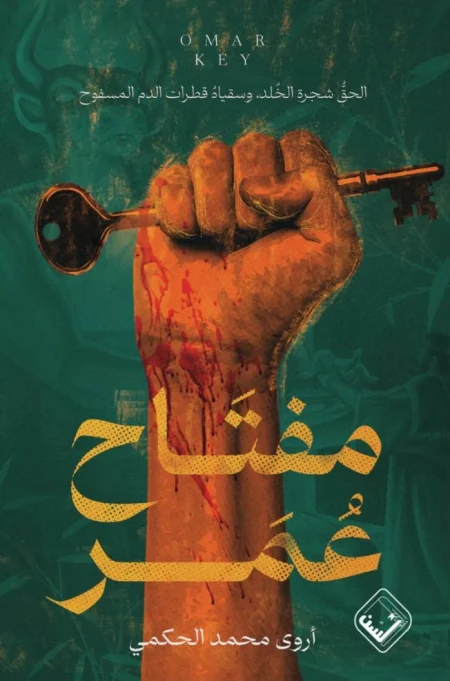









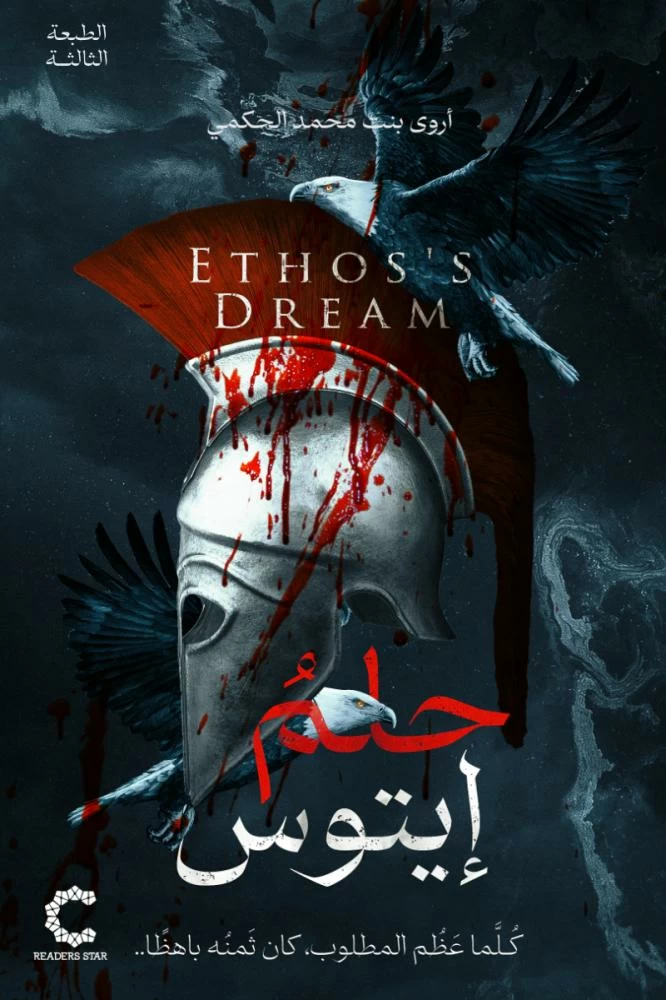
تنسج الكاتبة أروى بنت محمد الحكمي، في روايتها “حلم إيتوس” عالمًا فانتازيًا تتشابك فيه الخيانة والوفاء، وتحكمه السلطة وتتنازع فيه الولاءات، يأخذ الكتاب القراء إلى أجواء الحضارة الإغريقية القديمة، إذ يقف ولي العهد في مواجهة والده الملك، بعدما قرر ألا يظل متفرجًا على الظلم الذي يطال شعبه.
مواجهة الظلم والقهر
تتمحور الرواية حول إيتوس، ولي العهد الذي يحمل تصورًا مختلفًا لمستقبل مملكته، ويجد نفسه أمام سلطة والده التي تمثل بالنسبة إليه مصدرًا للظلم والقهر. وبينما يزداد إيمانه بضرورة التغيير، يبدأ في التحرك بمساندة عدد من الجنود والأصدقاء الذين يشاركونه حلمه، لتتحول المواجهة تدريجيًا من خلاف داخل القصر إلى صراع على مستقبل الإمبراطورية. ولا تبدو مهمة إيتوس سهلة؛ فمواجهة الملك تعني الدخول في طريق محفوف بالمخاطر، كما أن الثقة بمن حوله تصبح اختبارًا مستمرًا، خصوصًا مع اتساع دائرة الصراع وتشابك المصالح. تحالفات تتغير وخيانات تقلب الموازين.
تمنح الحكمي عالم الرواية مجموعة من الشخصيات التي تتقاطع أدوارها مع مسار إيتوس، من بينها ألكساندروس، وطانيوس، وسولون، وهادريان، وأركون، وآلني، إلى جانب شخصيات أخرى مثل كاليجولا وبوروس.
ومن خلال هذه الشخصيات، تتشكل شبكة من العلاقات والتحالفات التي لا تبقى ثابتة، إذ يختبر الصراع حقيقة الولاء، ويكشف مواقف الشخصيات عندما تصبح مصالحها ومعتقداتها على المحك.
فالصداقة تواجه الاختبار، والوفاء يصبح موقفًا لا مجرد كلمة، بينما تستطيع الخيانة أن تغير اتجاه الأحداث وتدفع الشخصيات إلى خيارات لم تكن مستعدة لها. وفي خضم ذلك، لا يغيب الجانب الإنساني عن الرواية؛ فالشخصيات لا تتحرك بدافع الصراع على السلطة وحده، بل تحركها أيضًا مشاعر الحب والخوف والطموح والرغبة في حماية من يؤمنون بهم.
حلم شخصي وقضية شعب
يحمل عنوان الرواية مفتاحًا أساسيًا لفهم رحلة بطلها؛ فـ«حلم إيتوس» لا يتوقف عند رغبة ولي العهد في تغيير واقعه، بل يتسع ليصبح حلمًا مرتبطًا بمصير شعب بأكمله.
ومع تقدم الأحداث، يتحول السعي إلى العدالة إلى مسؤولية تتطلب مواجهة السلطة وتحمل تبعات القرارات.
وتضع الرواية شخصياتها أمام سؤال جوهري: ماذا يمكن أن يفعل الإنسان عندما يصبح تحقيق العدالة مرتبطًا بالتضحية؟ وهل يستطيع الحلم أن يستمر عندما يدفع صاحبه ثمنه؟ ومع تصاعد المواجهات، تتكشف تدريجيًا حقيقة الطريق الذي اختاره إيتوس، وتصل الأحداث إلى لحظات حاسمة يصبح فيها التراجع أكثر صعوبة، فيما تتحدد مصائر الشخصيات وفق مواقفها وخياراتها.
وتقدم «حلم إيتوس» عالمًا يجمع الفانتازيا والدراما والصراع السياسي، وتوظف من خلاله الكاتبة مفاهيم الظلم والعدالة والولاء والخيانة والتضحية، في حكاية يظل فيها الحلم المحرك الأساسي للأحداث، والسؤال الأبرز: هل يمكن لحلم واحد أن يغير مصير إمبراطورية كاملة؟
The writer Arwa bint Muhammad Al-Hakami weaves in her novel “The Dream of Ethos” a fantastical world where betrayal and loyalty intertwine, governed by power and contested loyalties. The book takes readers into the atmosphere of ancient Greek civilization, as the crown prince stands against his father, the king, after deciding he can no longer remain a spectator to the injustice faced by his people.
Confronting Injustice and Oppression
The novel revolves around Ethos, the crown prince who holds a different vision for the future of his kingdom, finding himself in front of his father’s authority, which represents a source of injustice and oppression for him. As his belief in the necessity of change grows, he begins to act with the support of a number of soldiers and friends who share his dream, gradually transforming the confrontation from an internal palace dispute into a struggle for the future of the empire. Ethos’s task does not appear easy; confronting the king means entering a perilous path, and trust in those around him becomes a continuous test, especially as the circle of conflict widens and interests become intertwined. Alliances shift and betrayals turn the scales.
Al-Hakami grants the world of the novel a group of characters whose roles intersect with Ethos’s journey, including Alexandros, Tanius, Solon, Hadrian, Arkon, and Alni, alongside other characters like Caligula and Borus.
Through these characters, a network of relationships and alliances forms that does not remain stable, as the conflict tests the reality of loyalty and reveals the characters’ stances when their interests and beliefs are at stake.
Friendship faces the test, loyalty becomes a stance rather than just a word, while betrayal can change the course of events and push characters into choices they were not prepared for. Amidst this, the human aspect is not absent from the novel; the characters are not driven solely by the struggle for power, but are also motivated by feelings of love, fear, ambition, and the desire to protect those they believe in.
A Personal Dream and a People’s Cause
The title of the novel holds a key to understanding the journey of its hero; “The Dream of Ethos” does not stop at the crown prince’s desire to change his reality, but expands to become a dream linked to the fate of an entire people.
As events progress, the pursuit of justice transforms into a responsibility that requires confronting authority and bearing the consequences of decisions.
The novel places its characters before a fundamental question: What can a person do when achieving justice is tied to sacrifice? Can the dream continue when its owner pays the price? As confrontations escalate, the truth of the path chosen by Ethos gradually unfolds, leading events to critical moments where retreat becomes more difficult, while the fates of the characters are determined by their stances and choices.
“The Dream of Ethos” presents a world that combines fantasy, drama, and political conflict, utilizing concepts of injustice, justice, loyalty, betrayal, and sacrifice, in a tale where the dream remains the primary driving force of events, and the most prominent question is: Can a single dream change the fate of an entire empire?