



 حالة الطقس
منذ بدايات القرن العشرين، اهتمت الكويت بالتعليم باعتباره ضرورة حضارية، وسبيلها نحو النهضة والارتقاء واللحاق بالأمم المتقدمة. وفي الوقت نفسه، قام الكويتيون، ولاسيما الميسورين منهم ممن سافر إلى الخارج وتعرف على أنماط المعيشة فيه، وشاهد معاهد العلم والإقبال على التعليم، بدعم توجهات الحكومة لجهة نشر التعليم وافتتاح المدارس والمساهمة في العملية التربوية والتعليمية، فأثمرت تلك المساعي عن ظهور مدارس نظامية كالمباركية والأحمدية والصباح في الأعوام 1911 و1921 و 1948 على التوالي، علاوة على انتشار عدد من الكتاتيب المتقدمة والمتنوعة في دروسها ومناهجها، واستقدام مدرسين أكفاء من فلسطين ومصر والعراق وبلاد الشام.
وقبل استقلال الكويت سنة 1961 وتحولها من الإمارة إلى الدولة، بأكثر من عقدين تقريباً، استثمرت البلاد جزءاً معتبراً من مداخيل النفط في قطاع التعليم عبر تطبيق نظام تعليمي شامل ومجاني يغطي كافة المراحل، وبناء المزيد من المدارس والمعاهد المتخصصة، وابتعاث البنين والبنات إلى الخارج للالتحاق بالجامعات العربية والأجنبية، بهدف إعداد كوادر وطنية مؤهلة لقيادة البلاد إدارياً وتنموياً.
ومما ورد في الأدبيات التربوية الكويتية، أنه تم في عام 1936 تشكيل أول مجلس للمعارف برئاسة الشيخ عبدالله الجابر الصباح، رحمه الله، وهو المجلس الذي تحول إلى «دائرة المعارف» ثم شكل نواة وزارة التربية والتعليم بعد الاستقلال. وفي عام 1937 أشرف هذا المجلس على تأسيس «المدرسة القبلية» كأول مدرسة نظامية للبنات، وهي المدرسة التي خرّجت أول دفعة من الحاصلات على شهادة الثانوية العامة سنة 1956، وقد تمّ حينها ابتعاث سبع منهن إلى مصر لاستكمال دراستهن الجامعية على نفقة الدولة.
والحقيقة، أن للشيخ عبدالله الجابر دوراً محورياً وطليعياً في تطوير العملية التربوية والتعليمية والارتقاء بأحوالها وأجهزتها ومناهجها ومنسوبيها منذ تسلمه دائرة المعارف، ولاسيما الشق المتعلق بتعليم الفتيات. إذ كان لشخصيته القيادية المتنورة والمؤمنة بأهمية التعليم، وضرورة أن تنال المرأة الكويتية نصيباً مماثلاً ومساوياً لما يتمتع به شقيقها الرجل من فرص، دور محوري في إقناع مجتمع الكويت القبلي، الذي كانت تغلب عليه الأمية وقتذاك، بفوائد إرسال الفتيات إلى المدارس. فقد عرف من واقع خبرته الطويلة والمسؤوليات المتنوعة التي أنيطت به، أن التيار القبلي المحافظ سوف يقف له بالمرصاد، وسوف يتفنن في استخراج أسانيد من بطون الكتب القديمة للقول بأن إخراج النساء من بيوتهن إلى المدارس مفسدة وفتنة وفسوق وتغرب وغير ذلك من الادعاءات والمزاعم. وهذا بالضبط ما حدث حينما قامت قيامة البعض المتشدد، وانطلقت حملة شعواء ضد المشروع إلى درجة أن المدرسة القبلية لم تشهد تسجيل أي فتاة عند افتتاح أبوابها.
لكن عبدالله الجابر لم يأبه، ولم يتراجع، ولجأ إلى أساليب الإقناع والترغيب. وكان مما فعله إرسال بناته إلى المدرسة والإعلان عن ذلك على الملأ، ثم إرسال مجموعة من فتيات الكويت المتعلمات إلى بيوت العائلات الكويتية لإقناعها بضرورة إرسال بناتها إلى المدارس، مع وعد بتلقيهن المزايا والمساعدات والإعانات الحكومية شهرياً، الأمر الذي ساهم كثيراً في تراجع المعارضين عن مواقفهم السابقة.
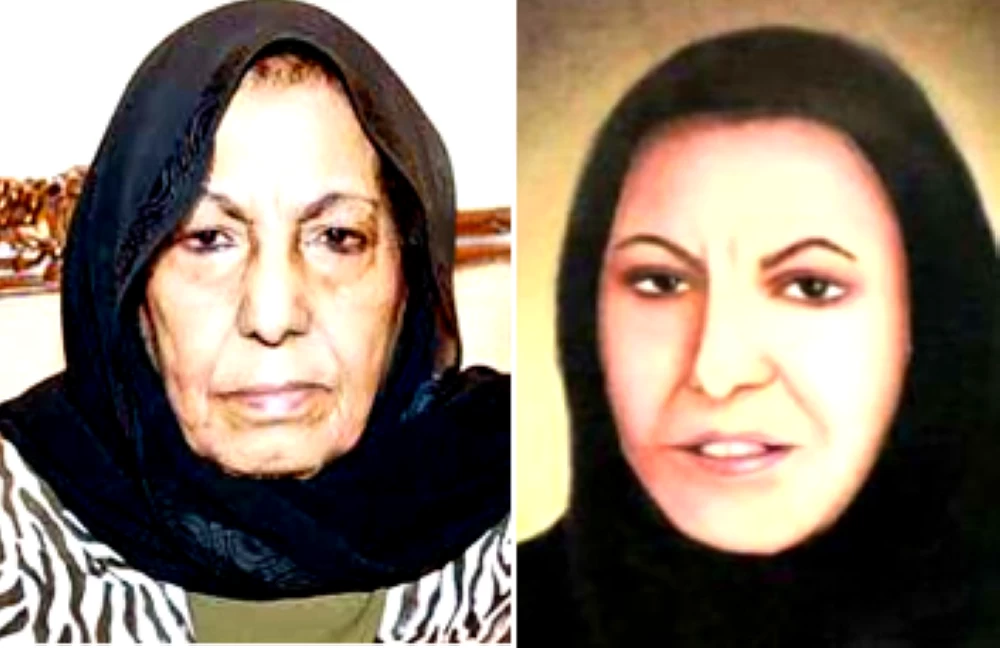
كانت تلك مقدمة ضرورية للحديث عن أول كويتية دخلت مجال تدريس بنات جنسها، من بعد سنوات طويلة، كان فيها لواء تعليم الكويتيات معقوداً لمدرسات فلسطينيات، بل وأيضاً أول ناظرة لمدرسة بنات في تاريخ الكويت، والإشارة هنا إلى السيدة مريم عبدالملك الصالح، التي تعد رائدة تعليم البنات بحق، وواحدة من اللواتي امتهن التدريس بشغف واهتمام وصدق وإخلاص منذ سنوات عمرها المبكرة، كيف لا وهي سليلة أسرة تربوية عريقة، ونشأت في كنف مربٍ جليل من كبار المربين في الكويت. قالت عنها الشيخة الدكتورة سعاد الصباح: «معركة حاسمة قادتها تلك المعلمة النبيلة بكل ما أعطتنا من فيض علمها وفيض كرمها وظلها الظليل.. أعتبرها برجاً من أبراج الكويت ومن أهم حوافز نجاحي في الأمومة وفي فصول الدرس».
ولدت «مريم عبدالملك الصالح المبيض» في 25 سبتمبر 1926 بفريج السبت، المعروف أيضاً بفريج الزنطة من العاصمة الكويت، ابنة لوالدها المربي عبدالملك بن الشيخ صالح بن حمد بن إبراهيم المبيض، الشهير بعبدالملك الصالح المبيض الحنبلي، الذي عكف على تدريسها بنفسه، واجتهد في ذلك كثيراً، ولم يأبه بانتقادات والدته التي كانت تتهمه بتضييع الوقت دون طائل، قائلة: «ما الفائدة من تدريسها وهي لن تعمل كاتبة في الفرضة (الميناء) أو الحفيز (المكتب التجاري)».
وقبل الولوج في توثيق سيرتها، دعونا نلق نظرة على سيرة والدها وجدها. فطبقاً لمقال كتبه المرحوم عبدالله النوري في مجلة «المجتمع» الكويتية (13/10/1970)، فإن الأستاذ عبدالملك الصالح المبيض ولد في الزبير في عام 1891، ابناً لأسرة نجدية من إقليم سدير، كانت قد نزحت إلى الزبير، قبل أن تأتي إلى الكويت وتستقر في منطقة الصالحية في أوائل القرن العشرين، ونجلاً للشيخ صالح بن حمد بن إبراهيم المبيض، عالم الزبير الشرعي وأحد أعلامها وقاضيها ومدرس بنيها.
جاء الشيخ صالح (جد المترجم لها) إلى الزبير، وهو شاب يافع وتزوج ولم ينجب سوى ابنه عبدالملك، وعرف عنه، مدة توليه القضاء، بالعدل وتطبيق أحكام الشرع دون محاباة، وتوفي سنة 1901، تاركاً خلفه زوجته وصغيره عبدالملك، الذي تولت أمه رعايته وجاهدت في سبيل تعليمه القراءة والكتابة، كونها من النساء المتعلمات القليلات في تلك الحقبة، ومن اللواتي اعتمدن في معيشتهن بعد رحيل الزوج على تعليم القرآن الكريم للفتيات والصبية. وبعد سنة من وفاة زوجها، طلبها تاجر اللؤلؤ والمجوهرات الكويتي الأشهر المقيم بمدينة «بمبي» الهندية الشيخ جاسم بن محمد الإبراهيم، لتقوم بتدريس بنات الجالية العربية في بمبي القرآن حفاظاً على لغتهن ولسانهن العربي، فاشترطت أم عبدالملك أن يرافقها ابنها وأن يسكن معها وأن توفر له فرص التعليم في المدارس الهندية. وهكذا سافرت أم عبدالملك مع ولدها إلى الهند، بعد أن تم قبول كافة شروطها. وهناك أدت الأم واجبها على أكمل وجه، فيما تعلم ابنها عبدالملك في المدارس الهندية التي درسته العلوم الحديثة ومسك الدفاتر واللغتين الإنجليزية والأردية كتابة وقراءة وتحدثاً. وأثناء العطل، كانت الأم تعود بابنها إلى مسقط رأسه في الزبير ليتعرف على أرحامه وأقاربه.
وحينما تخطى عبدالملك السابعة عشرة من عمره، عاد مع أمه نهائياً للاستقرار في الزبير، فتتلمذ على يد شيوخ العلم القائمين على التعليم وقتذاك كالشيخ محمد العوجان والشيخ عبدالله بن حمود والشيخ عمر الدايل، وتعلم منهم الكثير من الفقه الحنبلي، وقرأ الأجرومية ومتممتها، وحفظ أشعار العرب وأدبهم وتاريخهم. وبعد بلوغه سن العشرين راح يعتمد على نفسه في كسب رزقه، وأراح والدته من مشقة كسب لقمة العيش، فانتقل إلى الكويت في عام 1916، حيث شارك مجايليه الكويتيين في نشاط الغوص. وفي الكويت، التقى ذات يوم بطريق الصدفة بالشيخ يوسف بن عيسى القناعي، الذي كان وقتها مديراً للمدرسة المباركية، فلما عرف الأخير حكاية عبدالملك وتأكد من تحصيله وقدراته المعرفية، اختاره ليكون ضمن طاقم التدريس بالمباركية. وبعد عامين اتفق عبدالملك الصالح مع زميله في التدريس الشيخ عبدالعزيز الرشيد على افتتاح المدرسة العامرية في المحل المعروف بديوان عامر، بعد أن ضاقت المباركية بطلابها.
وحينما تأسست المدرسة الأحمدية سنة 1921، تحت إشراف الشيخ يوسف بن عيسى القناعي، اختار الأخير عبدالملك الصالح ليكون أول ناظر لها، وظل كذلك حتى سنة 1936 التي تأسست فيها دائرة المعارف تحت قيادة الشيخ عبدالله الجابر الصباح، الذي لم يجد أفضل من عبدالملك الصالح ليسند إليه وظيفة أمين سر أعمال دائرة المعارف والقائم على ماليتها ومخازنها ومحاضر جلساتها. أمضى عبدالملك في وظيفته هذه ثلاث سنوات فقط لأنه اشتاق للتدريس، فوافق الشيخ عبدالله الجابر على إعادته إلى سلك التعليم مديراً ومعلماً بالمدرسة القبلية في عام 1940. وفي 19 يناير 1946، فاضت روحه إلى بارئها، تاركاً خلفه سبعة من الأبناء وثلاثاً من البنات، جميعهم من الشخصيات التي ساهمت في مجالات التربية وغيرها لصالح ازدهار الكويت. ومن بينهم صالح عبدالملك الصالح (أخ المترجم لها الذي يكبرها بست سنوات) وهو أول أمين سر لدائرة المعارف الكويتية ومعلم وناظر ونائب سابق، وأمسك حقيبة التربية والتعليم في الفترة من 1966 إلى 1971، وتولى أيضاً حقيبة البرق والبريد والهاتف وحقيبة الكهرباء والماء. ومن بينهم أيضاً عثمان عبدالملك الصالح (أخ المترجم لها الذي يصغرها بـ14 عاماً)، وهو عميد سابق لكلية الحقوق بجامعة الكويت ومستشار وفقيه دستوري سابق بمجلس الأمة الكويتي.
وبالعودة إلى سيرة مريم عبدالملك الصالح، وهي الأولى ضمن ثلاث فتيات أنجبهم عبدالملك الصالح، نجد أنها درست ابتداء عند المطوعة نورة اليحيى حيث نجحت في ختم القرآن الكريم خلال ستة أشهر في عام 1930، وهي ابنة الأربع السنوات فقط، الأمر الذي برهن على ذكائها وشغفها المبكر بالتعليم وتجاوبها الفطري مع متطلبات الدراسة. كما درست عند الملاية بدرية بنت مطرة والملاية مريم العسكر، وتأثرت بشخصية وعلوم جدتها المطوعة حصة عبدالرحمن الحنيف. بعد ذلك التحقت مريم بمدرسة افتتحها المربي سيد عمر عاصم الأزميري الحسني (1870 ــ 1950) مع زوجته عائشة وابنته زهرة لتعليم الحساب والحياكة والتطريز. وبعد إغلاق هذه المدرسة بسبب سفر زهرة الأزميري مع زوجها، تولى والدها تعليمها منهج مدرسة المباركية الذي كان يدرسه للأولاد، واستمر في ذلك قرابة سبع سنوات.
تعليم الفتيات النظامي
المنعطف الأبرز في حياتها كان في عام 1938، وهو العام الذي شهد بدء التعليم النظامي للفتيات في الكويت، ففيه شمرت عن سواعدها ونزلت ميدان التدريس حاملة مشعل العلم، وهي في الثانية عشرة من العمر، فأوكل إليها تدريس الصف التمهيدي، الذي كان يسمى «البستان» بالمدرسة الوسطى الأميرية في المرقاب. وبعد ثماني سنوات من العمل في سلك التعليم واكتساب الخبرات والمهارات تمّ تعيينها ناظرة لمدرسة الزهراء في عام 1946، فدخلت التاريخ كأول ناظرة كويتية بعد أن دخلته كأول معلمة كويتية، حيث يذكر لها، أنها إلى جانب وظيفتها الأساسية كناظرة تولت مهام الوكيلة والسكرتيرة وأمينة المخزن، علاوة على تدريس 12 حصة في الأسبوع.
انقطعت مريم عن العمل التربوي لمدة قصيرة بسبب زواجها من جاسم الطليحي وإنجابها طفلين، لكنها عادت إليه من خلال العمل بوزارة المعارف كموظفة لشؤون الطلبة، ثم كرئيسة لقسم أموال الموظفات، فمراقبة بمكتب وكيل الوزارة إلى أن تقاعدت في عام 1982، بعد 25 عاماً في سلك التدريس و15 عاماً من العمل الإداري في إدارات وأقسام وزارة المعارف. ومما يذكر عنها، أنه عندما بدأت الكويت في إطلاق دبلوم التربية النسوية للفتيات لتأهيلهن للتدريس بمدارس البنات النظامية، حرصت مريم على الالتحاق بالبرنامج لتزداد معرفة وعلماً، واستطاعت أن تنال الدبلوم المذكور الذي بفضله انتقلت من المدرسة الوسطى بالمرقاب إلى المدرسة الجديدة في منزل الشيخ أحمد الخميس بمنطقة القبلة، ومن ثمّ منحت وظيفة الناظرة بمدرسة الزهراء، كما أسلفنا.
توثيق رحلتها التربوية
قبل تقاعدها، حرصت على توثيق تجربتها التربوية الفريدة في كتاب، فأصدرت في عام 1975 كتاب «التطور التاريخي لتعليم الفتاة في الكويت»، أما بعد تقاعدها فقد افتتحت في عام 1985 مدرستها الخاصة تحت اسم «جوهرة الصالح»، والتحقت بالمعهد الديني لتكتسب المزيد من العلوم الشرعية، وكي تكمل فيه رسمياً مرحلة الدراسة الثانوية. ويقال، إن مريم العاشقة للعلم والتحصيل أرادت إكمال دراستها الجامعية في كلية الشريعة بجامعة الكويت بعد عام 1990، لولا وقوع ابنها محمد أسيراً في أيدي قوات الاحتلال العراقي.
من الكتب التي صدرت عن حياة مريم ومسيرتها التربوية الزاخرة كتاب «لكل زمان نهضة وإنسان ــ مريم عبدالملك الصالح المبيض، أول معلمة في تاريخ الكويت» لمؤلفته المؤرخة المختصة بشؤون المرأة الكويتية «إبرار أحمد ملك»، وفيه حديث مشوق عنها وعن أسرتها بدءاً من جدها لأمها الغيص عبدالعزيز المنيع، وجدها لأبيها صالح المبيض.
وأخيراً، فقد كرمت الدولة مريم بإطلاق اسمها على إحدى مدارسها، مثل ما فعلت مع والدها المربي عبدالملك الصالح ومع جدتها المطوعة حصة عبدالرحمن الحنيف.
Since the early twentieth century, Kuwait has been concerned with education as a civilizational necessity and a means to progress, uplift, and catch up with advanced nations. At the same time, Kuwaitis, especially those who were well-off and traveled abroad, became familiar with different lifestyles, witnessed educational institutions, and embraced education. They supported the government’s efforts to spread education, open schools, and contribute to the educational process. These efforts resulted in the establishment of formal schools such as Al-Mubarakiya, Al-Ahmadiya, and Al-Sabah in 1911, 1921, and 1948, respectively, in addition to the proliferation of various advanced kuttabs with diverse lessons and curricula, and the recruitment of qualified teachers from Palestine, Egypt, Iraq, and the Levant.
Before Kuwait’s independence in 1961 and its transition from an emirate to a state, the country invested a significant portion of its oil revenues in the education sector by implementing a comprehensive and free educational system covering all stages, building more schools and specialized institutes, and sending boys and girls abroad to enroll in Arab and foreign universities, with the aim of preparing qualified national cadres to lead the country administratively and developmentally.
According to Kuwaiti educational literature, the first Education Council was formed in 1936, chaired by Sheikh Abdullah Al-Jaber Al-Sabah, may he rest in peace. This council later transformed into the “Department of Education” and became the nucleus of the Ministry of Education after independence. In 1937, this council oversaw the establishment of the “Qabaliya School” as the first formal school for girls, which graduated its first class of female students with a high school diploma in 1956. At that time, seven of them were sent to Egypt to continue their university studies at the state’s expense.
In fact, Sheikh Abdullah Al-Jaber played a pivotal and leading role in developing the educational process and improving its conditions, systems, curricula, and personnel since he took over the Department of Education, especially in the aspect related to girls’ education. His enlightened leadership and belief in the importance of education, and the necessity for Kuwaiti women to receive equal opportunities to those of their male counterparts, were crucial in convincing the tribal society of Kuwait, which was largely illiterate at the time, of the benefits of sending girls to school. He understood from his long experience and the various responsibilities assigned to him that the conservative tribal current would oppose him and would skillfully extract justifications from ancient texts to claim that sending women out of their homes to schools was corrupt, a temptation, and a deviation, among other allegations. This is exactly what happened when some extremists reacted, launching a fierce campaign against the project to the extent that the Qabaliya School did not witness any girl enrollment when it opened its doors.
However, Abdullah Al-Jaber did not relent or retreat; he resorted to persuasion and encouragement. Among his actions was sending his daughters to school and publicly announcing it, then sending a group of educated Kuwaiti girls to the homes of Kuwaiti families to convince them of the necessity of sending their daughters to school, with a promise that they would receive monthly benefits and government assistance, which significantly contributed to the retraction of opponents from their previous positions.
This was a necessary introduction to discuss the first Kuwaiti woman who entered the field of teaching her female peers, after many years when the education of Kuwaiti girls was primarily entrusted to Palestinian teachers, and also the first female principal of a girls’ school in Kuwait’s history, referring to Mrs. Mariam Abdul-Malik Al-Saleh, who is truly considered a pioneer in girls’ education and one of those who passionately and sincerely pursued teaching from her early years, being a descendant of a distinguished educational family and raised under the guidance of a prominent educator in Kuwait. Sheikh Dr. Suad Al-Sabah described her as: “A decisive battle led by that noble teacher with all the abundance of her knowledge and generosity, and her shade… I consider her a tower among the towers of Kuwait and one of the most important incentives for my success in motherhood and in the classroom.”
Mariam Abdul-Malik Al-Saleh Al-Mubaid was born on September 25, 1926, in Farij Al-Sabti, also known as Farij Al-Zanta, in the capital of Kuwait, to her father, educator Abdul-Malik bin Sheikh Saleh bin Hamad bin Ibrahim Al-Mubaid, known as Abdul-Malik Al-Saleh Al-Mubaid Al-Hanbali, who dedicated himself to teaching her personally and worked hard at it, ignoring the criticisms of her mother, who accused him of wasting time without benefit, saying: “What is the use of teaching her when she will not work as a writer in the port or a clerk in the commercial office?”
Before delving into documenting her biography, let us take a look at the biography of her father and grandfather. According to an article written by the late Abdullah Al-Nouri in the Kuwaiti magazine “Al-Mujtama” (13/10/1970), Professor Abdul-Malik Al-Saleh Al-Mubaid was born in Al-Zubair in 1891, to a Najdi family from the Al-Sudair region, which had migrated to Al-Zubair before coming to Kuwait and settling in the Al-Salihiyah area in the early twentieth century, and he was the son of Sheikh Saleh bin Hamad bin Ibrahim Al-Mubaid, a legal scholar of Al-Zubair and one of its prominent figures, judges, and teachers.
Sheikh Saleh (the grandfather of the translator) came to Al-Zubair as a young man, married, and had only one son, Abdul-Malik. He was known during his tenure as a judge for his justice and application of Sharia without favoritism, and he passed away in 1901, leaving behind his wife and young son Abdul-Malik, whom his mother raised and struggled to educate in reading and writing, as she was one of the few educated women of that era, and one of those who relied on teaching the Quran to girls and boys for her livelihood after her husband’s passing. A year after her husband’s death, the famous Kuwaiti pearl and jewelry merchant residing in the Indian city of “Bombay,” Sheikh Jassim bin Mohammed Al-Ibrahim, requested her to teach the daughters of the Arab community in Bombay the Quran to preserve their language and Arabic tongue. Mariam’s mother stipulated that her son accompany her, live with her, and be provided with educational opportunities in Indian schools. Thus, Mariam’s mother traveled with her son to India after all her conditions were accepted. There, the mother fulfilled her duty perfectly, while her son Abdul-Malik learned in Indian schools, where he studied modern sciences, bookkeeping, and both English and Urdu languages in writing, reading, and speaking. During vacations, the mother would return with her son to his birthplace in Al-Zubair to meet his relatives and kin.
When Abdul-Malik turned seventeen, he returned with his mother permanently to settle in Al-Zubair, where he studied under the scholars of the time, such as Sheikh Mohammed Al-Awjan, Sheikh Abdullah bin Hamoud, and Sheikh Omar Al-Dail, learning a great deal of Hanbali jurisprudence, reading Al-Ajurumiyyah and its completion, and memorizing Arab poetry, literature, and history. After reaching the age of twenty, he began to rely on himself for his livelihood, relieving his mother of the burden of earning a living, and moved to Kuwait in 1916, where he participated with his Kuwaiti peers in diving activities. In Kuwait, he coincidentally met Sheikh Yusuf bin Isa Al-Quna’i, who was then the director of Al-Mubarakiya School. When the latter learned about Abdul-Malik’s story and confirmed his knowledge and capabilities, he chose him to be part of the teaching staff at Al-Mubarakiya. After two years, Abdul-Malik Al-Saleh agreed with his teaching colleague Sheikh Abdulaziz Al-Rashid to open Al-Amiriyah School in the place known as Diwan Amer, after Al-Mubarakiya became overcrowded with students.
When Al-Ahmadiya School was established in 1921, under the supervision of Sheikh Yusuf bin Isa Al-Quna’i, the latter chose Abdul-Malik Al-Saleh to be its first principal, and he remained so until 1936 when the Department of Education was established under the leadership of Sheikh Abdullah Al-Jaber Al-Sabah, who could not find anyone better than Abdul-Malik Al-Saleh to assign him the position of Secretary of the Department’s affairs, overseeing its finances, warehouses, and session minutes. Abdul-Malik spent only three years in this position because he longed to return to teaching, so Sheikh Abdullah Al-Jaber agreed to reinstate him in the education sector as the director and teacher at the Qabaliya School in 1940. On January 19, 1946, his soul departed to his Creator, leaving behind seven sons and three daughters, all of whom were figures who contributed to education and other fields for the benefit of Kuwait’s prosperity. Among them was Saleh Abdul-Malik Al-Saleh (the brother of the translator, who is six years older than her), the first Secretary of the Kuwaiti Education Department, a teacher, principal, and former deputy, who held the Ministry of Education from 1966 to 1971, and also held the portfolios of Post, Telegraph, and Telephone, as well as Electricity and Water. Among them was also Othman Abdul-Malik Al-Saleh (the brother of the translator, who is fourteen years younger than her), a former dean of the Faculty of Law at Kuwait University and a former constitutional advisor and jurist in the Kuwaiti National Assembly.
Returning to the biography of Mariam Abdul-Malik Al-Saleh, the first among the three daughters born to Abdul-Malik Al-Saleh, we find that she began her studies under the teacher Noura Al-Yahya, where she successfully completed the Quran in six months in 1930, at only four years old, which demonstrated her intelligence and early passion for education and her innate responsiveness to the demands of study. She also studied under the teacher Badriya bint Matar and teacher Mariam Al-Askar, and was influenced by the personality and knowledge of her grandmother, the teacher Hessa Abdul-Rahman Al-Hanif. After that, Mariam joined a school opened by the educator Sayyid Omar Asim Al-Azmeri Al-Hassani (1870-1950) with his wife Aisha and daughter Zahra to teach arithmetic, sewing, and embroidery. After this school closed due to Zahra Al-Azmeri’s travel with her husband, her father took over her education using the curriculum of Al-Mubarakiya School, which he taught to boys, and continued this for nearly seven years.
Formal Education for Girls
The most significant turning point in her life came in 1938, the year that witnessed the beginning of formal education for girls in Kuwait. In that year, she rolled up her sleeves and entered the teaching field, carrying the torch of knowledge at the age of twelve, and was assigned to teach the kindergarten class, known as “Al-Bustan,” at the Amiri Intermediate School in Al-Mirqab. After eight years of working in education and gaining experience and skills, she was appointed as the principal of Al-Zahra School in 1946, entering history as the first Kuwaiti female principal after having entered it as the first Kuwaiti female teacher. It is noted that in addition to her primary role as principal, she took on the duties of deputy, secretary, and storekeeper, in addition to teaching 12 classes a week.
Mariam took a short break from educational work due to her marriage to Jassim Al-Talahi and the birth of two children, but she returned to it by working in the Ministry of Education as a student affairs employee, then as head of the female employees’ funds department, and as a supervisor in the office of the Undersecretary of the Ministry until her retirement in 1982, after 25 years in teaching and 15 years of administrative work in the departments and sections of the Ministry of Education. It is mentioned that when Kuwait began to launch a diploma in women’s education for girls to qualify them for teaching in formal girls’ schools, Mariam was keen to join the program to increase her knowledge and was able to obtain the mentioned diploma, which allowed her to move from the intermediate school in Al-Mirqab to the new school in the house of Sheikh Ahmad Al-Khamees in the Qibla area, and then she was granted the position of principal at Al-Zahra School, as previously mentioned.
Documenting Her Educational Journey
Before her retirement, she was keen to document her unique educational experience in a book, publishing in 1975 the book “The Historical Development of Girls’ Education in Kuwait.” After her retirement, she opened her private school in 1985 under the name “Jewel of Al-Saleh” and enrolled in a religious institute to gain more knowledge of Islamic jurisprudence and to officially complete her secondary education. It is said that Mariam, who loved knowledge and learning, wanted to continue her university studies in the Faculty of Sharia at Kuwait University after 1990, had it not been for her son Mohammed being captured by Iraqi occupation forces.
Among the books published about Mariam and her rich educational journey is “Every Era Has Its Renaissance and Human – Mariam Abdul-Malik Al-Saleh Al-Mubaid, the First Teacher in the History of Kuwait,” authored by the historian specializing in Kuwaiti women’s affairs, “Ibrar Ahmed Malik,” which contains an interesting discussion about her and her family, starting from her maternal grandfather, the pearl merchant Abdul-Aziz Al-Munai, and her paternal grandfather, Saleh Al-Mubaid.
Finally, the state honored Mariam by naming one of its schools after her, just as it did with her father, educator Abdul-Malik Al-Saleh, and her grandmother, teacher Hessa Abdul-Rahman Al-Hanif.