








تحظى الفنون في بلادنا بنقلات نوعيّة للحاق بركب العالمية، ورفد المبدعين من المواهب بنقلهم من ساحة الهوايات إلى محضن الاحتراف، وما صدور الأمر الملكي بإنشاء جامعة الرياض للفنون، إلا دليل عناية واهتمام القيادة بالقدرات وتأهيلها لتسهم في حضور الوطن في المحافل الدولية للمنافسة بالقوة الناعمة.
ولن تنسى النخب ما عانته الفنون من فوبيا التحريم، وأعداء الجمال الذين تصدّوا لكثير من الأعمال وعطلوها بحجج واهية، وأدخلوا الفنون الجميلة وأشكال الإبداع البصرية؛ ومنها الرسم والنحت والمسرح والسينما، مما يهدف إلى تحقيق الجمال، دائرة فرض وصاية لأكثر من ربع قرن، وجاء الأمر الملكي في وقته، فالمملكة بتاريخها وجغرافيتها تحوي وتضم ثراءً في كل فنّ على مستوى القولي والأدائي، والتشكيلي والتعبيري، ما يفرض الحاجة إلى كليات متخصصة لتنمية الذوق الجمالي والمهارات الإبداعية، وتنمية العنصر البشري عبر البحث والتجريب.
وأنصف القرار القوة الناعمة بإعداد كفاءات من المتخصصين في مجالات الفن المختلفة، وتأصيل الوعي الجمالي والثقافي في المجتمع، ومواكبة حداثة الأدب والفنون، وربط المناهج التعليمية بأساليب فنية حديثة.
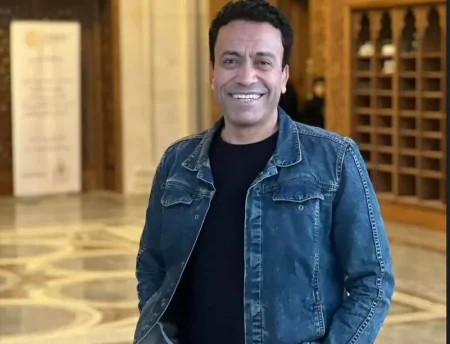
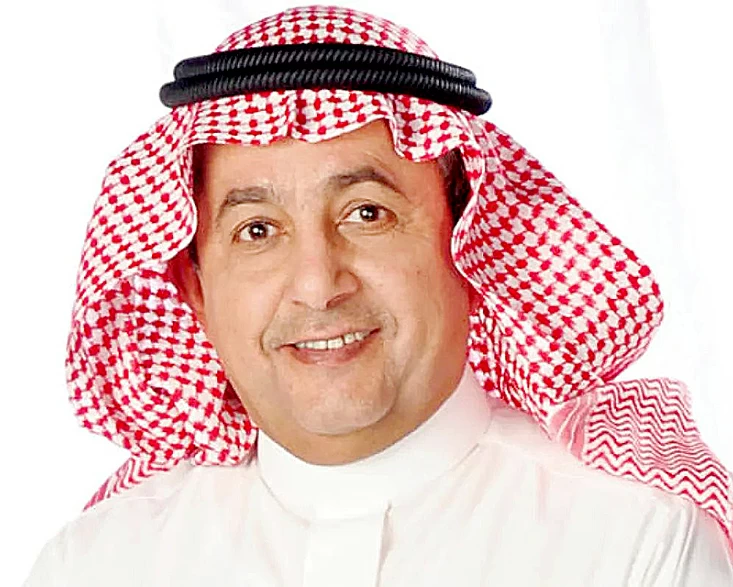
ويذهب الكاتب داوود الشريان إلى أن من يتابع الجهود التي تقودها وزارة الثقافة في تأصيل الفنون والثقافة السعودية؛ المادية والمعنوية، يدرك أن الأمر الملكي بتأسيس جامعة الرياض للفنون، يأتي تكريساً لهذا المسار المؤسسي ودعماً له، وتعزيزاً لدور الفنون في بناء الهوية الثقافية الوطنية.
فيما رأت عميدة كلية الفنون في جامعة الملك سعود الدكتورة منى المالكي، أن الثقافة ليست مجرد تراكم معلومات أو طقوس اجتماعية، بل منظومة متكاملة لفهم الإنسان وعلاقاته بمحيطه. وعدّت دراسة الفنون والآداب كشفاً عن نبض المجتمعات، وتسليط ضوء على تحولاتها الاجتماعية والسياسية والاقتصادية عبر الزمن، لافتةً إلى أن الروايات والمسرحيات واللوحات الفنية والموسيقى، مرايا تعكس أحلام الناس ومخاوفهم وتطلعاتهم، بل وتوثّق التفاصيل الدقيقة للحياة اليومية، ويمكن للباحثين تحليل الأعمال، والتنبؤ بالاتجاهات القادمة للمجتمعات، وفهم كيف تتغير القيم والسلوكيات، مضيفةً أن الفن والأدب ليسا مجرد ترف فكري، بل أدوات لفهم صراعات الهوية والتناقضات الإنسانية، كما أن الاطلاع على التجارب الثقافية المختلفة، يقوي الصلة بالتسامح والانفتاح على الآخر، ويغني الحسّ النقدي لدينا، مشيرةً إلى أن دراسة الفنون والآداب ليست رفاهية، بل ضرورة لفهم حاضرنا واستشراف مستقبلنا.
وعدّ الكاتب المسرحي فهد ردة الحارثي قرار تأسيس جامعة الرياض للفنون من القرارات النوعية، كونه ليس مجرد توسع تعليمي تقليدي، موضحاً أنه يمكن قراءة القرار على ثلاثة مستويات؛ التوقيت، والأثر الآني، والأثر المستقبلي، لافتاً إلى أن في جوهر القرار تحوّلاً إستراتيجياً عبر تعريف التعليم الجامعي لدينا، ونقل الفنون من الهامش (كهواية أو نشاط) إلى قطاع مؤسسي أكاديمي كامل يؤسس لمسار مهني واضح للفنانين (موسيقى، سينما، مسرح، تصميم) ويربط الثقافة بالاقتصاد، وليس فقط بالهوية، مشيراً إلى أنه لم يعد الهدف إنتاج فن بل بناء صناعة فن، ما يتسق مباشرة مع توجهات رؤية السعودية 2030 التي تتعامل مع الثقافة؛ باعتبارها قطاعاً اقتصادياً واعداً، مضيفاً أنه، خلال الأعوام الأخيرة، توسعت هيئات الثقافة والفنون ونشأت مواسم وفعاليات (مثل السينما والمسرح) وزاد الطلب على المحتوى المحلي، إلا أنه ظل هناك نقص في الكوادر المؤهلة أكاديمياً والجامعة معنيّة بسد هذه الفجوة.
وذهب إلى أن التوقعات تشير إلى نمو القطاع الثقافي والفني ما يوفر مئات الآلاف من الوظائف، خصوصاً مع دخول الموسيقى والمسرح للتعليم والحاجة لمن يدرسها. ويرى أن من أهم ميزات القرار رفع مكانة الفنون اجتماعياً، وإعطاء شرعية أكاديمية للفنون، وتغيير نظرة المجتمع تدريجياً نحوها كمهنة، وسيدرس الطلاب الذين كانوا يسافرون للخارج في وطنهم. ويؤكد أن وجود الجامعة محفّز للسوق الفنية إذ ستجد شركات الإنتاج، التصميم، الترفيه، كوادر محلية، ما يسهم في تقليص الاعتماد على الاستيراد الفني.
ويرى القرار في جملته إستراتيجياً، وليس رمزياً، وجاء في وقت نضج واستعداد السوق له ما يمكّن من تنظيم وتمكين القطاعات الفنية والثقافية، ويعود بالأثر الكبير على المهن الفنية والعاملين بها.
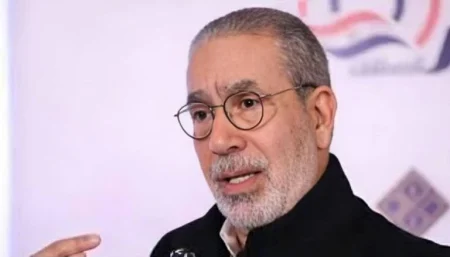
ويرى المؤرخ الثقافي محمد بن ربيع الغامدي، أن الجامعة (أي جامعة) ليست مجرد مدرجات، بل العقل العميق للوطن الذي يدير عدة عمليات في آن؛ فهي المصنع، وبيت الخبرة، والمختبر، وضابط البوصلة، ما يجعلها قادرة على التحول من مؤسسة إلى فرصة اجتماعية، تفتح أبواب الصعود لمن لا يملك إلا جهده، وتعيد تشكيل الوعي، وتزرع قيم المسؤولية، ومعاني الحوار، وقبول الاختلاف، وتقوم على حراسة المعنى وتطويره، وحفظ الذاكرة، وإنتاج المعرفة، وتفكيك المسلّمات (لفهمها وليس لهدمها).
ولفت إلى أن الفنون تعمل على تأصيل الفن؛ بوصفه معرفة فوق كونه موهبة، وتهيئ مناخات التجريب، فالمصيب في أروقتها مأجور والمخطئ فيها ليس مذنباً، وتخرّج ممارساً واعياً، وفناناً يعرف أنه لا ينطلق من فراغ، وتقيم جسراً بين النظرية والتطبيق، فالفن من غير تجربة وتطبيق لا يخرج عن تنظيرات مملة، والفنان من غير نظريات هو مجرد (صنايعي) وتوقع أن تكون جامعة الرياض للفنون بنية تحتية للفن (فوق أنها للتعليم) وتؤدي دور المنتج الصامت، من خلال مرافقها المنتظرة (استوديوهات سينما للتصوير والمونتاج والدوبلاج) وتقيم ورش تشكيل (رسم، نحت، حفر) ومسارح وصالات عرض واستوديوهات موسيقى وأداء، كل هذا كي لا تتورط الجامعة في معضلة تجارب سابقة (تخريج نقاد بلا فن). ويراها حاضنة إنتاج تموّل مشاريع الطلاب (أفلام قصيرة، معارض، عروض) وتحتضن الفرق الفنية داخلها (فرق تمثيل، موسيقى، أداء) وتنظم مواسم عرض لا مجرد فعاليات عابرة، وفوق هذا تتيح للفنان أن يفشل وأن يعيد المحاولة.
وعدّها جسراً متيناً إلى السوق، فالفن من غير سوق مجرد ورود بلاستيكية، إلا أنه ينتعش عبر شراكات الجامعة مع دور السينما، المسارح، المعارض، وعبر إقامة مهرجانات جامعية مفتوحة للجمهور، ومن خلال ربط الطلاب بشركات الإنتاج، القنوات، الجهات الثقافية لتحويل المشاريع الطلابية إلى منتجات قابلة للتداول فنكسر قاعدة «الفن ما يوكّل عيش».
وذهب إلى أنها بيت نقد لا بيت تلقين، ويراه أجمل أدوارها، عندما تكرس لتعليم القراءة النقدية للفنون وخلق حوار بين الفنانين والنقاد، وتدريب الطالب على الدفاع عن عمله لا تبريره، وربط الفن بسياقه (اجتماعياً، فلسفياً، تاريخياً) كون الفن بلا نقد يتحول إلى مهارات شخصية إعجازية، والنقد بلا فن يتحول إلى كلام في الهواء، متطلعاً إلى أن تقوم مقام الحارس الأمين للتنوع الفني، لا تفرض ذوقاً واحداً، بل توسّع الذائقة فتحتضن التالد (وتوثقه علمياً) وتشجع التجريب لتخلق حواراً بين القديم والجديد.
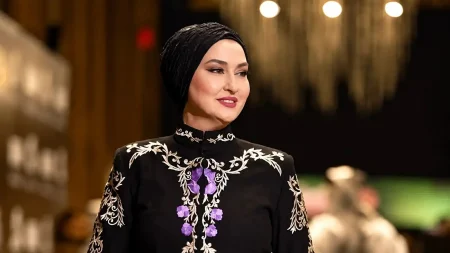
فيما هنأت التشكيلية دنيا الصالح كل مبدع ومهتم وأبناء وبنات الوطن بقرار تأسيس جامعة الرياض للفنون، وتراه نقطة تحول عظيمة، وبشرى خير للجميع، خصوصاً في هذا التوقيت، وتزامناً مع هذه النهضة التي اعتمدتها الدولة للارتقاء بالإنسان في شتى مجالات الحياة وأهمها المجال الإبداعي، وتؤكد أن القرار أعاد للفنانين ثقتهم بإبداعهم ومنجزاتهم، وأرجع للفن مكانته الرفيعة، ودوره العظيم في تربية النفس، وتهذيب السلوك، متطلعة لتعزيز دور الفن ومساندته للطب النفسي، وتوظيفه في العلاج، لتستفيد منه شرائح متعددة، إضافة إلى مراكز الرعاية الاجتماعية، ومراكز التاهيل، متشوّفةً لاستعادة قاعات العرض مكانتها المرموقة، لافتةً إلى أن الخطوة القادمة ستتجه نحو متحف يضم أعمال الفنانين السعوديين من أجيال متعاقبة.
وكان أمرٌ ملكي يقضي باعتماد تأسيس جامعة الرياض للفنون وفق نظامها الخاص، قد صدر منذ أيام، على أن يكون مقرها مدينة الرياض، لتكون جامعة متخصصة في مجالات الثقافة والفنون بإشراف وزارة الثقافة، وتضم 13 كلية للفنون تغطي تخصصات عدة؛ من بينها المسرح والموسيقى والإدارة الثقافية والفنون البصرية والتصوير والفنون الرقمية وتاريخ الفن، وتنطلق الدفعة الأولى عبر ثلاث كليات رئيسية؛ كلية المسرح والفنون الأدائية، كلية الموسيقى، وكلية الفنون، وتقدم برامج تعليمية في مختلف الدرجات الأكاديمية، منها الدبلوم والبكالوريوس والدبلوم العالي والماجستير والدكتوراه، إضافة إلى البرامج القصيرة، وتستقطب 30 ألف طالب وطالبة بحلول 2040، وتخطط لتدريب 1500 معلم لدعم منظومة التعليم الثقافي والفني في المملكة.
ويقع مقر الجامعة في حي عرقة بمدينة الرياض، وستغدو منصة تعليمية متخصصة، تسهم في تنمية المواهب الوطنية وتعزز حضور المملكة في المشهد الثقافي والإبداعي العالمي، في خطوة تعكس الاهتمام المتنامي بتطوير القطاع الثقافي وتعزيز التعليم المتخصص في المجالات الإبداعية بالمملكة، وتكون مؤسسة تعليمية مستقلة تتمتع بالشخصية الاعتبارية والاستقلال المالي والإداري، وتقدم برامج أكاديمية متخصصة في مجالات الثقافة والفنون وفق أفضل الممارسات العالمية في التعليم الفني والثقافي، وتهدف هذه البرامج إلى تأهيل كوادر وطنية قادرة على الإسهام في تطوير القطاعات الثقافية والإبداعية، بما يعزز مكانة المملكة مركزاً ثقافياً وإبداعياً في المنطقة.
ومن المتوقع أن تبني الجامعة منظومة تعليمية متقدمة قائمة على الشراكات الأكاديمية مع مؤسسات تعليمية دولية مرموقة، ما يعزز تبادل الخبرات الأكاديمية وتطوير البرامج التعليمية، ويواكب التطورات العالمية في التعليم الثقافي والفني.
فيما أكد وزير الثقافة الأمير بدر بن عبدالله بن فرحان، أن جامعة الرياض للفنون ستسهم في رفد القطاع الثقافي بكفاءات وطنية مبدعة، مع تطلعها إلى أن تكون ضمن قائمة أفضل 50 جامعة متخصصة في الثقافة والفنون عالمياً.
The arts in our country are experiencing significant advancements to catch up with global standards, supporting talented creators by transitioning them from the realm of hobbies to the embrace of professionalism. The issuance of the royal decree to establish Riyadh University of Arts is a testament to the leadership’s care and attention to capabilities and their qualification to contribute to the nation’s presence in international forums, competing with soft power.
The elite will not forget the struggles that the arts faced from the phobia of prohibition and the enemies of beauty who opposed many works and hindered them with flimsy excuses. They introduced fine arts and forms of visual creativity, including painting, sculpture, theater, and cinema, which aim to achieve beauty, under a guardianship imposed for more than a quarter of a century. The royal decree came at the right time, as the Kingdom, with its history and geography, contains and encompasses richness in every art at the levels of verbal, performative, visual, and expressive, necessitating specialized colleges to develop aesthetic taste and creative skills, and to enhance human resources through research and experimentation.
The decision has fairly recognized soft power by preparing competencies of specialists in various fields of art, establishing aesthetic and cultural awareness in society, keeping pace with the modernity of literature and arts, and linking educational curricula with modern artistic methods.
The writer Dawood Al-Sharyan believes that anyone following the efforts led by the Ministry of Culture in establishing Saudi arts and culture, both material and moral, realizes that the royal decree to establish Riyadh University of Arts is a consolidation of this institutional path and a support for it, enhancing the role of arts in building the national cultural identity.
Meanwhile, Dr. Mona Al-Maliki, the Dean of the College of Arts at King Saud University, sees culture not merely as a collection of information or social rituals, but as an integrated system for understanding human beings and their relationships with their surroundings. She considers the study of arts and literature as a revelation of the pulse of societies, shedding light on their social, political, and economic transformations over time, pointing out that novels, plays, artworks, and music are mirrors reflecting people’s dreams, fears, and aspirations, and documenting the intricate details of daily life. Researchers can analyze works, predict upcoming societal trends, and understand how values and behaviors change. She adds that art and literature are not merely intellectual luxuries, but tools for understanding identity conflicts and human contradictions. Additionally, exposure to various cultural experiences strengthens the connection to tolerance and openness to others, enriching our critical sense. She emphasizes that studying arts and literature is not a luxury but a necessity for understanding our present and envisioning our future.
The playwright Fahd Redha Al-Harithi considers the decision to establish Riyadh University of Arts as one of the qualitative decisions, as it is not just a traditional educational expansion. He explains that the decision can be read on three levels: timing, immediate impact, and future impact, noting that at the core of the decision is a strategic transformation through redefining university education in our context, moving the arts from the margins (as a hobby or activity) to a complete institutional academic sector that establishes a clear professional path for artists (music, cinema, theater, design) and connects culture with the economy, not just with identity. He points out that the goal is no longer just to produce art but to build an art industry, which aligns directly with the directions of Saudi Vision 2030 that treats culture as a promising economic sector. He adds that in recent years, cultural and artistic bodies have expanded, seasons and events (such as cinema and theater) have emerged, and demand for local content has increased, yet there remains a shortage of academically qualified personnel, and the university is concerned with bridging this gap.
He indicates that forecasts suggest growth in the cultural and artistic sector, which will provide hundreds of thousands of jobs, especially with the introduction of music and theater into education and the need for those who teach them. He sees one of the most important features of the decision as raising the social status of the arts, granting academic legitimacy to the arts, and gradually changing the community’s perception of them as a profession. Students who previously traveled abroad will study in their homeland. He emphasizes that the presence of the university is a motivator for the art market, as production, design, and entertainment companies will find local talents, contributing to reducing reliance on artistic imports.
He views the decision as strategic, not symbolic, and it came at a time when the market is mature and ready for it, enabling the organization and empowerment of artistic and cultural sectors, which will have a significant impact on artistic professions and those working in them.
Cultural historian Mohammed bin Rabee Al-Ghamdi believes that a university (any university) is not just lecture halls but the deep intellect of the nation that manages several operations simultaneously; it is the factory, the house of expertise, the laboratory, and the compass, making it capable of transforming from an institution into a social opportunity that opens doors for those who have nothing but their effort, reshapes awareness, instills values of responsibility, meanings of dialogue, and acceptance of difference, and guards meaning and develops it, preserves memory, produces knowledge, and deconstructs assumptions (to understand them, not to destroy them).
He pointed out that the arts work to establish art as knowledge beyond being just talent, creating climates for experimentation, where those who succeed in its corridors are rewarded, and those who err are not guilty. It graduates a conscious practitioner and an artist who knows that they do not start from a void, establishing a bridge between theory and practice. Art without experience and application remains boring theories, and an artist without theories is merely a craftsman. He expects Riyadh University of Arts to be an infrastructure for art (beyond just education) and to play the role of a silent producer through its anticipated facilities (cinema studios for filming, editing, and dubbing) and to hold workshops for creation (drawing, sculpture, engraving), theaters, exhibition halls, and music and performance studios, all to avoid the university falling into the dilemma of previous experiences (graduating critics without art). He sees it as a nurturing ground for production that funds student projects (short films, exhibitions, performances) and hosts artistic groups (theater, music, performance) and organizes seasons of shows, not just passing events. Moreover, it allows artists to fail and try again.
He considers it a solid bridge to the market, as art without a market is merely plastic flowers, yet it thrives through the university’s partnerships with cinemas, theaters, exhibitions, and by holding open university festivals for the public, and by connecting students with production companies, channels, and cultural entities to transform student projects into tradable products, thus breaking the notion that “art does not provide a living.”
He argues that it is a house of critique, not a house of indoctrination, and he sees this as one of its most beautiful roles, as it is dedicated to teaching critical reading of the arts and creating dialogue between artists and critics, training students to defend their work rather than justify it, and linking art to its context (socially, philosophically, historically), as art without critique turns into miraculous personal skills, and critique without art becomes mere talk in the air. He hopes it will serve as a faithful guardian of artistic diversity, not imposing a single taste but expanding aesthetic appreciation to embrace the old (and document it scientifically) and encourage experimentation to create dialogue between the old and the new.
Meanwhile, the artist Dunya Al-Saleh congratulated every creator, enthusiast, and the sons and daughters of the nation on the decision to establish Riyadh University of Arts, seeing it as a significant turning point and good news for everyone, especially at this timing, coinciding with this renaissance that the state has adopted to elevate humanity in various fields of life, most importantly the creative field. She confirms that the decision has restored artists’ confidence in their creativity and achievements, and has returned art to its esteemed status and its great role in nurturing the soul and refining behavior. She looks forward to enhancing the role of art and supporting it in mental health, employing it in therapy, so that various segments can benefit, in addition to social care centers and rehabilitation centers. She is eager to restore exhibition halls to their prestigious status, noting that the next step will head towards a museum that includes works by Saudi artists from successive generations.
A royal decree to establish Riyadh University of Arts according to its own system was issued a few days ago, with its headquarters in Riyadh, to be a specialized university in the fields of culture and arts under the supervision of the Ministry of Culture. It will include 13 colleges of arts covering various specializations, including theater, music, cultural management, visual arts, photography, digital arts, and art history. The first batch will launch through three main colleges: the College of Theater and Performing Arts, the College of Music, and the College of Arts, offering educational programs at various academic levels, including diploma, bachelor’s, higher diploma, master’s, and doctoral degrees, in addition to short programs. It aims to attract 30,000 students by 2040 and plans to train 1,500 teachers to support the cultural and artistic education system in the Kingdom.
The university will be located in the Arqa neighborhood of Riyadh and will become a specialized educational platform that contributes to the development of national talents and enhances the Kingdom’s presence in the global cultural and creative scene, in a step that reflects the growing interest in developing the cultural sector and enhancing specialized education in creative fields in the Kingdom. It will be an independent educational institution with legal personality and financial and administrative independence, offering specialized academic programs in the fields of culture and arts according to the best global practices in artistic and cultural education. These programs aim to qualify national cadres capable of contributing to the development of cultural and creative sectors, thereby enhancing the Kingdom’s status as a cultural and creative center in the region.
It is expected that the university will build an advanced educational system based on academic partnerships with prestigious international educational institutions, which will enhance the exchange of academic experiences and the development of educational programs, keeping pace with global developments in cultural and artistic education.
Meanwhile, Minister of Culture Prince Badr bin Abdullah bin Farhan confirmed that Riyadh University of Arts will contribute to enriching the cultural sector with creative national competencies, aspiring to be among the top 50 universities specialized in culture and arts globally.