









تمثل الحركة المسرحية في الكويت قصة شغف وكفاح ودراسة ومواهب وعمل دؤوب، كتب سطورها نخبة من رجالات البلاد الذين آمنوا بالمسرح كرسالة هادفة تنقل الواقع الاجتماعي والثقافي والسياسي والمعيشي، وتعكس الآمال والطموحات في الإصلاح والتغيير، وكوسيلة تثقيف وتوعية وتوجيه قبل أن تكون وسيلة ترفيه وترويح ومتعة.
بذل هؤلاء جهوداً خارقة على مدى سنوات عمرهم منذ أن كانوا صغاراً، وتفانوا في عملهم وثابروا، وسقوا مواهبهم بالعلم والتدريب ومساعدة بعضهم بعضاً، متخطين كل الصعاب والتحديات إلى أن صنعوا المستحيل وغدوا رواداً في مجالهم على المستويين المحلي والخليجي، محققين نهضة فنية ومسرحية مشهوداً لها بالريادة والتألق. ولم تكن هذه الريادة لتتحقق لولا الدعم الرسمي السخي من الدولة وهي تخطو خطواتها الأولى بعد الاستقلال نحو البناء والتنمية على مختلف الصعد.
برزت في الحركة المسرحية والفنية الكويتية أسماء كثيرة، بعضها تألق في التمثيل، والبعض الآخر في الإخراج، والبعض الثالث في كتابة النص. وهناك البعض الذي قادته مواهبه المتعددة إلى الجمع ما بين هذا وذاك، فكان أن سجل اسمه بمداد من ذهب في سجل الخالدين من رواد المسرح، الذي يعتبر أبو الفنون وأولها منذ زمن الإغريق والرومان، بل الجنس الأدبي الأحدث نسبياً مقارنة بالشعر في المجتمعات العربية.
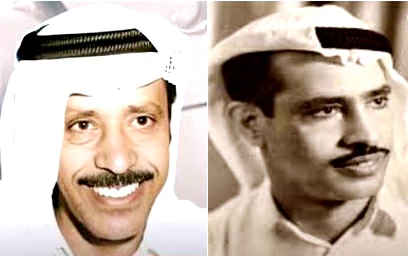
أحد هؤلاء هو عبدالرحمن الضويحي، الذي سنوثق هنا سيرته ومسيرته الإبداعية كرائد من رواد المسرح الكويتي، خصوصاً أنه جمع ما بين الإخراج والتمثيل وكتابة النص، وامتد نشاطه من المسرح إلى السينما والإذاعة والتلفزيون، علاوة على بروزه كأحد شعراء ما يعرف في الكويت بالزهيريات، أي الشعر الشعبي القصير. وهكذا لم يكن غريباً أن يلقبه البعض بشيخ المخرجين الكويتيين، ويطلق البعض الآخر على زهيرياته اسم «الضويحيات». هذا ناهيك عن أن الرجل عاصر بدايات الحركة المسرحية في بلاده، ورافق تطورها ونموها وازدهارها حتى غيابه عن المشهد بوفاته رحمه الله في 26 يوليو سنة 1996. كما أنه عرف عن قرب كل أو معظم الفنانين الكويتيين الرواد من أمثال خالد النفيسي وغانم الصالح وعبدالحسين عبدالرضا وسعد الفرج وعلي المفيدي وإبراهيم الصلال وعقاب الخطيب.
وُلد عبدالرحمن بن سليمان بن ضويحي الضويحي (المكنى «أبو ضاحي») في عام 1934 بحي القبلة في فريج السند، لكنه عاش معظم حياته في حي الصالحية بشارع فهد السالم. كان ميلاده لوالده المنتمي لأسرة «الضويحي». والأخيرة هاجرت إلى الكويت في القرن التاسع عشر من بلدة جلاجل النجدية وسكنت أحياء الجبلة والصالحية من العاصمة، وتصاهرت مع العديد من العائلات الكويتية المعروفة مثل؛ الشايجي والبخيت والعيسى والمرجان وبورحمة والحوال والعيد، طبقاً لموقع «منتدى تاريخ الكويت» الإلكتروني.
نشأ وترعرع في ظل والديه مع إخوته الستة (عبدالعزيز وعبدالمحسن وعبدالله وعبدالرزاق ومنيرة وفاطمة)، لكنه عانى من اليتم وهو في سن السادسة بوفاة والده سنة 1940.
التحق للدراسة عند المطوع «ملا محمد بن شرف» في كتّابه التقليدي بمنطقة القبلة، فدرس القرآن الكريم، ثم انتقل إلى المدرسة القبلية التي أنهى بها مرحلة الروضة بنجاح وتفوق لافت، ثم واصل دراسته في هذه المدرسة حتى الصف الثالث ابتدائي، لينتقل منها إلى المدرسة المباركية التي لم يبقَ فيها سوى أسبوعين في الصف الرابع ابتدائي. بعد ذلك أكمل دراسته بالمدرسة الأحمدية.
بدأت معالم نبوغه وذكائه وشطارته تظهر حينما كان في المدرسة القبلية، حيث كان مشاركاً دائماً في الأنشطة المدرسية، ومنها تلاوته القرآن الكريم في طابور المدرسة الصباحي بصوته الجميل، وقيامه بتقديم مقاطع تمثيلية قصيرة على المسرح المدرسي، الأمر الذي استرعى انتباه ناظر مدرسته آنذاك المربي عبدالملك الصالح. وقتها جرت العادة أن تقيم المدارس في نهاية العام الدراسي احتفالاً يتضمن تقديم مسرحية تاريخية وأخرى فكاهية، فاختاره الناظر للمشاركة في مسرحية تاريخية كان هو مخرجها بعنوان «حرب البسوس»، فأجاد الضويحي أداء الدور المرسوم له بإتقان وهو في التاسعة من عمره، بل وشارك أيضاً في المسرحية الفكاهية إلى جانب صالح العجيري (الفلكي المعروف لاحقاً) وخالد الجسار (الوزير لاحقاً) وعقاب الخطيب (الفنان المسرحي المعروف).
منذ مشاركته تلك تولع الضويحي بالتمثيل، بدليل أنه شجع أولاد حيه السكني (ومنهم عبدالعزيز مصطفى ويوسف محمد رشيد) وتعاون معهم على إحضار عدد من الصخور ليبنوا منها مسرحاً، ثم استعاروا ملابس رجالية ونسائية من بيوتهم ليستخدموها في التمثيل، وفوق ذلك صنعوا تذاكر دخول من كراريسهم المدرسية ليبيعوها لمن يريد الفرجة.
أخبرنا الضويحي عن بداياته الاحترافية، فقال إنه كان في سنة 1956 في لبنان، وحينما عاد إلى الكويت وجد في انتظاره خطاباً من المخرج محمد النشمي يدعوه فيه، بصفته مديراً للمسرح الشعبي، أن ينضم لهذا المسرح، الذي كان يُعرف سابقاً باسم «فرقة الكشاف الوطني»، فسارع صاحبنا إلى الاستجابة، والتحق بالمسرح الشعبي في سبتمبر 1957، وكان وقتها يعمل بدائرة الصحة العامة أميناً للصندوق، لينضم إلى آخرين سبقوه من أمثال عبدالله خريبط وعبدالرزاق النفيسي وخالد النفيسي وحسين غلوم وغيرهم. وهكذا، شارك صاحبنا في مجموعة من الأعمال المسرحية الكويتية الأولى، وكانت مرتجلة من تأليف وإخراج محمد النشمي، مثل: «قرعة وصلبوخ» و«ضاع الملف» و«ضاع الأمل» و«شرباكة».
في سنة 1964 أقدم الضويحي على تأسيس «المسرح العربي» مع خالد النفيسي وعبدالحسين عبدالرضا وسعد الفرج وغانم الصالح وحسين يعقوب العلي وحسين الصالح وعبدالوهاب السلطان وجعفر المؤمن وعدنان حسين، وانتقل إليه، وظهر ممثلاً على خشبته في أربع مسرحيات جادة باللغة العربية الفصحى من إخراج المسرحي المصري الكبير زكي طليمات هي؛ «صقر قريش» من تأليف محمود تيمور، و«فاتها القطار» من تأليف توفيق الحكيم، و«مضحك الخليفة» من تأليف علي أحمد باكثير، و«آدم وحواء» من اقتباس فتوح النشاطي.
كان هذا قبل أن يستقيل من المسرح العربي في عام تأسيسه، ويعود مجدداً إلى «المسرح الشعبي» لينتشله من العمل الارتجالي والفوضوي، فقدم من على خشبته في السنة ذاتها تجربته الأولى الحقيقية في كتابة النص والإخراج من خلال مسرحية «سكانه مرته» الناجحة التي حشد فيها ثلة من نجوم الفرقة. تلا ذلك قيامه بتقديم مجموعة من الأعمال الناجحة للمسرح الشعبي مخرجاً ومؤلفاً وممثلاً، كما قام بعد النجاحات التي حققها بإعداد أو تكويت عدد من المسرحيات منها: «الجنون فنون» و«غلط يا ناس» في 1964، «كازينو أم عنبر» في 1966، «انتخبوني» و«حرامي آخر موديل» في 1967، و«روزنامة» في 1970، علماً بأن جميعها كانت من إخراجه، عدا «الجنون فنون» التي أخرجها زميله خالد الصقعبي، هذا ناهيك عن تأليفه مسرحية «اصبر وتشوف» التي أخرجها المصري حمدي فريد في 1965، وتعد أول عمل مسرحي كويتي تدور أحداثه في إطار من الخيال والكوميديا.
إلى ما سبق، أخرج الضويحي مسرحيات من تأليف غيره مثل: «يمهل ولا يهمل» في 1966، و«كاوبوي في الدبدبة» في 1970، و«إبراهيم الثالث» في 1973، و«سخنّا الماي وطار الديك» في 1974، و«ورطة خريج» في 1976، و«العمارة رقم 20» في 1978. كما امتد نشاطه إلى الدراما التلفزيونية، فجسد شخصية شاعر الكويت الضرير فهد العسكر في ثلاثية «الرحلة والرحيل» التي أُنتجت سنة 1979، وشارك في مسلسل «الأقدار» سنة 1978 مع عبدالحسين عبدالرضا وسعد الفرج وغانم الصالح وإبراهيم الصلال وخالد العيد وعبدالعزيز النمش وسمير القلاف، مؤدياً ببراعة دور «النوخذة بن عيدان».
من الأمور الأخرى التي تحسب للضويحي في تاريخ الفن الكويتي، أنه كتب أول تمثيلية محلية أنتجها تلفزيون الكويت في عام 1964، وكانت بعنوان «إذا فات الفوت ما ينفع الصوت»، وهي تمثيلية من بطولة سعد الفرج وعبدالوهاب السلطان وحسين الصالح الدوسري، شاركت بها الكويت في مهرجان التلفزيون بمدينة الإسكندرية، علماً بأنه كتب لاحقاً للتلفزيون تمثيليات أخرى مثل؛ «الطوفان» و«مالك إلا خشمك». ثم كتب في عام 1975 قصة وسيناريو وحوار فيلم «الصمت» للمخرج هاشم محمد الشخص، الذي يعد بمثابة التجربة السينمائية الثانية للكويت من بعد فيلم «بس يا بحر» للمخرج خالد الصديقي. كما أنه ساهم مبكراً في الإذاعة الكويتية بكتابة وإخراج تمثيلية بعنوان «طبيب يداوي الناس وهو عليل»، تم تقديمها على الهواء مباشرة. من جهة أخرى، كان الضويحي وراء اكتشاف عدد من المواهب الكويتية التي ذاع صيتها لاحقاً في الأعمال المسرحية والدرامية والإذاعية مثل؛ مريم الغضبان وجاسم النبهان وطيبة الفرج وأحمد الصالح وإبراهيم الصلال وعبدالعزيز النمش وعبدالعزيز المسعود. كما كان وراء تكويت عدد من المسرحيات، ومنها؛ مسرحية «المهرج» في عام 1980 من تأليف محمد الماغوط وإخراج أحمد مساعد، ومسرحية «حكمت محكمة السلطان» في عام 1982 من إخراج نجم عبدالكريم.
«الضويحيات»
قلنا إن الضويحي كتب الشعر الشعبي القصير المعروف باسم الزهيريات، واشتُهر بها، فصار يُطلق على زهيرياته اسم «الضويحيات»، وكانت أولى محاولاته في عام 1962، حينما كان في القاهرة، حيث كتب زهيرية مطلعها «يا عاذلي ما أرى في صاحبك سلوى».
الذين فحصوا زهيرياته وكتبوا عنها، أجمعوا على أنها متنوعة لجهة المواضيع والأغراض، وبصورة أثرت تجربته الشعرية، ومنحتها بعض التميز، وأنه نجح في المزج ما بين الأصالة والتراث والمعاصرة واستخدام خليطاً من المرادفات اللفظية القديمة والحديثة من الفصحى والعامية، الأمر الذي أضفى على زهيرياته قوة وثراء. من ناحية أخرى يمكن النظر إلى زهيرياته على أنها نابعة من شاعر مرهف الإحساس وصادق التعبير ومن إنسان مرح ساخر يستهدف تقويم مجتمعه وإصلاحه وحضه على مكارم الاخلاق والتمسك بالقيم والمبادئ الأصيلة.
من زهيرياته، التي نشرها في دواوين، ونشرها قبل ذلك في الصفحة الأخيرة من جريدة «الأنباء» الكويتية منذ عام 1994، واحدة بعنوان «أنصاف الحلول» قال فيها:
أنصـاف الحلول مو كل حال فيها أنصـاف
والاثـلاث يا ذا الربـع ما تستوي أنصـاف
وما يطير طير انّتف ما يطيـر إلا إن صـاف
هيهـات مـا يجتمع حاضـر معا ماضـي
مشعـاب في محزمك مـو خنجـرٍ ماضـي
وسـمي مـا يلتفـت لا صـوّتـوا ماضـي
ورقيّـه مـا تلتفـت لا صـوّتـوا إنصـاف.وزهيرية أخرى بعنوان «يا ضاحي» قال فيها:
ضـاحي تشَـرّهت وما في الشره شي يبنـي
ضـاحي تعبـت بـربـاك وشـوف شيّبنـي
ضـاحي أنـا معك شـي يهـدم وشي يبنـي
خلنـا نتفـاهم يا ضـاحي خـل يقـوم البنـا
الـوقـت مـا ينلحــق يالله تــرى ولبنـا
جــدّك لاجلنــا يعـاف إحْليْبتــَه ولْبِنـَه
مـا قـال ولّيـن إلهـالـدنيـا إشّيّـيبـنـي.
مسيرة استحقت أكثر
تمّ تكريم الضويحي أكثر من مرة، إذ كرمته فرقة المسرح العربي في «يوم المسرح العربي»، وجرى تكريمه في مهرجان المسرح الخليجي بدولة قطر سنة 1990، ثم تكرر ذلك في 4 يونيو 1996 من قبل جمعية الفنانين الكويتيين، ولأنه كان وقتذاك مريضاً بمستشفى الصباح، فقد انتقل وزير الإعلام آنذاك الشيخ سعود الناصر الصباح برفقة رئيس جمعية الفنانين الكويتية عبدالعزيز المفرج (شادي الخليج) إلى المستشفى لتكريمه هناك. كما احتُفي بذكراه ضمن أنشطة مهرجان «صيفي ثقافي» السابع في مكتبة الكويت الوطنية عام 2012، وأقيمت له منارة ثقافية شارك فيها الناقد الدكتور إبراهيم غلوم والأديب الشاعر مبارك عمرو العماري من مملكة البحرين. لكن على الرغم من كل هذا، يعتقد البعض أن الضويحي لم ينَل حقه من التكريم كما يجب لأن عطاءاته لوطنه وفنه تجاوزت التمثيل والتأليف والإخراج، وتأسيس المسارح وإدارتها، والمساهمة في الإذاعة والدراما التلفزيونية، واكتشاف المواهب، ونظم الشعر الشعبي، إلى التفنن في لغة المسرح والدراما وإتقانها، وإحياء المفردات القديمة في اللهجة الكويتية الدارجة.
The theatrical movement in Kuwait represents a story of passion, struggle, study, talent, and diligent work, written by a select group of the country’s notable figures who believed in theater as a purposeful message that conveys social, cultural, political, and living realities, reflecting hopes and aspirations for reform and change, and serving as a means of education, awareness, and guidance before being a source of entertainment and enjoyment.
These individuals exerted extraordinary efforts over the years of their lives since they were young, dedicating themselves to their work and persevering, nurturing their talents with knowledge and training, and helping each other, overcoming all difficulties and challenges until they made the impossible possible and became pioneers in their field at both the local and Gulf levels, achieving an artistic and theatrical renaissance that is recognized for its leadership and brilliance. This leadership would not have been possible without the generous official support from the state as it took its first steps after independence towards construction and development on various fronts.
Many names emerged in the Kuwaiti theatrical and artistic movement, some of whom excelled in acting, others in directing, and some in writing scripts. There were also those whose multiple talents led them to combine this and that, thus recording their names in golden ink in the annals of the immortal pioneers of theater, which is considered the father of the arts and the first of them since the time of the Greeks and Romans, and indeed the most modern literary genre compared to poetry in Arab societies.
One of these is Abdulrahman Al-Duwaihi, whose biography and creative journey as a pioneer of Kuwaiti theater we will document here, especially since he combined directing, acting, and writing scripts, and his activities extended from theater to cinema, radio, and television, in addition to his prominence as one of the poets of what is known in Kuwait as “Al-Zuhairiyat,” or short popular poetry. Thus, it was not surprising that some referred to him as the Sheikh of Kuwaiti directors, while others called his Zuhairiyat “Al-Duwaihiyat.” Moreover, the man witnessed the beginnings of the theatrical movement in his country and accompanied its development, growth, and flourishing until his absence from the scene due to his death, may God have mercy on him, on July 26, 1996. He also knew closely all or most of the pioneering Kuwaiti artists such as Khaled Al-Nafisi, Ghanem Al-Saleh, Abdulhussain Abdulredha, Saad Al-Faraj, Ali Al-Mufidi, Ibrahim Al-Sallal, and Iqab Al-Khateeb.
Abdulrahman bin Suleiman bin Duwaihi Al-Duwaihi (nicknamed “Abu Dahi”) was born in 1934 in the Qibla neighborhood in Farij Al-Sind, but he spent most of his life in the Salhiya neighborhood on Fahad Al-Salem Street. He was born to a father belonging to the “Al-Duwaihi” family, which immigrated to Kuwait in the 19th century from the town of Jallajil in Najd and settled in the Al-Jabriya and Salhiya neighborhoods of the capital, intermarrying with many well-known Kuwaiti families such as Al-Shayji, Al-Bukhit, Al-Essa, Al-Murjan, Al-Burhama, Al-Hawal, and Al-Eid, according to the website “Kuwait History Forum.”
He grew up under the care of his parents with his six siblings (Abdulaziz, Abdulmohsen, Abdullah, Abdulrazak, Munira, and Fatima), but he suffered from orphanhood at the age of six due to his father’s death in 1940.
He enrolled in school with the teacher “Mulla Muhammad bin Sharaf” in a traditional Quranic school in the Qibla area, where he studied the Holy Quran, then moved to the Qibla school, where he successfully and excellently completed the kindergarten stage, continuing his studies in this school until the third grade, after which he transferred to Al-Mubarakiyah School, where he stayed only two weeks in the fourth grade. He then completed his studies at Al-Ahmadiyah School.
The signs of his genius, intelligence, and cleverness began to appear when he was in the Qibla school, where he was always participating in school activities, including reciting the Holy Quran in the morning assembly with his beautiful voice and performing short theatrical sketches on the school stage, which caught the attention of his school principal at the time, educator Abdulmalik Al-Saleh. At that time, it was customary for schools to hold a celebration at the end of the academic year that included presenting a historical play and another comedic one, so the principal chose him to participate in a historical play that he directed called “The War of Al-Basous,” where Al-Duwaihi skillfully performed the role assigned to him at the age of nine, and he also participated in the comedic play alongside Saleh Al-Ajiri (later known as the famous astronomer) and Khaled Al-Jassar (later a minister) and Iqab Al-Khateeb (the well-known theatrical artist).
Since that participation, Al-Duwaihi became passionate about acting, as evidenced by his encouragement of the boys in his neighborhood (including Abdulaziz Mustafa and Yusuf Muhammad Rashid) and his collaboration with them to gather some rocks to build a theater, then they borrowed men’s and women’s clothing from their homes to use in their performances, and on top of that, they made entry tickets from their school notebooks to sell to those who wanted to watch.
Al-Duwaihi told us about his professional beginnings, saying that it was in 1956 in Lebanon, and when he returned to Kuwait, he found a letter waiting for him from director Muhammad Al-Nashmi inviting him, in his capacity as the director of the popular theater, to join this theater, which was previously known as the “National Scout Troupe.” Our friend quickly responded and joined the popular theater in September 1957, at which time he was working at the Public Health Department as a treasurer, joining others who preceded him such as Abdullah Kharibut, Abdulrazak Al-Nafisi, Khaled Al-Nafisi, and Hussein Ghuloom, among others. Thus, our friend participated in a group of the first Kuwaiti theatrical works, which were improvised and written and directed by Muhammad Al-Nashmi, such as: “Qar’a and Salbukh,” “The File is Lost,” “Hope is Lost,” and “Sharbaka.”
In 1964, Al-Duwaihi established the “Arab Theater” with Khaled Al-Nafisi, Abdulhussain Abdulredha, Saad Al-Faraj, Ghanem Al-Saleh, Hussein Yaqoub Al-Ali, Hussein Al-Saleh, Abdulwahab Al-Sultan, Jaafar Al-Mu’min, and Adnan Hussein, and he moved to it, appearing as an actor on its stage in four serious plays in Modern Standard Arabic directed by the great Egyptian theater director Zaki Tolimat: “The Falcon of Quraish” written by Mahmoud Taymour, “The Train Passed” written by Tawfiq Al-Hakim, “The Comical Caliph” written by Ali Ahmed Bakathir, and “Adam and Eve” adapted from Fattouh Al-Nashati.
This was before he resigned from the Arab Theater in the year of its establishment and returned again to the “Popular Theater” to rescue it from improvisation and chaos, presenting from its stage in the same year his first true experience in writing scripts and directing through the successful play “Sukana Maratah,” in which he gathered a group of the troupe’s stars. This was followed by his presentation of a series of successful works for the popular theater as a director, author, and actor, and after the successes he achieved, he prepared or adapted several plays including: “Madness is Arts” and “Mistake, O People” in 1964, “Casino Umm Anbar” in 1966, “Vote for Me” and “Thief of the Latest Model” in 1967, and “Rosnamah” in 1970, noting that all of them were directed by him, except for “Madness is Arts,” which was directed by his colleague Khaled Al-Saqabi, not to mention his writing of the play “Sabr and Tashuf,” which was directed by the Egyptian Hamdi Farid in 1965, and is considered the first Kuwaiti theatrical work set in a framework of fantasy and comedy.
In addition to the above, Al-Duwaihi directed plays written by others such as: “He Delays but Does Not Neglect” in 1966, “Cowboy in Al-Dabdaba” in 1970, “Ibrahim the Third” in 1973, “We Boiled the Water and the Rooster Flew” in 1974, “The Graduate’s Predicament” in 1976, and “Building No. 20” in 1978. His activities also extended to television drama, where he portrayed the character of the blind poet of Kuwait, Fahd Al-Aaskar, in the trilogy “The Journey and Departure” produced in 1979, and participated in the series “Al-Aqdar” in 1978 with Abdulhussain Abdulredha, Saad Al-Faraj, Ghanem Al-Saleh, Ibrahim Al-Sallal, Khaled Al-Eid, Abdulaziz Al-Namash, and Samir Al-Qalaf, skillfully performing the role of “the sailor Ibn Aidan.”
Another achievement attributed to Al-Duwaihi in the history of Kuwaiti art is that he wrote the first local drama produced by Kuwait Television in 1964, titled “If the Time Has Passed, the Voice is Useless,” which starred Saad Al-Faraj, Abdulwahab Al-Sultan, and Hussein Al-Saleh Al-Dosari, and with which Kuwait participated in the television festival in Alexandria. He later wrote other dramas for television such as “The Flood” and “You Have No Choice but Your Nose.” He also wrote in 1975 the story, screenplay, and dialogue for the film “Silence” directed by Hashim Muhammad Al-Shakhs, which is considered the second cinematic experience for Kuwait after the film “Bas Ya Bahr” directed by Khaled Al-Sadiqi. He also contributed early to Kuwaiti radio by writing and directing a drama titled “A Doctor Heals People While He is Ill,” which was presented live. On another note, Al-Duwaihi was behind discovering several Kuwaiti talents that later gained fame in theatrical, dramatic, and radio works such as; Mariam Al-Ghadhban, Jassim Al-Nabhan, Taiba Al-Faraj, Ahmad Al-Saleh, Ibrahim Al-Sallal, Abdulaziz Al-Namash, and Abdulaziz Al-Masoud. He was also behind the adaptation of several plays, including the play “The Clown” in 1980 written by Muhammad Al-Maghout and directed by Ahmad Musaid, and the play “The Sultan’s Court” in 1982 directed by Najm Abdulkarim.
“Al-Duwaihiyat”
We mentioned that Al-Duwaihi wrote short popular poetry known as Al-Zuhairiyat, and he became famous for it, so his Zuhairiyat were referred to as “Al-Duwaihiyat,” with his first attempts occurring in 1962 when he was in Cairo, where he wrote a Zuhairiya that begins with “O my reproacher, I see no solace in your companion.”
Those who examined his Zuhairiyat and wrote about them agreed that they are diverse in terms of themes and purposes, which significantly influenced his poetic experience and granted it some distinction, and that he succeeded in blending authenticity, heritage, and modernity, using a mixture of old and modern verbal synonyms from both classical and colloquial Arabic, which added strength and richness to his Zuhairiyat. On the other hand, his Zuhairiyat can be viewed as stemming from a poet with refined feelings and sincere expression, as well as from a cheerful, sarcastic person aiming to reform his society and encourage it towards moral excellence and adherence to original values and principles.
Among his Zuhairiyat, which he published in collections, and which he had previously published on the last page of the Kuwaiti newspaper “Al-Anbaa” since 1994, is one titled “Half Solutions,” in which he said:
Half solutions are not all cases where there are half
And the thirds, O you of the quarter, do not become half
And no bird flies that has been plucked, it only flies if it is safe
It is impossible for the present to gather with the past
A hook in your belt is not a knife from the past
And a name does not turn away if they shouted the past
And a paper does not turn away if they shouted half.
Another Zuhairiya titled “O Dahi” in which he said:
Dahi, you have been spoiled, and there is nothing in the spoil that builds
Dahi, I am tired of your confusion and seeing something that has aged me
Dahi, I am with you, something destroys and something builds
Let us understand each other, O Dahi, let the building rise
Time does not wait, O God, see, and let us build
Your grandfather for our sake abandons his beloved and let us build
He did not say, “O world, what will age me.”
A Journey Worth More
Al-Duwaihi has been honored multiple times, as he was honored by the Arab Theater Troupe on “Arab Theater Day,” and he was honored at the Gulf Theater Festival in Qatar in 1990, and this was repeated on June 4, 1996, by the Kuwaiti Artists Association. Since he was then ill at Al-Sabah Hospital, the Minister of Information at the time, Sheikh Saud Al-Nasser Al-Sabah, along with the President of the Kuwaiti Artists Association, Abdulaziz Al-Mufrej (Shadi Al-Khalij), went to the hospital to honor him there. His memory was also celebrated as part of the activities of the seventh “Cultural Summer” festival at the National Library of Kuwait in 2012, where a cultural beacon was held in his honor, participated in by critic Dr. Ibrahim Ghuloom and writer-poet Mubarak Amro Al-Amari from the Kingdom of Bahrain. However, despite all this, some believe that Al-Duwaihi did not receive the recognition he deserved because his contributions to his country and art exceeded acting, writing, and directing, establishing and managing theaters, contributing to radio and television drama, discovering talents, composing popular poetry, to mastering the language of theater and drama, and reviving old vocabulary in the Kuwaiti dialect.