


 حالة الطقس
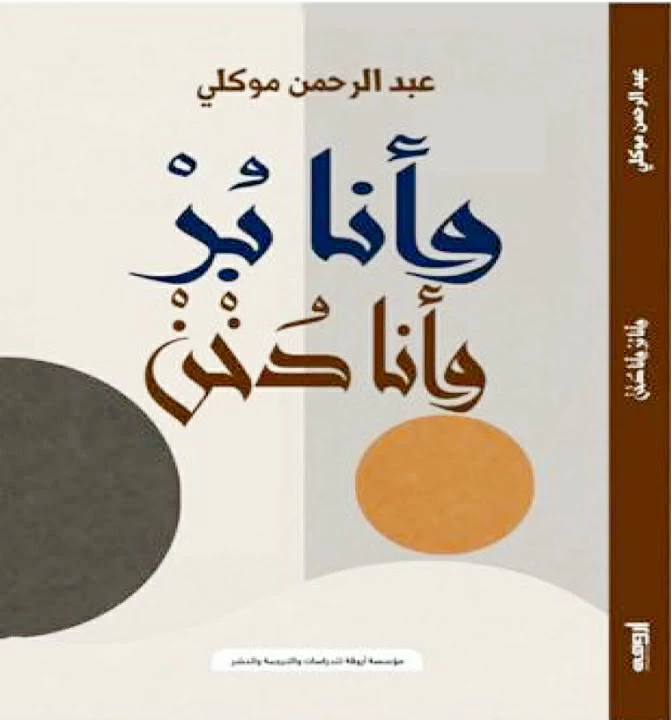
يكفي أن يقول أحدهم «وأنا بُر وأنا دُخن» حتى تظهر خلف العبارة حياة كاملة. البر والدخن اسما محصولين، لكنهما في ذاكرة جازان يتجاوزان المائدة إلى معنى أوسع. كان الآباء والأمهات يردون بهذه العبارة على من يطلب منهم حاجة، فيكون الرد إعلاناً عن الاستعداد لتلبيتها. من هذه الجملة يبدأ عبد الرحمن موكلي كتابه «وأنا بُرْ وأنا دُخْنْ»، ثم يترك البر والدخن يقودانه إلى المرسة والخبز والتنور والحصاد والأسواق والطقوس واللغة. يفتتح موكلي كتابه بإهداء إلى والده «أورثتني أرضاً وضيعتها، وسلاحاً وبعته، وبقيت مواقفك تدلني كلما تهت». تضع العبارة الأرض في بداية الكتاب ثم تعود في صفحاته بأشكال مختلفة حتى تصل إلى المطبخ والذاكرة. الأب غائب لكن مواقفه باقية، والأرض التي ضاعت تستعيد حضورها عبر الكتابة.
ولنلقِ نظرة على المرسة. طبق جازاني يبدو بسيطاً في ظاهره، لكنه عند موكلي يفتح أبواباً كثيرة. بر ودخن، ونساء تعملن في البيوت، ثم قرص يخرج ساخناً ليبدأ منه إعداد الطعام. المرسة لا تصل إلى الصحن دفعة واحدة. خلفها عمل يبدأ من الحبة وينتهي بالمائدة. كان للمرسة حضور خاص في الأعياد. يتذكر موكلي أيام رمضان وعيد الحج، حين كانت البيوت تتبادل الصحون، ويحمل الناس الطعام إلى الجيران. كانت المرسة حاضرة إلى جانب الأرز والسمك واللحم، وظلت في قلب وجبة العيد. الصحن الذي ينتقل من بيت إلى آخر يحمل معه شيئاً من علاقة الجيران ببعضهم، وتصبح المائدة سجلاً صغيراً للحياة الاجتماعية.
يستعيد موكلي المرسة كما عرفها في طفولته، من عجن البر حتى الخبز في التنور، ثم إخراج الأقراص الساخنة التي تدخل في إعداد الطبق. تظهر النساء في هذه الذاكرة صاحبات معرفة عملية بالطعام، معرفة ظلت تنتقل داخل البيوت حتى وصلت إلى الأجيال اللاحقة. ويطرح الكتاب سؤالاً آخر. لماذا بقيت كلمة «مرس» نفسها؟ وما الذي تخفيه اللغة داخل اسم طبق ظل حاضراً في الحياة المحلية؟ يتوقف موكلي عند الكلمة ونطقها واستعمالها، ويتعامل معها كأثر يحتاج إلى التنقيب. اسم الطبق يقود إلى تاريخه بقدر ما يقود إلى مكوّناته.
ومن المرسة يعود الكاتب إلى «وأنا بر وأنا دخن». كان يمكن للعبارة أن تبقى عند معناها الشعبي المباشر، لكنه يسأل عن المكانة التي احتلها البر والدخن في المجتمعات الزراعية القديمة. يقوده البحث إلى الحبوب والخصب والحصاد، وإلى حضور المنتجات الزراعية في الأعياد والمناسبات والطقوس القديمة. بعض هذه الصلات يظل عنده في دائرة البحث والاحتمال، وهي مساحة تستحق أن تبقى مفتوحة.
يصبح الكتاب هنا أكثر إثارة. فالعادة التي تبدو عادية اليوم ربما مرت عبر أزمنة طويلة قبل أن تصل إلى صورتها الحالية. طبق يأكله الناس في العيد، عبارة يقولها الآباء، طريقة لإعداد الطعام، أو طقس مرتبط بالعرس والحصاد. يمكن لكل واحدة منها أن تحمل أثراً لمعنى أقدم، تغيّر اسمه وبقي شيء من صورته.
لا يتوقف موكلي عند البر والدخن. ينتقل إلى الصبحية، إلى السمن واللحم واللبن، إلى الأضاحي والحول، ثم إلى السلي والشمب وتقسيس العيش والعزبة ورد البير. ويتسع الكتاب حتى يصل إلى الحمام واليمام والحوت. تبدو العناوين متفرقة في البداية، ثم يجمعها عالم واحد، عالم الإنسان الذي يعرف طعامه لأنه يعرف أرضه وماءه وماشيته وسوقه ومواسمه. وفي جازان، كما يوضح موكلي، يطلق اسم الحوت على السمك، وله مفرداته الخاصة، من اسم البائع إلى مكان البيع. يسأل الكاتب كيف يمكن أن يكتب عن الحوت من دون معرفة أنواعه ومواسم صيده وطرق طبخه. ومن هنا تخرج الكتابة عن المطبخ إلى السواحل والناس الذين عاشوا عليها. تتضح حركة الكتاب أكثر مع هذا الانتقال المستمر بين الأشياء.
It is enough for someone to say, “And I am barley, and I am millet,” for a whole life to emerge behind the phrase. Barley and millet are the names of crops, but in the memory of Jazan, they transcend the table to a broader meaning. Parents would respond to requests with this phrase, signaling their readiness to fulfill them. From this sentence, Abdul Rahman Moukli begins his book “And I am Barley and I am Millet,” then lets barley and millet lead him to the school, bread, the oven, the harvest, the markets, rituals, and language. Moukli opens his book with a dedication to his father: “You inherited me land and I lost it, a weapon and I sold it, but your stances guide me whenever I get lost.” The phrase places the land at the beginning of the book, then it returns in various forms throughout its pages until it reaches the kitchen and memory. The father is absent, but his stances remain, and the land that was lost regains its presence through writing.
Let us take a look at the school. A Jazan dish appears simple on the surface, but for Moukli, it opens many doors. Barley and millet, women working in homes, then a disk comes out hot to start the preparation of food. The school does not reach the plate all at once. Behind it is work that begins from the grain and ends at the table. The school had a special presence during holidays. Moukli remembers the days of Ramadan and the Eid of Sacrifice, when homes exchanged plates, and people carried food to their neighbors. The school was present alongside rice, fish, and meat, and it remained at the heart of the holiday meal. The plate that moves from one house to another carries with it something of the neighbors’ relationship with each other, and the table becomes a small record of social life.
Moukli recalls the school as he knew it in his childhood, from kneading barley to baking in the oven, then taking out the hot disks that go into preparing the dish. Women appear in this memory as practical knowers of food, knowledge that has continued to be passed down within homes until it reached later generations. The book raises another question. Why has the word “Marsa” itself remained? What does the language conceal within the name of a dish that has remained present in local life? Moukli pauses at the word, its pronunciation, and its usage, treating it as an artifact that needs to be excavated. The name of the dish leads to its history as much as it leads to its components.
From the school, the writer returns to “And I am Barley and I am Millet.” The phrase could have remained at its direct popular meaning, but he asks about the status that barley and millet held in ancient agricultural societies. His search leads him to grains, fertility, and harvest, and to the presence of agricultural products in holidays, occasions, and ancient rituals. Some of these connections remain within his circle of research and possibility, a space worth keeping open.
The book becomes more exciting here. The custom that seems ordinary today may have passed through long times before reaching its current form. A dish that people eat during the holiday, a phrase said by parents, a method of preparing food, or a ritual associated with weddings and harvests. Each of these can carry the trace of an older meaning, whose name has changed while something of its form remains.
Moukli does not stop at barley and millet. He moves to breakfast, to ghee, meat, and milk, to sacrifices and the year, then to the “Sili” and “Shamb” and the division of bread and the farm and the return of the well. The book expands until it reaches the bathroom, pigeons, and fish. The titles seem scattered at first, then they are brought together in one world, the world of a person who knows their food because they know their land, water, livestock, market, and seasons. In Jazan, as Moukli clarifies, the term “fish” refers to fish, and it has its own vocabulary, from the name of the seller to the place of sale. The writer asks how one can write about fish without knowing its types, fishing seasons, and cooking methods. From here, writing about the kitchen extends to the coasts and the people who lived on them. The movement of the book becomes clearer with this continuous transition between things.