

 حالة الطقس
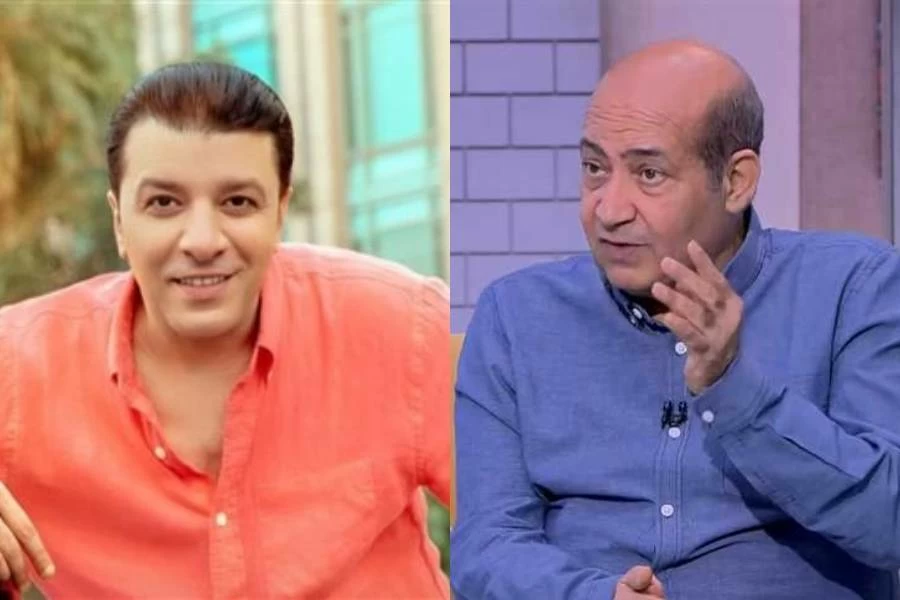
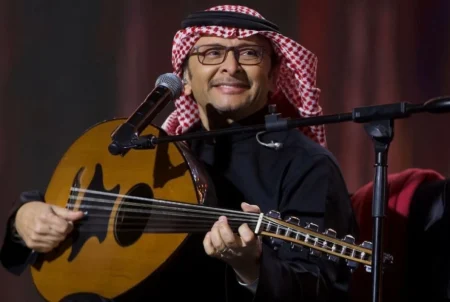
فاجأ الناقد الفني المصري طارق الشناوي الأوساط الفنية بتصريحاته خلال مداخلة تلفزيونية، وذلك بعد جلسة صلح مع نقيب الموسيقيين الفنان مصطفى كامل، إذ أكد الشناوي أنه لا يزال متمسكاً برأيه بأن صوت مصطفى كامل «نشاز»، لافتاً إلى أنه لن يتخلى عن رأيه حتى بعد جلسة الصلح التي أُقيمت بينهما في نقابة الصحفيين في مصر، وذلك بعد أيام من التصريحات المضادة بين الطرفين؛ ليؤكد بذلك الشناوي تمسكه بتصريحه الذي تسبب في الأزمة.
اعتذار وتنازل
وكانت نقابة الصحفيين المصرية قد عقدت جلسة للصلح بين الشناوي وكامل بحضور عدد من الصحفيين ووفد من نقابة المهن الموسيقية، حيث قدم نقيب الموسيقيين مصطفى كامل اعتذاراً عما بدر منه من إساءة، كما تنازل عن الشق القانوني في الأزمة، وفق ما نقلته وسائل إعلام محلية.
وانتهت الجلسة بتصافح مصطفى كامل وطارق الشناوي، وإعلان حل الخلاف بينهما، وسط تأكيد على أهمية الفصل بين الاختلاف في الرأي النقدي والعلاقات الشخصية.
وخلال جلسة الصلح، أكد مصطفى كامل على احترامه لطارق الشناوي ولمهنته كناقد فني.
الحق في التعبير
من جانبه، أكد طارق الشناوي أن جلسة الصلح أنهت الخلاف على المستويين الشخصي والقانوني، إلا أنه شدد على تمسكه بحقه في التعبير عن رأيه النقدي في أداء مصطفى كامل أو غيره من الفنانين بحكم واجب المهنة.
وأكد الشناوي أنه لم يقصد الإساءة أو التجاوز، مضيفاً: «لم يحدث أنني تجاوزت، ولن أتجاوز حتى مع من يتجاوزون، وسيظل هذا مبدئي». وأردف: «من حقنا كلنا كنقاد فنيين التعبير عن رأينا تحت مظلة القانون».
وأوضح الشناوي أن مصطفى كامل وجه له السباب لمجرد أنه أبدى رأيه الفني كناقد، مؤكداً أن كلمة «نشاز» تعبير عادي يندرج تحت إطار النقد الفني.
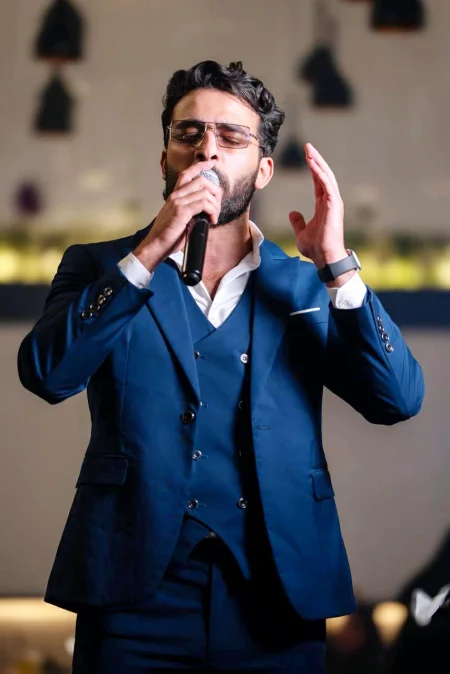
يذكر أن الأزمة كانت قد اندلعت على خلفية تعليق الناقد الفني على أداء نقيب الموسيقيين في إحدى حفلاته بالساحل الشمالي، حيث وصف صوته بأنه «نشاز»، ما أثار غضب مصطفى كامل وتفاقمت على أثره الأزمة بين الطرفين.
The Egyptian art critic Tarek El Shenawy surprised the artistic community with his statements during a television interview, following a reconciliation session with the musician syndicate president, artist Mostafa Kamel. El Shenawy confirmed that he still stands by his opinion that Mostafa Kamel’s voice is “out of tune,” noting that he will not abandon his view even after the reconciliation session held between them at the Journalists Syndicate in Egypt, just days after conflicting statements from both parties; thus, El Shenawy reaffirms his commitment to the statement that caused the crisis.
Apology and Withdrawal
The Egyptian Journalists Syndicate held a reconciliation session between El Shenawy and Kamel in the presence of several journalists and a delegation from the Musicians Syndicate, where the musicians’ president, Mostafa Kamel, apologized for his previous offensive remarks and also withdrew the legal aspect of the crisis, according to local media reports.
The session ended with Mostafa Kamel and Tarek El Shenawy shaking hands and announcing the resolution of their dispute, emphasizing the importance of separating differences in critical opinion from personal relationships.
During the reconciliation session, Mostafa Kamel affirmed his respect for Tarek El Shenawy and for his profession as an art critic.
The Right to Express
For his part, Tarek El Shenawy confirmed that the reconciliation session ended the dispute on both personal and legal levels, but he emphasized his commitment to his right to express his critical opinion on the performance of Mostafa Kamel or any other artists as part of his professional duty.
El Shenawy stated that he did not intend to offend or overstep, adding: “I have never overstepped, and I will not overstep even with those who do. This will remain my principle.” He further stated: “It is our right as art critics to express our opinions under the umbrella of the law.”
El Shenawy clarified that Mostafa Kamel directed insults at him simply for expressing his artistic opinion as a critic, affirming that the term “out of tune” is a normal expression that falls under the framework of artistic criticism.
It is worth noting that the crisis erupted following the critic’s comment on the performance of the musicians’ president during one of his concerts in the North Coast, where he described his voice as “out of tune,” which angered Mostafa Kamel and escalated the crisis between the two parties.