




 حالة الطقس
يلجأ بعض النقاد، ورؤساء المهرجانات والفعاليات الثقافية العربية، إلى إلغاء دعوة ضيف مهرجان أو ملتقى؛ بسبب توجيه تهمة التطبيع مع إسرائيل للضيف، من جمعية أو من تكتّل؛ ما يتسبّب في حرمان الأديب من المشاركة في مناسبة أدبية أو فنية، علماً بأن التسبيب للاتهام غير موضوعي، فبعض الدول تستضيف كل عام شعراء وكتّاباً (عرباً وإسرائيليين)؛ متطلعةً إلى تقديم أفكار، أو فتح آفاق حوار، أو المشاركة في مثاقفات لا تخلو من نقد لسياسات إسرائيل، ولقاء المصادفات في منصة أو صورة وارد، وجعله حيثية لإلغاء دعوة يتناقض مع مبدأ عدالة دعوات المهرجانات. وهنا وجهنا سؤالاً إلى عدد من المثقفين عن التطبيع الثقافي، وهل غدا شماعة للحرمان وذريعة للاستعداء والانتقام من كاتب ما دون وجه حق؟
يجيب الشاعر شوقي بزيع، قائلاً: موقف رفض اللقاء بمثقف أو مفكّر إسرائيلي، في فعاليات أو حوارات دولية بذريعة أنه تطبيع، موقف متخلّف ودوغمائي وعاجز عن محاورة الآخر بالحُجّة والمنطق، وأوضح أنه إذا كان التوجه إلى إلغاء دعوة ضيف؛ بسبب لقاء مع الإسرائيليين، فالعرب يلتقون معهم في الأمم المتحدة، ومناسبات أممية عدة كل عام في كل دول العالم، ويراها مفارقات مضحكة مبكية. مؤكداً أن التطبيع يعني العلاقة الطبيعية مع طرف كانت العلاقة معه غير طبيعية، إلا أن الواقع مع إسرائيل يوقع في تناقض كون إسرائيل دولة غير طبيعية، قامت بالقوة والاستحواذ في ظروف غير طبيعية.
ولفت بزيع إلى أن الواقعية تحتم علينا القبول بمبدأ التطبيع، إذا التزمت إسرائيل بحقوق الفلسطينيين وبقرارات الأمم المتحدة ومجلس الأمن، مضيفاً أن هذا الالتزام لم يحصل إلى الآن، وربما لن يحصل، مشيراً إلى أنه ليس خائفاً من التطبيع كون الشعوب العربية بفهمها تدرك أن الوقت لم يحن لتبييض الصورة الإسرائيلية القاتمة.
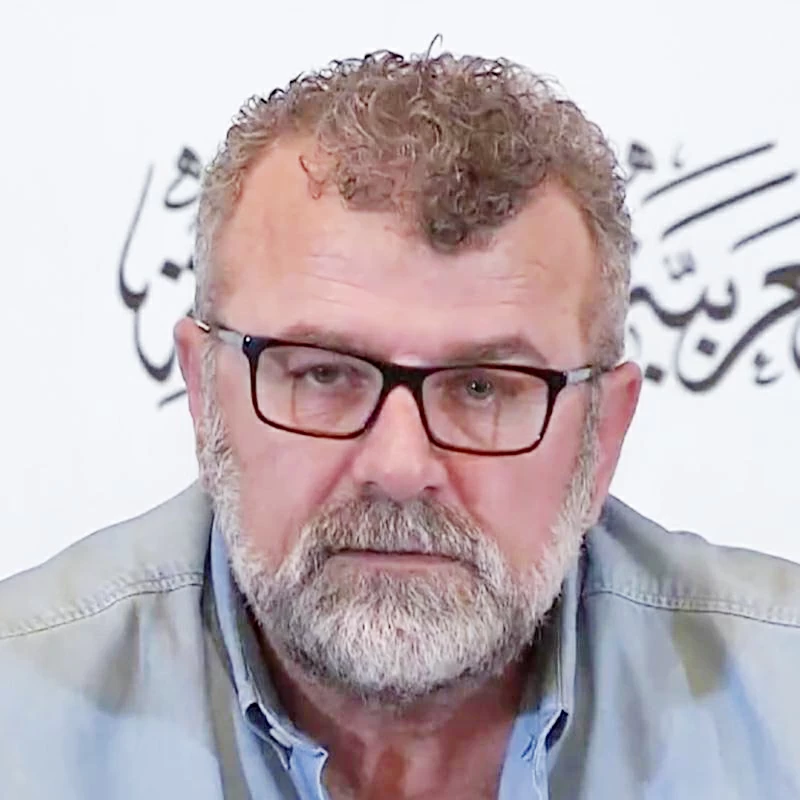
وذهب الكاتب ثائر ديب إلى أن منطلق تقييم علاقة المثقف العربي بالإسرائيلي هو كون إسرائيل استعماراً استيطانياً، استولى على أرض الفلسطينيين وقتلهم وشردهم، ولم يلتزم بأي اتفاقية أقامها معهم، رغم تخليهم لها بموجب هذه الاتفاقيات عن الجزء الأكبر من أرضهم التاريخية، لافتاً إلى أن هذا ما يبقى ماثلاً في خلفية عقل أي عربي أو أجنبي منصف. وأوضح أن «حركة المقاطعة» تضم مجموعة واسعة من الأكاديميين والفنانين والشخصيات العالمية البارزة، إضافة إلى أنه لم تبرز شخصيات إسرائيلية مهمة مناهضة للصهيونية بذلك العدد الذي يلفت الانتباه، وعدّ مصطلح «التطبيع» أحد المصطلحات التي وُظّفت في استخدامات ظالمة ومتسرعة وشكلية زائفة، كأن يُسلَّط كتهمة على رقاب مثقفين عرب جمعتهم مع مثقفين إسرائيليين قاعة من القاعات دون أن يعلموا، مؤكداً أن غالبية استخدامه إلى الآن لا تزال لنصرة قضية الشعب الفلسطيني، وإبرازها في المحافل الدولية.
ويرى المستشار الثقافي الدكتور زيد بن علي الفضيل أن العلاقة بين العربي والإسرائيلي باتت قضية إشكالية، وذات أطر مختلفة من مكان لآخر، ومن دولة لأخرى، لافتاً إلى أنه من الضروري، وإثر عقود من الصراع، أن نفرق بين اليهودي الإسرائيلي الصهيوني وغير الصهيوني، وكذلك بين اليهودي الإسرائيلي اليميني في توجهاته السياسية والدينية، وغير اليميني، سواء كان منتمياً لليسار أو اليسار الوسط، أو كان ليبرالياً في توجهه، مشيراً إلى أن ذلك يسهم في كسب شارع داخل المجتمع اليهودي من جهة، دون انزلاق في التفاصيل أو تماهٍ في حياتنا معهم عموماً، إذ مهم أن يستمر الصمود العربي والممانعة في إطار الثقافة والرياضة وغيرها من المناشط الإنسانية في مواجهة الإسرائيلي اليميني عموماً، والصهيوني خصوصاً. وتطلّع إلى اضطلاع مؤسسات المجتمع المدني العربي بدورها في بناء مرصد عربي ثقافي يكشف هويات الكتّاب والأدباء الإسرائيليين بشكل دوري؛ لبيان توجهاتهم السياسية والإنسانية، وموقفهم من الحقوق الفلسطينية والعربية، ورأيهم في تحقيق السلام في المنطقة، ما يضع الكاتب والأديب العربي في الصورة عندما يُستضاف في فعالية دولية بمشاركة إسرائيلية. مؤكداً أن القرار بيد المثقف العربي، إما أن يشارك ويتحمل نتائج مشاركته السلبية إزاء شارعه العربي إن ثبتت يمينية اليهودي الإسرائيلي المشارك معه، أو يعتذر.
وأضاف الفضيل: وفي حال أبان المرصد العربي الثقافي بأن المشارك من يهود إسرائيل له مواقفه الإيجابية من السلام ومختلف القضايا الإنسانية والحقوقية بحق الشعب الفلسطيني، فالمشاركة بحدود إعلامية ستكون نتائجها إيجابية، وهو ما يجب دعمه وتشجيعه في داخل الوسط اليهودي عموماً، كما قال.
وعدّ الفضيل «التطبيع» حالة بين الشعوب، ليس للساسة والمسؤولين أي علاقة بنموها أو انخفاضها، فيما «السلام» حالة بين الدول تقررها كل دولة بحسب ظروفها وقناعتها السياسية، ووفقاً لمبادئها الأخلاقية أيضاً، ونتج عنها إقامة علاقات سياسية بين دول عربية وإسرائيل، ولفت إلى أنه من الخطورة أن يتم تمرير مصطلح «التطبيع» للحديث عن بناء اتفاق سلام بين أي دولة عربية وإسرائيل، كون التطبيع حالة تقررها الشعوب وليس الحكومات، ويفترض أن تأتي عقب موافقة إسرائيل على حيثيات المبادرة العربية للسلام، وتنسجم مع إرادة الشعوب وتطلعاتها.
Some critics, as well as heads of Arab cultural festivals and events, resort to canceling the invitation of a festival or forum guest due to accusations of normalization with Israel directed at the guest, either from an association or a coalition. This results in depriving the writer of participating in a literary or artistic occasion, knowing that the reasoning behind the accusation is subjective. Some countries host poets and writers (both Arab and Israeli) every year, looking to present ideas, open avenues for dialogue, or engage in cultural exchanges that are not devoid of criticism of Israeli policies. Encountering coincidences on a platform or in an image and using it as a pretext to cancel an invitation contradicts the principle of fairness in festival invitations. Here, we posed a question to several intellectuals about cultural normalization and whether it has become a pretext for deprivation and a justification for hostility and revenge against a writer without just cause.
The poet Shawqi Bzeih responds, saying: The position of refusing to meet with an Israeli intellectual or thinker at international events or dialogues under the pretext of normalization is a backward, dogmatic stance that is incapable of engaging with the other through argument and logic. He clarified that if the approach is to cancel a guest’s invitation due to a meeting with Israelis, then Arabs meet with them at the United Nations and various international events every year in all countries of the world, which he finds to be a sad and funny paradox. He affirmed that normalization means a natural relationship with a party with whom the relationship was previously unnatural; however, the reality with Israel presents a contradiction since Israel is an unnatural state that was established through force and acquisition under unnatural circumstances.
Bzeih pointed out that realism necessitates accepting the principle of normalization if Israel commits to the rights of Palestinians and the decisions of the United Nations and the Security Council. He added that this commitment has not yet occurred and may never happen, indicating that he is not afraid of normalization because Arab peoples, in their understanding, realize that the time has not come to whitewash the grim Israeli image.
The writer Thaer Dhib stated that the basis for evaluating the relationship between the Arab intellectual and the Israeli is that Israel is a colonial settlement that has seized Palestinian land, killed, and displaced them, and has not adhered to any agreement made with them, despite their relinquishment of the majority of their historical land under these agreements. He noted that this remains evident in the background of any fair Arab or foreign mind. He explained that the “Boycott Movement” includes a wide range of academics, artists, and prominent global figures, and that no significant Israeli figures opposing Zionism have emerged in numbers that attract attention. He considered the term “normalization” to be one of the terms that have been used in unjust, hasty, and superficial contexts, as if it were a charge placed around the necks of Arab intellectuals who found themselves in a hall with Israeli intellectuals without their knowledge. He affirmed that the majority of its usage so far remains in support of the Palestinian people’s cause and highlighting it in international forums.
Cultural advisor Dr. Zaid bin Ali Al-Fadhil sees that the relationship between Arabs and Israelis has become a problematic issue, with different frameworks from one place to another and from one country to another. He pointed out that it is essential, after decades of conflict, to distinguish between the Zionist Israeli Jew and the non-Zionist, as well as between the right-wing Israeli Jew in his political and religious orientations and the non-right-wing, whether he belongs to the left, center-left, or is liberal in his orientation. He indicated that this contributes to winning over a segment within the Jewish community on one hand, without slipping into details or merging our lives with them in general. It is important that Arab resilience and resistance continue within the framework of culture, sports, and other humanitarian activities in facing the right-wing Israeli in general, and the Zionist in particular. He looked forward to Arab civil society institutions playing their role in building an Arab cultural observatory that periodically reveals the identities of Israeli writers and authors to clarify their political and humanitarian orientations, their positions on Palestinian and Arab rights, and their views on achieving peace in the region, which places the Arab writer in the picture when invited to an international event with Israeli participation. He affirmed that the decision lies with the Arab intellectual, whether to participate and bear the negative consequences of his participation regarding his Arab community if the Israeli participant proves to be right-wing, or to decline.
Al-Fadhil added: If the Arab cultural observatory shows that the participant from Israeli Jews has positive positions on peace and various humanitarian and rights issues regarding the Palestinian people, then participation within media limits will yield positive results, which should be supported and encouraged within the Jewish community in general, as he said.
Al-Fadhil considered “normalization” to be a condition between peoples, with no relation to its growth or decline by politicians and officials, while “peace” is a condition between states decided by each state according to its circumstances and political convictions, as well as its ethical principles. This has resulted in the establishment of political relations between Arab states and Israel. He pointed out that it is dangerous to use the term “normalization” to discuss building a peace agreement between any Arab state and Israel, as normalization is a condition decided by peoples, not governments, and should come after Israel’s acceptance of the details of the Arab peace initiative, aligning with the will and aspirations of the peoples.