


 حالة الطقس
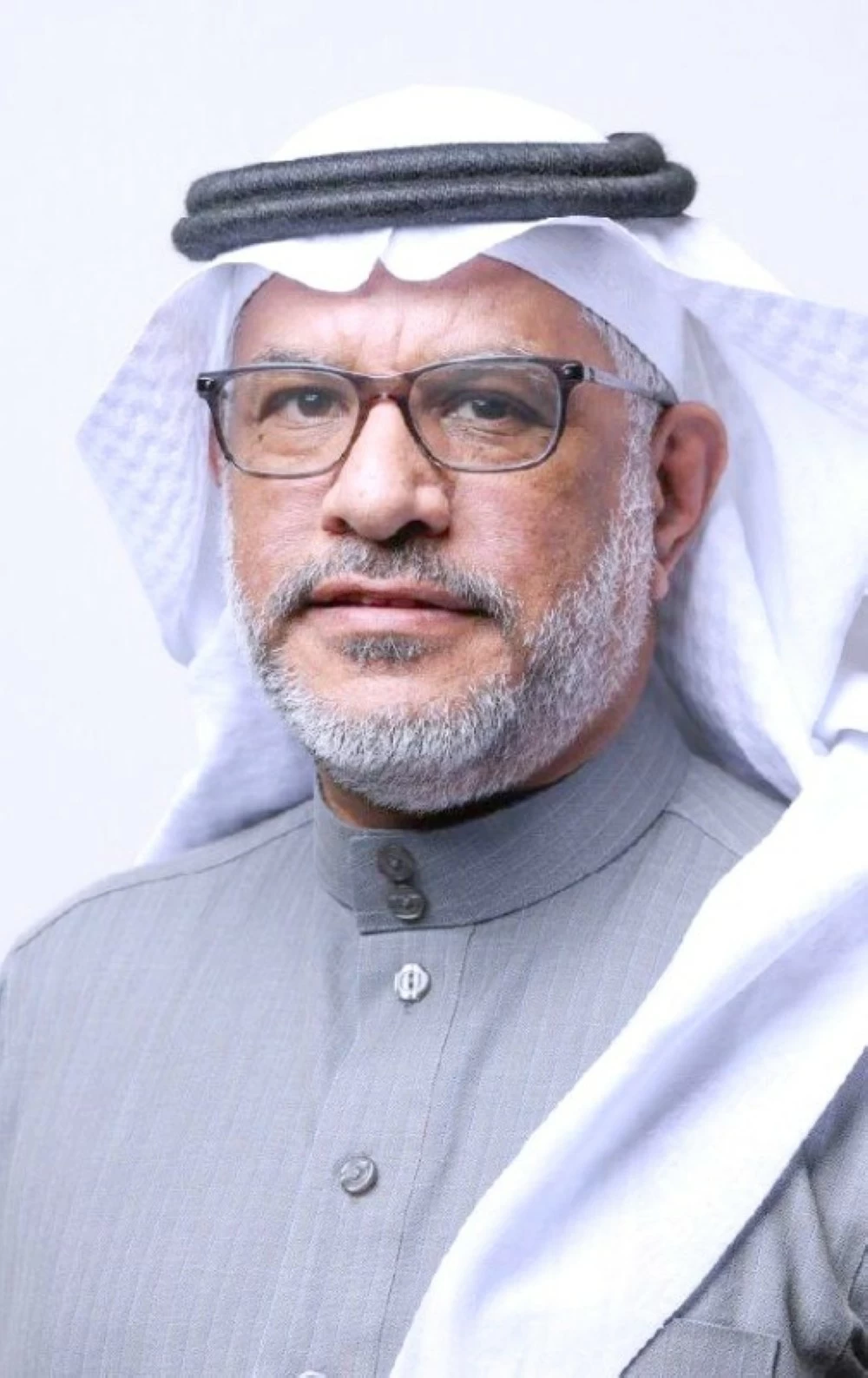
فتح إطلاق اسم الناقد الدكتور سعد البازعي على شارع رئيسي في محافظة الأحساء، باب التساؤل حول استحقاق المثقفين لإطلاق أسمائهم على الشوارع في مناطقهم، خصوصاً التي حظيت بشيء من اهتمامهم وعنايتهم، إلا أن للأمانات والبلديات معايير وأنظمة تحدد ضوابط الاختيار؛ تفادياً لإشكاليات عدة منها: أيّ الشخصيات أحقّ، ما دفع بعض لجان التسمية للشوارع إلى اختيار أسماء كلاسيكية موغلة في القدم، وليس لها ارتباط بالأماكن والبلدان التي تطلق أسماءها على شوارعها، وهنا جانب من تطلعات المثقفين، وردود أمانات المناطق.
يرى الكاتب علي مغاوي، أنه ليس من مهمات المجتمع أن يخلّد أسماء المؤثرين في ثقافته وآدابه وفنونه، كون مواقع التخليد تحتاج إلى المنصات المكانية، والمواقع الأكثر شهرة وحضوراً واستحضاراً؛ ما يضع التخليد ضمن المهمات الرسمية في وطن الوفاء، موضحاً أنه سبق أن تم إطلاق أسماء أماكن وبلدان وأشخاص لا نكاد نعرفها ولا نعرفهم على مواقع وملتقيات. وعدّ المرحلة مرحلة إكرام لجهود وإنصاف لأدوار المهتمين بالفكر والأدب والفن.
فيما كشف المؤرخ محمد ربيع الغامدي، أنه في عام 1416هـ انتقل إلى حي الفيصلية في جدة، وعقب يوم الاستقرار اكتشف أن مسكنه كان في شارع مطلق مخلد الذيابي، مؤكداً أنه كان سعيداً بذلك، وكأن أمانة مدينة جدة وهبته الشارع بكل ما فيه، مشيراً إلى أن مطلق الذيابي -رحمه الله- كان في حياته ملء الأسماع والأبصار، كونه المذيع الذي يملأ الخريطة الإذاعية برامج ثقافية واسعة الطيف، والشاعر العذب في أشعاره واختياراته، والموسيقار الموهوب صاحب الصوت المشحون شجناً إنْ تحدث وإن غنّى. وأوضح الغامدي أنه شعر بالأسى، وجملة من محبيه عندما انتقل الذيابي إلى رحمة الله، وعندما عثر على شارع باسمه عدّه هدية الأمانة للجميع، وبادر بالتواصل معهم للشكر وتثمين المبادرة. وأضاف: تذكرت ذلك عندما سمعت عن مبادرة تسمية الشوارع بأسماء أدباء الوطن ومثقفيه، والفكرة وجدت طريقها للتنفيذ من أعوام مضت، إلا أنها الآن تكتسب زخماً كبيراً يستمد حيويته من واقعنا الثقافي الجديد الذي رسمته منطلقات الرؤية المباركة، وطموحات القيادة، وآمال «شعب طويق» العظيم في سبيل سعودية عالمية عظمى. وعدّ مبادرة التسمية أرفع من مبادرة الجوائز، كونها جائزة الجوائز، لبقاء أثرها امتناناً في قلب الأديب حياً، وطمأنينة له قبل الموت، وأثراً خالداً عقب رحيله، كما هو أثرها على أسرته وعلى عموم محبيه.
وأكد الدكتور أحمد بن محمد الحميد، أنّ إطلاق اسم شخص ما على شارع، يُخاطب به عارفو فضله، فهناك أسماء تاريخية أو اعتبارية يسمى بها الشارع أو المنشأة، فيكون هذا استحقاقاً فرضه وزن تلك الشخصية تاريخياً واعتبارياً، موضحاً أنّ التسمية إما أن تكون في حياة الأديب وإما عقب مماته، فإن كانت في حياته كانت مدعاة إلى الفخر بما له من التقدير والوفاء، وإنْ عقب وفاته فهو تكريم لذويه، واعتذار معنوي لا يبلغ الراحل.
وعدّ الحميد تسمية الشارع باسم أديب له جهود معتبرة لتقدير الرموز الثقافية والأدبية، وإشعار قرابته وذويه بقيمة الشخصية التي تنتمي لهم وينتمون إليها. وتطلع إلى أن يقام للتسمية احتفالية ويثبّت في أول الشارع لوح حجري يعرّف الأجيال بالرجل الذي سُمي به الشارع وجهوده.
فيما عدّ الناقد الدكتور محمد الدبيسي، تسمية الشوارع بأسماء العلماء والأدباء والمثقفين، فعلاً ثقافياً واعياً وثيق الصلة بالهوية والذاكرة، ويُظهِر إدراك القائمين لقيمة من صنعوا تاريخاً لمدينتهم، وأسهموا في بناء كيانها العلمي والأدبي والاجتماعي، وصنعوا هويتها. ويراه الدبيسي إقراراً بجهود رجال أفنوا أعمارهم في خدمة العلم، والفكر، والإدارة، والصحافة، والتعليم، وأسهموا في تشكيل الوعي الوطني، وتركوا أثراً واضحاً في مسيرة المدينة الحديثة، لا سيما في العهد السعودي. ولفت إلى ما في التسمية بالأدباء من ترسيخ الذاكرة الوطنية، وربط الحاضر بالماضي القريب، وإبراز البعد الثقافي البصري في الفضاء العام. وذهب إلى أنه وسيلة تعليمية صامتة، تستدعي في ذهن المواطن والزائر سيرة «العَلَم» وإسهامه، وتغذّي المخزون الثقافي للأجيال، وتمنح المكان شخصية واضحة المعالم، تُعرف برجالها كما تُعرف بمعالمها العمرانية.
ويرى الدبيسي أن معايير التسمية في بعض المناطق عائمة، وفيها قدر كبير من العمومية، وغاب عنها التحقيق والفرز والعِلميَّة التي كانت أولى بأن تُعتمد وتُلتزم في اختيار الأسماء، وعدم الارتهان للأسماء ذات الشهرة العارضة، أو كثرة التداول.
وتطلّع الدبيسي إلى معايير تقوم على وضوح إسهام تلك الأسماء، وأثرها المباشر على التعليم، والعلم الشرعي، والصحافة، والفكر، والعمل الاجتماعي والاقتصادي، ومن عاشوا في المنطقة، وعملوا من أجلها، وارتبطت أسماؤهم بمؤسساتها ونهضتها.
ولفت إلى أن أمير منطقة المدينة المنورة سابقاً الأمير فيصل بن سلمان، وجَّه بإطلاق اسم الشيخ محمد الأمين الشنقيطي على أحد الشوارع الرئيسة المهمة في المدينة المنورة.
وعن زيادة أعداد الشوارع التي تضم أسماء عدة من المثقفين والأدباء، فيؤكد على أن تقترن بحسن الترتيب، والانسجام بين الاسم والمكان، لتكوين فضاء له دلالة رمزية واضحة، ومن شأنه حفظ رمزية إسهام رجال صنعوا تاريخاً، وإحياء لذِكْرهم، وتغذية الذاكرة الجمعية بشواهد حية، وتأسيس لثقافة بصرية واعية.
فيما عدّ الناقد الدكتور سعد بن سعيد الرفاعي، تسمية الشوارع والميادين بأسماء الأعلام من الأدباء والمثقفين والمفكرين سلوكاً حياتياً وعملاً حضارياً، لما فيه من تكريم للأديب أو المثقف من جهة، وتحفيز للأجيال القادمة للسير على نهجهم وخطاهم، وتمثُّل قصص نجاحاتهم وعطاءاتهم.
وتطلّع إلى إضافة تعريف بالأديب أو المثقف من خلال «كود» يوضع أسفل اللوحة التي تحمل اسمه، وتسهل التعرف على سيرته لمن رغب فيها، بتدوين سطر موجز بخط صغير أسفل الاسم للتعريف به، لتغدو لوحات الأسماء جزءاً من الإثراء الثقافي.
وثمّن الرفاعي لوزارة البلديات تشكيل لجان لتسمية الشوارع والميادين في المناطق والمحافظات منذ 2014. ودعا إلى تفعيل اللجان التي يتعين أن يكون أعضاؤها من المحيطين بالثقافة والتاريخ والشأن العام، لترشيح الأسماء التي ترقى إلى مستوى التمثيل ودرجة الإنجاز، سواء من الناحية القيمية، أو الفكرية، أو الانتماء الوطني، أو تميز الإنجاز والتأثير وثرائه.
وعبّر عن أسفه لتسمية بعض الشوارع بأسماء غريبة، مبدياً تحفظه على ترشيح أسماء لا تملك منجزاً ولم تقدم عطاءً، عدا حظوتها بالمحاباة والمجاملة أو المعرفة الشخصية.
أمانات المدينة وعسير والأحساء: المعايير أولاً.. وتوجيه الوزارة ثانياً
أوضحت أمانة منطقة المدينة المنورة، أن تسمية الطرق في المدينة المنورة تخضع لإجراءات وتعليمات معتمدة ومعايير محددة من قبل وزارة البلديات والإسكان؛ من أبرزها عرض الطريق وأهميته.
من جهته، أكد أمين محافظة الأحساء المهندس عصام عبداللطيف الملا، أن التسمية ترتبط بلجنة خاصة في المحافظة، موضحاً أن إطلاق أسماء بعض الشخصيات على الشوارع، يأتي بتوجيهات مباشرة، إما من الدولة ومنهم شهداء الواجب، أو من وزارة البلديات بالشراكة مع وزارات عدة، لافتاً إلى أن المبادرات اليوم ترتبط بالأدباء الأحياء المنتمين بالولادة أو العيش والسكنى في المنطقة أو المحافظة أو المدينة، مضيفاً أن مسار التسمية يبدأ بالترشيح، ثم الموافقة، ثم اختيار الشارع المناسب لاسم الأديب، ثم الاعتماد من الإمارة أو المحافظة، والتنفيذ من القطاع البلدي.
وأوضح نائب أمين منطقة عسير الدكتور أحمد الفيفي، أنّ
التسمية في الأمانة تتم عموماً بأسماء الأدباء والمثقفين متى ما استوفت الضوابط والإجراءات المعتمدة، مشيراً إلى أن عملية التسمية بناء على طلبات تقدم من الجهات المختصة ذات العلاقة، وتُدرس وفق الأنظمة والمعايير المعمول بها قبل اعتمادها وتنفيذها.
The naming of a main street in the Al-Ahsa Governorate after the critic Dr. Saad Al-Bazai has opened the door to questions about the entitlement of intellectuals to have their names given to streets in their areas, especially those that have received some of their attention and care. However, municipalities and local authorities have criteria and regulations that determine the selection standards, to avoid several issues, including: which personalities are more deserving. This has led some street naming committees to choose classical names that are deeply rooted in the past and have no connection to the places and countries that bear their names on their streets. This reflects some of the aspirations of intellectuals and the responses of regional municipalities.
The writer Ali Maghawi believes that it is not the community’s duty to immortalize the names of influential figures in its culture, literature, and arts, as the sites of commemoration require prominent physical locations that are well-known and present; thus, commemoration becomes a formal duty in a nation of loyalty. He clarified that names of places, countries, and individuals that we hardly know have previously been given to sites and gatherings. He considers this phase a tribute to the efforts and a recognition of the roles of those interested in thought, literature, and art.
Historian Mohammed Rabee Al-Ghamdi revealed that in 1416 AH, he moved to the Al-Faisaliah neighborhood in Jeddah, and after settling in, he discovered that his residence was on the street named after the late Mukhled Al-Dhiabi. He confirmed that he was happy about this, as if the Jeddah Municipality had gifted him the street with all that it encompasses. He pointed out that Mukhled Al-Dhiabi—may God have mercy on him—was, in his lifetime, a prominent figure, as he was a broadcaster who filled the radio landscape with a wide range of cultural programs, a sweet poet in his verses and selections, and a talented musician with a voice filled with emotion whether he spoke or sang. Al-Ghamdi expressed his sorrow, along with many of his admirers, when Al-Dhiabi passed away, and when he found a street bearing his name, he considered it a gift from the municipality to everyone and promptly reached out to thank them for the initiative. He added, “I remembered this when I heard about the initiative to name streets after the country’s writers and intellectuals. The idea has been on the path to implementation for several years, but now it is gaining significant momentum, drawing its vitality from our new cultural reality shaped by the blessed vision, the aspirations of leadership, and the hopes of the great ‘Tuwaiq people’ for a grand global Saudi Arabia. He considered the naming initiative to be more significant than award initiatives, as it serves as the award of awards, leaving a lasting impact of gratitude in the heart of the living writer, providing them with reassurance before death, and creating an everlasting legacy after their departure, as well as its impact on their family and their many admirers.
Dr. Ahmed bin Mohammed Al-Humaid confirmed that naming a street after someone addresses those who recognize their merit. There are historical or honorary names used for streets or establishments, making this a right imposed by the historical and honorary weight of that personality. He explained that naming can either occur during the writer’s lifetime or after their death; if it is during their life, it is a cause for pride due to the appreciation and loyalty shown to them, and if it is after their death, it is an honor to their relatives and a moral apology that cannot reach the deceased.
Al-Humaid considered naming a street after a writer with significant contributions as a way to appreciate cultural and literary symbols, and to make their relatives and loved ones aware of the value of the personality to whom they belong and who belongs to them. He looked forward to a celebration for the naming, with a stone plaque at the beginning of the street introducing future generations to the man after whom the street is named and his efforts.
Meanwhile, critic Dr. Mohammed Al-Dubaisi regarded the naming of streets after scholars, writers, and intellectuals as a conscious cultural act closely related to identity and memory. It demonstrates the awareness of those in charge of the value of those who made history for their city and contributed to its scientific, literary, and social structure, thereby shaping its identity. Al-Dubaisi sees it as an acknowledgment of the efforts of men who dedicated their lives to serving science, thought, administration, journalism, and education, contributing to the formation of national awareness and leaving a clear mark on the modern city’s journey, especially during the Saudi era. He pointed out that naming streets after writers helps to solidify national memory, linking the present with the recent past and highlighting the cultural visual dimension in the public space. He argued that it serves as a silent educational tool, evoking in the minds of citizens and visitors the biography of the ‘celebrity’ and their contributions, enriching the cultural reservoir of generations, and giving the place a clear identity defined by its people as much as by its architectural features.
Al-Dubaisi believes that the naming criteria in some regions are vague and overly general, lacking the investigation, sorting, and scientific rigor that should be prioritized and adhered to in selecting names, rather than relying on names with transient fame or frequent circulation.
Al-Dubaisi hopes for criteria based on the clear contributions of those names and their direct impact on education, religious knowledge, journalism, thought, and social and economic work, as well as those who lived in the area and worked for it, with their names linked to its institutions and development.
He noted that the former Prince of Medina, Prince Faisal bin Salman, directed that the name of Sheikh Mohammed Amin Al-Shanqeeti be given to one of the important main streets in Medina.
Regarding the increase in the number of streets bearing the names of several intellectuals and writers, he emphasized that they should be associated with good organization and harmony between the name and the place, to create a space with a clear symbolic significance, which would preserve the symbolism of the contributions of those who made history, revive their memory, nourish the collective memory with living evidence, and establish a conscious visual culture.
Critic Dr. Saad bin Said Al-Rifai considered the naming of streets and squares after prominent figures from writers, intellectuals, and thinkers as a life practice and a civilizational act, as it honors the writer or intellectual on one hand and motivates future generations to follow in their footsteps and embody their stories of success and contributions.
He looked forward to adding a brief introduction about the writer or intellectual through a ‘code’ placed below the plaque bearing their name, facilitating recognition of their biography for those interested, by writing a brief line in small print below the name for identification, making the name plaques part of the cultural enrichment.
Al-Rifai praised the Ministry of Municipalities for forming committees to name streets and squares in regions and governorates since 2014. He called for the activation of these committees, whose members should be those familiar with culture, history, and public affairs, to nominate names that rise to the level of representation and achievement, whether in terms of values, thought, national belonging, or the distinction of achievement and impact.
He expressed regret over some streets being named after strange names, voicing his reservations about nominating names that lack achievements or contributions, aside from their favoritism, flattery, or personal connections.
Municipalities of Medina, Asir, and Al-Ahsa: Standards First.. and Ministry Guidance Second
The Medina Municipality clarified that the naming of roads in Medina is subject to approved procedures and specific criteria set by the Ministry of Municipalities and Housing, the most prominent of which are the width and importance of the road.
For his part, the Secretary of Al-Ahsa Governorate, Engineer Issam Abdul-Latif Al-Mulla, confirmed that naming is linked to a special committee in the governorate, explaining that the naming of some personalities after streets comes from direct directives, either from the state, including martyrs of duty, or from the Ministry of Municipalities in partnership with several ministries. He pointed out that current initiatives are related to living writers who are either born in, reside in, or live in the area, governorate, or city. He added that the naming process begins with nomination, followed by approval, then selecting the appropriate street for the writer’s name, and finally obtaining approval from the emirate or governorate and executing it by the municipal sector.
The Deputy Secretary of the Asir Region, Dr. Ahmed Al-Fifi, explained that
naming in the municipality generally occurs with the names of writers and intellectuals whenever they meet the approved criteria and procedures, noting that the naming process is based on requests submitted by the relevant authorities, which are studied according to the applicable regulations and standards before being approved and implemented.