



 حالة الطقس
تأتي أسطورة الدنّ ذات محمول ثقافي لمعنى الولادة والقوّة؛ فالإسبرطيون قديماً يضعون الوليد في دنّ نبيذ ليمتحنوا صبره وقوّته واستحقاقه للحياة، ومن ينجو من هذا الغطس فهو يستأهل العيش، وهذه الأسطورة كغيرها من أساطير تحمل في رمزيتها طابعاً ذكورياً في سجلات الذاكرة الثقافية، وترد في النصوص على اختلاف أجناسها، ومما يُوهن النصَّ سقوط الاستحضار في سياق التنصيص الثقافي لتلك السجلات مستبعداً الجانب التوليدي للرمز، ومنحازاً لحرفيّة الطرح والإحالة.
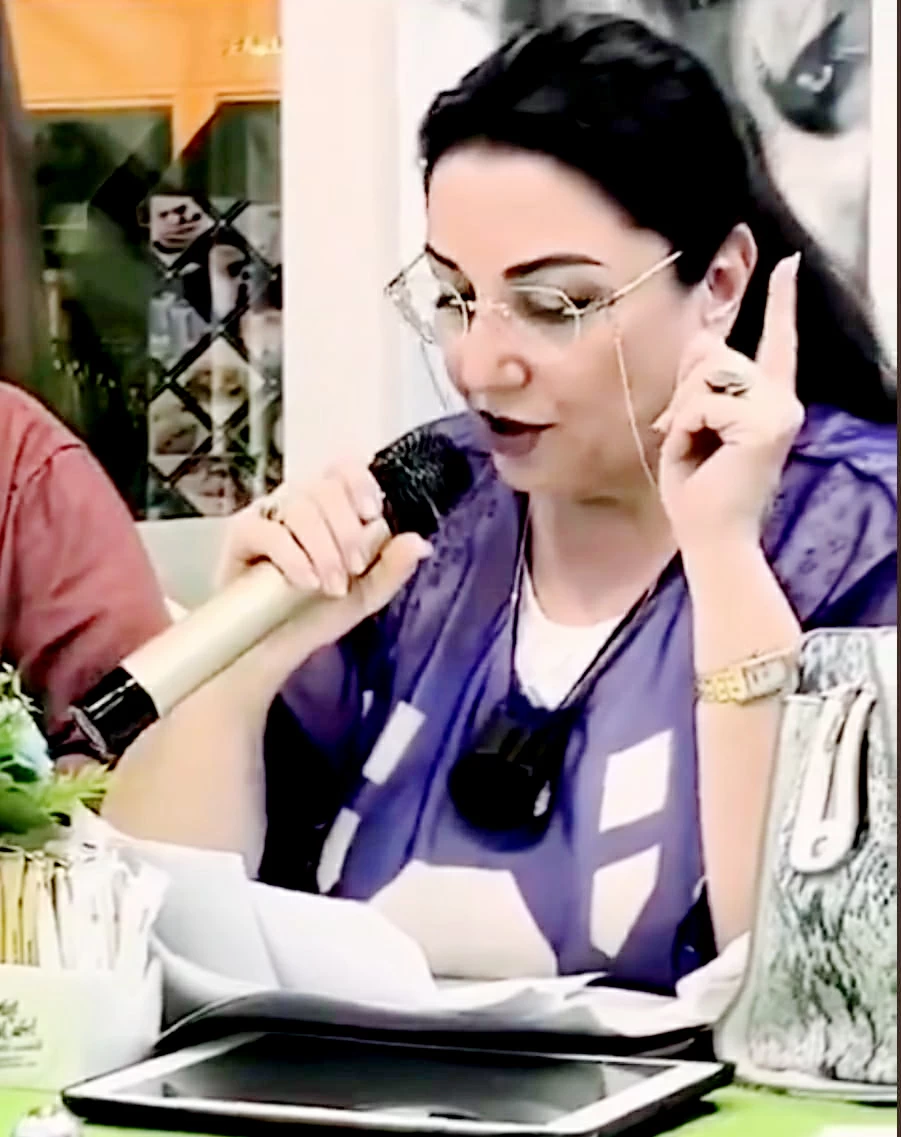
ومن خلال تتبع الرمز الأسطوري في شعر ابتسام الصمادي ستتضح علاقة وطيدة بينه وبين النص، وهذا النسق الرمزي يتكرر في مجمل أشعارها، يحيل للولادة والتجدّد والتآلف، الأرض والديمومة، ترفده الأنثى بأسباب حضوره، وتصبح المعادل الرمزي لتشكّله النصّي، قد يذهب القارئ للوهلة الأولى إلى ثقافته النسقية، لكن التلقي النقدي له رؤية أخرى حول تمائم الوقاية من السحر الأسطوري، يحاول إيجاد معادل آخر للنص يتلاءم مع التجربة والرؤية لتكييف المعنى نحو قضايا إنسانية متجدّدة، فالرمز نقدياً هو إعادة توظيف وليس زخرفة، وهذه اللفتة الفنيّة اتّبعتها الشاعرة في غير موضع، وظّفتها بتجربة أكثر شمولاً في تفاعل اللغة مع المخيال الأسطوري وتوليد الإحالة للنسق بإعادة قراءته، ومنحه بعداً جديداً ثقافياً واجتماعياً، فالقصيدة بلغتها وقوافيها لشاعرة لم تقيّدها علامات تذكير الثقافة والأسطورة والرمز، فوظّفتِ الرمز عبر سياقات الولادة والحضور للأنثى التي تلاشت رمزيتها في قوالب النسق، كقصيدة «الرمز حمّال الحطب» على سبيل المثال لا الحصر، تقول في مقدّمتها: «لم تكرّس المرأة المبدعة رموزاً تاريخية خاصة بها توازي الرموز السلبيّة التي تكرّست عبر الزمن، ودخلت الذاكرة الإنسانية عبر الآداب والفنون بأنساق صعبة الاختراق»، وعلى هذا التأسيس الفني تأتي قصيدة «دنٌّ إسبارطي» التي قدّمتْها في مهرجان الشعر العربي أخيراً في إسطنبول، فالرمز يأخذ طابع الانزياح الثقافي للنسق نحو إعادة التموضع الفنّي للمعنى والوظيفة والنقد، والقصيدة هي من خاضت امتحان الولادة عندما أحالت لرمزية الأسطورة، ورمزية إسبرطة التي رُوي عنها أنها مدينة الأسرار والحكايات والفرسان المحاربين الأشداء، مدينة غاص تاريخها باستحالة معرفته كليّاً، مدينة مقاتلة حكمت العالم القديم، وتركت التاريخ حائراً في وثائقها، عاشت حرباً طاحنة مع أثينا فازداد تاريخها تحليلاً، وبقيت محاطة بسحرها وأسرارها، كأنها قصيدة شعر تترك التلقي مفتوح الاحتمالات، تمتد كامتداد المدينة وتوسعاتها عندما تنشر منسوجاتها الشهيرة، والبرونز الإسبرطي المميّز، كأنها القوافي التي يستعرضها الشعراء في حدائق الشعر، فتنسرح قرائحهم كما يلمع سيط فرسان المدينة وحضورهم؛ حتى قيل إن حلم جميلات وفاتنات إسبرطة هو الزواج من فارس إسبرطي، كأنها الشعر ورحلته وما يُنسج عن أساطير ولادته من وادي عبقر، وصعوبة فهم كنه وحيه وإلهامه، لهذا قد تكون ولادته هي أسطورة ديوان العرب ربّما، إذ لا إجابة نهائية ينتهي معها سحر وجوده، هو طاقة متولّدة لا تقف عند حد، وما وحيه أو وديانه إلا لوحة في معرض كبير، وكلٌّ يسافر مع خيوطها إلى معانٍ مختلفة تضيف لها قراءة أخرى، وهكذا تولد القصيدة عبر امتحان اكتمالها، فالإسبرطية لم تحلم إلا بفارس لقلبها اجتاز مخاض الدنّ في ولادته ليكون جديراً بحمله، وليس حكراً عليه إضفاء معنى صلابة محارب مُفترض سيدق أبواب أثينا كما ترسّخه إيحاءات الثقافة النسقية.
أمّا وبعد
كتبت أم لم تكتبِ
من دونما أم رأتنا أو أبِ
تأتي بأطفال القصيد تغطّهم
في خمرنا، ليموت من لم ينسبِ
والوقت ليس لديه من وقت له
ليذوب في المعنى البعيد الأقرب
القصيدة عدّة مقطوعات تنتصر للولادة بفحواها الإنساني الأكثر عمقاً من التشظي النسقي أحاديّ الإحالة والمعنى، فكانت جديرة بمهرجان الشعر العربي كفارس اجتاز مخاض الولادة ليكون جديراً بقلب أنثى.
The legend of the Spartan wine vat carries a cultural significance related to birth and strength; the Spartans of old would place a newborn in a vat of wine to test their patience, strength, and worthiness for life. Those who survive this immersion are deemed worthy of living. This legend, like others, carries a masculine character in the records of cultural memory and appears in texts of various genres. What weakens the text is the failure to evoke this context within the cultural citation of those records, excluding the generative aspect of the symbol and leaning towards a literal interpretation and reference.
By tracing the mythical symbol in the poetry of Ibtisam Al-Samadi, a strong relationship between it and the text will become clear. This symbolic pattern recurs throughout her poetry, referring to birth, renewal, harmony, land, and permanence, supported by the female presence that provides the reasons for its existence, becoming the symbolic equivalent of its textual formation. At first glance, the reader may approach it from their own systemic culture, but critical reception offers another perspective regarding amulets for protection against mythical sorcery, attempting to find another equivalent for the text that aligns with experiences and visions to adapt meaning towards renewed human issues. Thus, the symbol, in a critical sense, is a re-employment rather than mere ornamentation. This artistic gesture has been followed by the poet in various instances, employing it through a more comprehensive experience in the interaction of language with the mythical imagination and generating references to the system through re-reading it, granting it a new cultural and social dimension. The poem, with its language and rhymes, belongs to a poetess who was not constrained by the markers of the masculine culture, myth, and symbol. She utilized the symbol through contexts of birth and presence for the female, whose symbolism has faded in the molds of the system, as in the poem “The Symbol, the Carrier of Wood,” for example, where she states in its introduction: “The creative woman has not established historical symbols of her own that parallel the negative symbols that have been entrenched over time, entering human memory through literature and arts in difficult-to-penetrate systems.” Based on this artistic foundation comes the poem “Spartan Vat,” which she presented at the recent Arab Poetry Festival in Istanbul. The symbol takes on the character of cultural displacement of the system towards a re-positioning of artistic meaning, function, and critique. The poem itself underwent the test of birth when it referred to the symbolism of the myth and the symbolism of Sparta, which has been narrated as a city of secrets, tales, and fierce warrior knights—a city whose history is steeped in the impossibility of fully knowing it, a fighting city that ruled the ancient world, leaving history perplexed in its documents. It lived through a fierce war with Athens, which further complicated its history, remaining surrounded by its magic and secrets, as if it were a poem that leaves reception open to possibilities, extending like the city and its expansions when it spreads its famous textiles and distinctive Spartan bronze, as if it were the rhymes displayed by poets in the gardens of poetry, allowing their imaginations to flourish as the presence of the city’s knights shines; it was said that the dream of the beautiful and enchanting women of Sparta is to marry a Spartan knight, as if it were poetry and its journey, and what is woven from the myths of its birth from the valley of Abqar, and the difficulty of understanding the essence of its inspiration and creativity. Thus, its birth may be the legend of the Diwan of the Arabs, perhaps, as there is no definitive answer that concludes the magic of its existence; it is a generated energy that does not stop at a limit, and its inspiration or its valleys are merely a canvas in a grand exhibition, each traveling with its threads to different meanings that add another reading to it. Thus, the poem is born through the test of its completion, for the Spartan woman dreamed only of a knight for her heart who has passed the labor of the vat in his birth to be worthy of carrying it, and it is not exclusive to him to impart the meaning of a presumed warrior’s toughness that will knock on the doors of Athens as reinforced by the implications of systemic culture.
As for after
Whether she wrote or did not write
Without a mother who saw us or a father
Bringing forth the children of poetry, covering them
In our wine, so that he who is not attributed may die
And time has no time for him
To dissolve into the distant, closer meaning
The poem consists of several pieces that champion birth with a human essence deeper than the fragmentation of a single-referent and meaning system. It was worthy of the Arab Poetry Festival as a knight who has passed the labor of birth to be worthy of a woman’s heart.