




 حالة الطقس
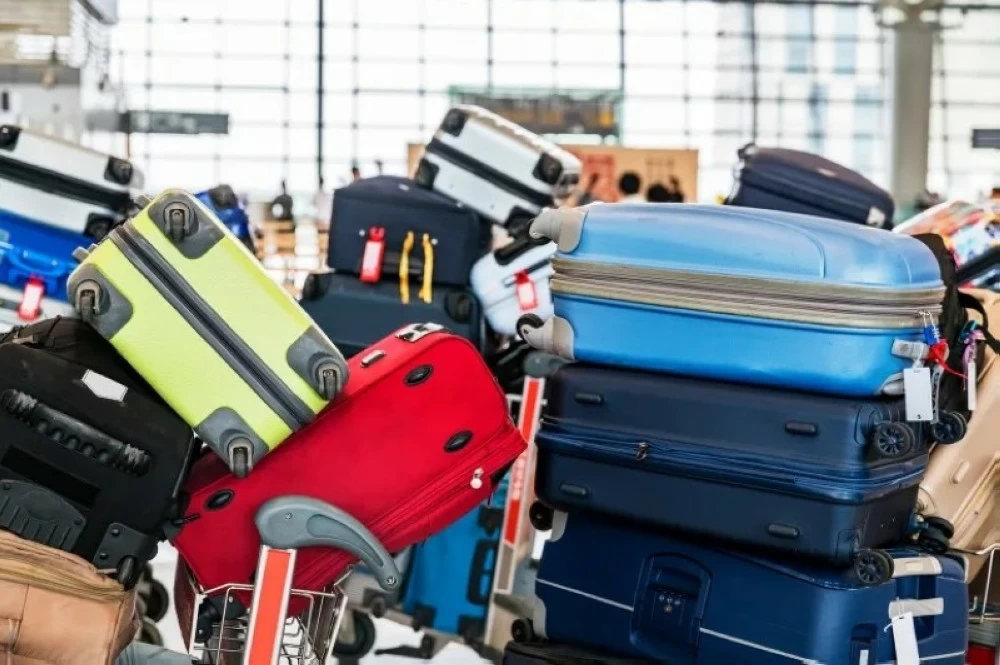
يشعر كثير من المسافرين بالتوتر عند انتظار حقائبهم على السير الناقل، خشية أن تكون ضاعت أو تلفت. لكن الواقع الإحصائي مريح أكثر مما يظنّ الكثيرون، فوفقاً لتقرير سيتا حول تقنيات معلومات الأمتعة، تعرّضت نحو 6.3 حقيبة فقط لكل 1000 راكب حول العالم للمعالجة الخاطئة، مع تحسن مستمر مقارنة بالسنوات السابقة. وفي الولايات المتحدة، بلغ الرقم 5.5 حقيبة لكل 1000 راكب.
وفي الغالب، تُستعاد الحقائب بسرعة. يقول مدير العلاقات العامة في شركة Unclaimed Baggage الأمريكية سوني هود إن «99.5% من الحقائب تعود لأصحابها خلال فترة قصيرة». وأقل من 0.03% من الحقائب تظل غير مستعادة، أي ما يعادل 3 حقائب من كل 10 آلاف حقيبة.
لماذا تضيع الحقائب أحياناً؟
- رحلات الترانزيت الدولية: أعلى معدلات فقدان الأمتعة مقارنة بالرحلات المباشرة.
- أخطاء قراءة الملصقات أو تضررها، مما يرسل الحقيبة إلى وجهة خاطئة.
- القيود الأمنية وتوزيع الوزن: تُزال بعض الحقائب عن قصد للحفاظ على السلامة.
لكن التكنولوجيا تقلل المخاطر، فالتحسينات في أنظمة تتبع الأمتعة خفضت فقدان الحقائب عالمياً بنحو 63% منذ 2007. وشركات كبرى مثل دلتا ويونايتد توفر تطبيقات تتيح للركاب تتبع موقع حقائبهم مباشرة، ما يسرع استعادتها عند حدوث أي تأخير.
الحقوق والتعويضات
- تأمين السفر لا يغطي جميع حالات فقدان الحقائب.
- حفظ إيصالات المقتنيات الثمينة وصور المحتويات يزيد فرص التعويض.
- بعد 90 يوماً، تُصنّف الحقائب على أنها Unclaimed Luggage وتُباع أو يُعاد تدويرها أو يتم التبرع بها.
نصائح للمسافرين
- ضع بطاقة تعريف داخل وخارج الحقيبة، وصوّر المحتويات.
- تجنب الرحلات ذات الترانزيت القصير قدر الإمكان.
- استخدم حقائب مميزة لتسهيل التعرف عليها.
- عند تسجيل الحقيبة، تأكد من الوجهة الصحيحة واحتفظ بالإيصال.
- استخدم جهاز تتبع مثل AirTag وتوجه فوراً لمكتب الأمتعة عند أي تأخير.
- ضع الأشياء الثمينة في حقيبة اليد ويفضّل تغليف الحقائب لتقليل الفتح الخطأ.
رغم أن فقدان الحقيبة لا يمكن منعه تماماً، إلا أن اتباع هذه الإجراءات يقلل المخاطر بشكل كبير ويزيد فرص استعادة الأمتعة بسرعة وتأمين تعويض مناسب.
Many travelers feel anxious while waiting for their bags on the conveyor belt, fearing that they may have been lost or damaged. However, the statistical reality is more comforting than many think; according to SITA’s report on baggage information technologies, only about 6.3 bags per 1,000 passengers worldwide experienced mishandling, with continuous improvement compared to previous years. In the United States, the figure reached 5.5 bags per 1,000 passengers.
In most cases, bags are recovered quickly. Sonny Hood, the public relations director at the American company Unclaimed Baggage, says that “99.5% of bags return to their owners within a short period.” Less than 0.03% of bags remain unclaimed, which is equivalent to 3 bags out of every 10,000 bags.
Why Do Bags Sometimes Get Lost?
- International transit flights: Higher rates of baggage loss compared to direct flights.
- Label reading errors or damage, which sends the bag to the wrong destination.
- Security restrictions and weight distribution: Some bags are intentionally removed for safety reasons.
However, technology reduces the risks; improvements in baggage tracking systems have decreased global baggage loss by about 63% since 2007. Major companies like Delta and United provide apps that allow passengers to track the location of their bags in real-time, speeding up recovery in case of any delays.
Rights and Compensation
- Travel insurance does not cover all cases of lost baggage.
- Keeping receipts for valuable items and photos of the contents increases the chances of compensation.
- After 90 days, bags are classified as Unclaimed Luggage and are sold, recycled, or donated.
Tips for Travelers
- Place an identification tag inside and outside the bag, and take a photo of the contents.
- Avoid flights with short layovers whenever possible.
- Use distinctive bags to make them easier to identify.
- When checking in the bag, ensure the correct destination and keep the receipt.
- Use a tracking device like an AirTag and head straight to the baggage office in case of any delays.
- Keep valuable items in your carry-on bag and consider wrapping bags to reduce the chance of incorrect openings.
Although losing a bag cannot be completely prevented, following these procedures significantly reduces the risks and increases the chances of quickly recovering luggage and securing appropriate compensation.