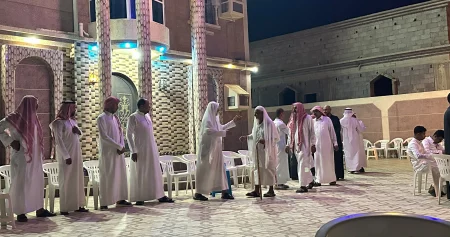











رحل أحمد بن محمد المليص ورحل معه شيء من زمن جميل كان الرجال فيه يعرفون للضيف حقه وللعمل قيمته وللوعد معناه. رحل العم أحمد الذي لم تكن أبوته محصورة في أبنائه وحدهم، بل كان يحمل قلب الأب لكل من حوله، يسأل ويتفقد ويصل رحمه ويقف مع أهله ويمنح القريب منه شعوراً بأنه واحد من أبنائه. وبرحيله عادت تفاصيل كثيرة ومواقف صنعت صورة رجل عاش بهدوء وترك محبة كبيرة في نفوس من عرفوه.
ولد العم أحمد في قرية الريحان ومنها حمل طيبة القرية وكرم أهلها ووفاءهم، ومن هناك بدأت حكايته مع التعليم في زمن كانت المدرسة فيه حلماً لبعض القرى، وكان افتتاح مدرسة يعني بداية طريق جديد لأبنائها.
وفي البدايات الأولى للتعليم النظامي في منطقة الباحة كان أحمد المليص يقطع المسافات الطويلة سيراً على الأقدام إلى قرى غامد وزهران في زمن كانت الأمية فيه واسعة الانتشار. عمل معلماً في عدد من تلك القرى ولم تمنعه مشقة الطريق من الوصول، كان واحداً من رجال ذلك الجيل الذين آمنوا بأن التعليم يجب أن يصل إلى الناس أينما كانوا.
وكان له مع أخيه ورفيق دربه الشيخ سعد بن عبدالله المليص (رحمه الله) وإخوانهم من أبناء العائلة ورجال قرية الريحان والقرى المجاورة، دور بارز في نشر التعليم واستقراره وانطلاقه في المنطقة. ولم تجمع العم أحمد بالشيخ سعد رسالة التعليم وحدها، بل جمعتهما أخوة وصحبة عمر ومحبة وإيثار لافت كان كل واحد منهما يقدم أخاه على نفسه ويرى له قدراً ومكانة. كان أحمد يقدم سعداً وكان سعد يقدم أحمد، وكأن كلاً منهما يؤكد أن يكون أخوه أولاً. ومضت بهما الحياة على ذلك الصفاء حتى فرق الموت بينهما.
وتنقل أحمد المليص معلماً ومديراً ومشرفاً وإدارياً بين القرى والمحافظات والمناطق وعمل لاحقاً مفتشاً إدارياً، وعرف بجديته وحبه للنظام ودقته في أداء مسؤولياته وحرصه على أبنائه الطلاب. ولم تكن زياراته للمدارس بحثاً عن الأخطاء بقدر ما كانت للتوجيه والتطوير، فكان مستشاراً أميناً لمديري المدارس والمعلمين والإداريين ومرجعاً لهم بحكم خبرته وحكمته، يعرف كيف يوصل ملاحظته من غير أن يجرح، وكيف يصوب الخطأ من غير أن ينتقص من صاحبه. وكانت هيبته تأتي من احترام الناس له لا من سلطة الوظيفة.
وكان من وفاء العم أحمد أنه لا يغيب عن أهله ومن يحب، وقد رأيت ذلك عن قرب في اهتمامه بوالدتي (رحمها الله)، فقد كان دائم زيارتها والحرص عليها، وحين بدأت رحلة مرضها ازداد قرباً ومتابعة حتى إنه في أيامها الأولى كان يتابع حالتها على مدار الساعة ثم ظل حاضراً معنا يوماً بعد يوم حتى رحيلها. لم يكن يفعل ذلك مجاملة ولا أداء لواجب، بل كان ذلك طبعه مع أهله ومن حوله وفاء صادق وقلب أبوي يرى الوقوف مع الناس حقاً لا ينبغي أن ينقطع.
أما العم أحمد الذي عرفناه عن قرب فكان بسيطاً هادئاً كريماً وكان بيته عامراً بالضيوف والولائم. كانت سعادته أن يرى الناس حول مائدته، لكنه لا يهنأ بالجلوس معهم، بل يظل واقفاً بينهم يتفقد هذا ويقرب الطعام إلى ذاك وحين يلح عليه أحد بالجلوس كان يبتسم ويقول جملته التي سمعناها منه كثيراً: هل يعقل أن أجلس؟ الكرامة للضيوف.
كنا نسمعها منه ونستغرب لماذا لا يجلس إلى مائدته مع ضيوفه، ومع الزمن فهمنا ما كان يعنيه. لم تكن المسألة طعاماً ولا مائدة، كان هذا طبعه يرى أن كرم الضيف يكتمل بخدمته وأن سعادته في أن يرى ضيوفه سعداء بما قدم لهم كرم بلا تكلف ولا انتظار لثناء.
وكان العم أحمد جميلاً في حضوره، وهبه الله وسامة هادئة، وكان محباً للأناقة وحريصاً على مظهره، أنيق الثياب هادئ الملامح حسن الهيئة دون تكلف، وكان شديد الترتيب بصورة تثير دهشة من حوله. لكل شيء عنده مكان، ولكل موعد حساب، ولكل عمل نظام حتى بدا الترتيب جزءاً من شخصيته وطريقته في الحياة.
واليوم حين أذكر العم أحمد لا تحضر صفة واحدة ولا موقف بعينه، بل تحضر شخصيته بكل تفاصيلها: هدوؤه وأناقته وكرمه ودقته ووفاؤه واحترامه للناس. أشياء عشناها معه وربما لم نتوقف عندها كثيراً إلا بعد رحيله.
وعزاء أهله ومحبيه أنه ترك أبناء وبنات بررة فيهم الكثير منه في هدوئهم وأناقتهم وحكمتهم وحسن تعاملهم، وترك أحفاداً يضرب بهم المثل في التربية وحسن الخلق. ومن يعرف الأسرة يرى أن كثيراً من صفات الجد ما زالت حاضرة في أبنائه وأحفاده.
ومضى العم أحمد بعد طول العمر إلى أخيه ورفيق دربه سعد، ذاك الذي مشى معه أول الطريق وظل قريباً منه حتى فرق بينهما الرحيل. ولعل الله جمع بينهما اليوم في رحمته كما جمع بينهما في الدنيا على المحبة والإيثار والوفاء.
رحم الله العم أحمد، سيبقى في ذاكرة من عرفه كما كان دائماً رجلاً هادئاً أنيقاً كريماً يحمل للناس قلب الأب ويترك في كل مكان مر به ذكرى طيبة.
ولعل أقسى ما في رحيله أن الرجل الذي لم يكن يرضى أن يترك ضيفاً واقفاً ترك هذه المرة كل محبيه واقفين أمام غيابه.
Ahmad bin Muhammad Al-Mulais has passed away, taking with him a piece of a beautiful time when men knew the rights of guests, the value of work, and the meaning of promises. Uncle Ahmad, whose fatherhood was not limited to his own children alone, carried the heart of a father for everyone around him, asking, checking in, maintaining family ties, standing by his relatives, and giving those close to him a feeling that they were one of his own children. With his departure, many details and moments returned, painting the image of a man who lived quietly and left a great love in the hearts of those who knew him.


Uncle Ahmad was born in the village of Al-Raihan, from where he carried the goodness of the village, the generosity of its people, and their loyalty. From there, his story with education began in a time when having a school was a dream for some villages, and the opening of a school meant the start of a new path for its children.
In the early days of formal education in the Al-Baha region, Ahmad Al-Mulais would walk long distances on foot to the villages of Ghamid and Zahran in an era when illiteracy was widespread. He worked as a teacher in several of those villages, and the hardships of the road did not prevent him from reaching them. He was one of the men of that generation who believed that education should reach people wherever they were.
Alongside his brother and companion, Sheikh Saad bin Abdullah Al-Mulais (may God have mercy on him), and their siblings from the family and the men of Al-Raihan village and the neighboring villages, he played a prominent role in spreading education, stabilizing it, and launching it in the region. The bond between Uncle Ahmad and Sheikh Saad was not limited to the message of education alone; they shared brotherhood, companionship, love, and remarkable selflessness, where each would prioritize the other over himself and see in him a value and status. Ahmad would put Saad first, and Saad would put Ahmad first, as if each was affirming that his brother should come first. Life continued for them in that clarity until death separated them.
Ahmad Al-Mulais moved between villages, provinces, and regions as a teacher, director, supervisor, and administrator, later working as an administrative inspector. He was known for his seriousness, love for order, precision in fulfilling his responsibilities, and care for his students. His visits to schools were not merely to seek out mistakes but were aimed at guidance and development. He was a trusted advisor to school directors, teachers, and administrators, serving as a reference for them due to his experience and wisdom, knowing how to convey his observations without hurting anyone and how to correct mistakes without belittling the person at fault. His authority came from the respect people had for him, not from the power of his position.
One of Uncle Ahmad’s loyalties was that he never neglected his family and loved ones. I witnessed this closely in his care for my mother (may God have mercy on her). He would always visit her and take care of her, and when her illness began, he became even closer and more attentive, following her condition around the clock in her early days and remaining present with us day after day until her passing. He did not do this out of courtesy or obligation; it was his nature with his family and those around him—a sincere loyalty and a fatherly heart that saw standing by people as a right that should not be interrupted.
As for the Uncle Ahmad we knew closely, he was simple, calm, and generous, and his house was always filled with guests and feasts. His happiness came from seeing people around his table, yet he could not enjoy sitting with them; he would remain standing among them, checking on one and bringing food to another. When someone insisted he sit down, he would smile and say his phrase that we often heard from him: “Is it reasonable for me to sit? Dignity is for the guests.”
We would hear this from him and wonder why he did not sit at his table with his guests, but over time, we understood what he meant. It was not about the food or the table; it was his nature to see that the generosity towards guests was completed by serving them, and his happiness lay in seeing his guests content with what he offered them—a generosity without pretense or expectation of praise.
Uncle Ahmad was beautiful in his presence; God granted him a quiet handsomeness. He loved elegance and was keen on his appearance, always dressed neatly, with calm features and a good demeanor without pretension. He was extremely organized in a way that amazed those around him. Everything had its place, every appointment was accounted for, and every task had its system, making organization a part of his personality and his way of life.
Today, when I remember Uncle Ahmad, no single trait or specific moment comes to mind, but rather his entire personality with all its details: his calmness, elegance, generosity, precision, loyalty, and respect for people. These are things we lived with him, perhaps not stopping to appreciate them much until after his departure.
His family and loved ones find solace in the fact that he left behind righteous sons and daughters who carry much of him in their calmness, elegance, wisdom, and good conduct, and he left grandchildren who are exemplary in upbringing and good character. Those who know the family see that many of the grandfather’s qualities are still present in his children and grandchildren.
Uncle Ahmad has passed away after a long life, joining his brother and companion Saad, who walked with him at the beginning of the journey and remained close to him until parting was brought about by death. Perhaps God has reunited them today in His mercy as He brought them together in this world through love, selflessness, and loyalty.
May God have mercy on Uncle Ahmad; he will remain in the memory of those who knew him as he always was—a calm, elegant, and generous man who carried the heart of a father for people and left a good memory wherever he went.
Perhaps the hardest part of his departure is that the man who would not allow a guest to stand has left all his loved ones standing in front of his absence.