




 حالة الطقس
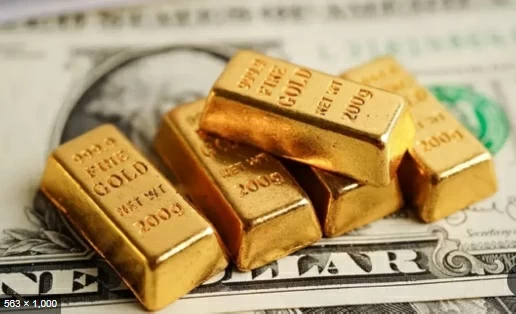
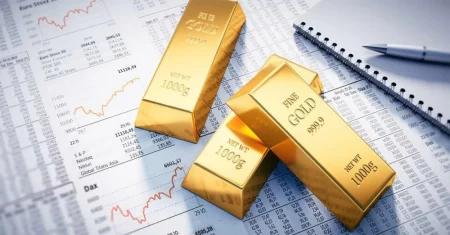
كشفت بيانات وكالة بلومبيرغ، أنه توجد 4 أسباب لتراجع أسعار الذهب بنحو 17% منذ اندلاع حرب الولايات المتحدة وإسرائيل ضد إيران، تشمل الارتفاع التاريخي قبل الحرب؛ فالذهب كان قد بلغ مستويات قياسية بفعل موجة شراء ضخمة، ما جعله أكثر الأصول جذباً للمستثمرين قبل الأزمة. وعندما بدأ الصراع، اتجه المستثمرون لبيع الأصول التي حققت أرباحاً سريعة، بما فيها الذهب.
السبب الثاني «السيولة هي الملك»؛ ففي الأزمات يبحث المستثمرون عن الأصول الأسرع سيولة لتأمين أموالهم، والذهب يعد من أكثر الأصول سيولة في الأسواق، ما دفع الكثيرين إلى بيعه بسرعة لتوفير السيولة النقدية اللازمة.
أسعار الفائدة
وتبرز تخوفات أسعار الفائدة كأحد أسباب التراجع، فارتفاع أسعار الفائدة يزيد من العوائد على السندات، والذهب لا يولد أي عائد مباشر. هذا يقلل من جاذبيته أمام المستثمرين الذين يبحثون عن استثمارات منتجة خلال الأزمة.
أما السبب الرابع فهو دور البنوك المركزية، إذ كانت تقليدياً أكبر مشترٍ للذهب، قد تضطر لبيع جزء من احتياطياتها لتمويل تكاليف الطاقة والدفاع، وهو ما يضاعف الضغوط على أسعار الذهب ويغير قواعد اللعبة التقليدية للأزمات.
Bloomberg Agency data revealed that there are 4 reasons for the decline in gold prices by about 17% since the outbreak of the U.S. and Israel’s war against Iran. These include the historic rise before the war; gold had reached record levels due to a massive buying wave, making it the most attractive asset for investors before the crisis. When the conflict began, investors turned to sell assets that had generated quick profits, including gold.
The second reason is “liquidity is king”; in crises, investors seek the most liquid assets to secure their funds, and gold is one of the most liquid assets in the markets, prompting many to sell it quickly to provide the necessary cash liquidity.
Interest rates
Concerns about interest rates emerge as one of the reasons for the decline, as rising interest rates increase returns on bonds, and gold does not generate any direct yield. This reduces its attractiveness to investors looking for productive investments during the crisis.
The fourth reason is the role of central banks, which have traditionally been the largest buyers of gold, may be forced to sell part of their reserves to finance energy and defense costs, which exacerbates the pressures on gold prices and changes the traditional rules of the game during crises.