




 حالة الطقس
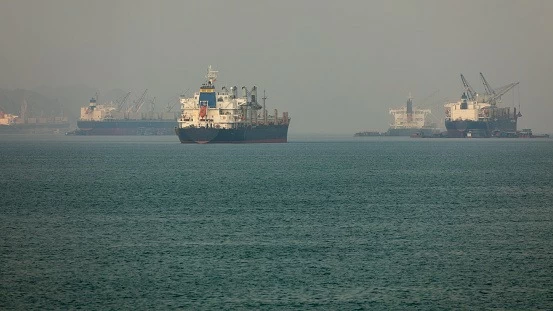
أعلنت الحكومة الماليزية، اليوم الأربعاء، أن سفناً ماليزية عدة تنتظر عبور مضيق هرمز حصلت على السماح بالمرور دون الاضطرار إلى دفع أي رسوم عبور لإيران، في خطوة تعكس العلاقات الدبلوماسية الجيدة بين البلدين وسط التوترات المتزايدة في المنطقة.
وقال المتحدث باسم الحكومة الماليزية وزير الاتصالات فهمي فاضل، خلال مؤتمر صحفي دوري: «لدينا سفن عدة تنتظر عبور مضيق هرمز، وسُمح لها بالمرور دون الاضطرار إلى دفع أي رسوم عبور لإيران. لن ندفع أي رسوم، خلافاً لما ربما أساء بعض مستخدمي الإنترنت فهمه».
وأكد فاضل أن الوضع تحت السيطرة، مشيراً إلى أن التصريحات الرسمية فقط هي المعتمدة فيما يتعلق بأسعار الوقود والإمدادات.
وكانت إيران أعلنت في وقت سابق، أنه سيسمح بمرور السفن غير المعادية فقط عبر مضيق هرمز، وذلك بالتنسيق مع الجهات الإيرانية المختصة.
يأتي هذا الإعلان في ظل تصاعد التوترات في الشرق الأوسط، إذ أقر البرلمان الإيراني تشريعات تسمح بفرض رسوم مرور على السفن العابرة لمضيق هرمز، الذي يُعد أحد أهم ممرات النفط في العالم، والذي يمر عبر هذا المضيق نحو 20-30% من إمدادات النفط العالمية وجزء كبير من الغاز الطبيعي المسال.
وتشير التقارير إلى أن إيران بدأت في تطبيق سياسة انتقائية، تسمح للسفن التابعة للدول «الصديقة» بالعبور مجاناً أو بأمان، بينما تفرض قيوداً أو رسوماً على السفن المرتبطة بدول تشارك في الصراع أو تعتبرها معادية (مثل الولايات المتحدة وإسرائيل).
وبالنسبة لماليزيا، أكدت وزارة النقل الماليزية والسفير الإيراني في كوالالمبور أن السفن الماليزية معفاة تماماً من أي رسوم، بفضل «العلاقات الدبلوماسية الجيدة» بين البلدين، وذكرت تقارير أن هناك نحو 7 سفن ماليزية كانت تنتظر التصريح بالعبور.
وتعتمد ماليزيا، رغم كونها منتجة للنفط، على استيراد جزء كبير من حاجاتها، ويمر نحو 50% من إمداداتها النفطية عبر مضيق هرمز. وقد أدى التوتر في المنطقة إلى ارتفاع أسعار النفط العالمية، مما دفع الحكومة الماليزية إلى زيادة الدعم على الوقود (من 700 مليون رينجت شهرياً إلى 3.2 مليار رينجت) للحفاظ على استقرار الأسعار المحلية حتى مايو على الأقل.
The Malaysian government announced today, Wednesday, that several Malaysian ships waiting to cross the Strait of Hormuz have been granted permission to pass without having to pay any transit fees to Iran, in a move that reflects the good diplomatic relations between the two countries amid rising tensions in the region.
Malaysian government spokesperson and Communications Minister Fahmi Fadzil stated during a regular press conference: “We have several ships waiting to cross the Strait of Hormuz, and they have been allowed to pass without having to pay any transit fees to Iran. We will not pay any fees, contrary to what some internet users may have misunderstood.”
Fadzil confirmed that the situation is under control, noting that only official statements are recognized regarding fuel prices and supplies.
Earlier, Iran announced that only non-hostile ships would be allowed to pass through the Strait of Hormuz, in coordination with the relevant Iranian authorities.
This announcement comes amid escalating tensions in the Middle East, as the Iranian parliament approved legislation allowing transit fees to be imposed on ships crossing the Strait of Hormuz, which is considered one of the most important oil passages in the world, through which approximately 20-30% of global oil supplies and a large portion of liquefied natural gas pass.
Reports indicate that Iran has begun to implement a selective policy, allowing ships from “friendly” countries to pass for free or safely, while imposing restrictions or fees on ships associated with countries involved in the conflict or considered hostile (such as the United States and Israel).
Regarding Malaysia, the Malaysian Ministry of Transport and the Iranian ambassador in Kuala Lumpur confirmed that Malaysian ships are completely exempt from any fees, thanks to the “good diplomatic relations” between the two countries, with reports stating that there are about 7 Malaysian ships waiting for permission to cross.
Despite being an oil-producing country, Malaysia relies on importing a large part of its needs, with approximately 50% of its oil supplies passing through the Strait of Hormuz. The tensions in the region have led to a rise in global oil prices, prompting the Malaysian government to increase fuel subsidies (from 700 million ringgit per month to 3.2 billion ringgit) to maintain stability in local prices at least until May.