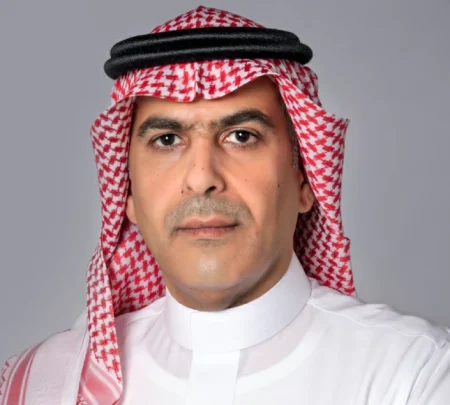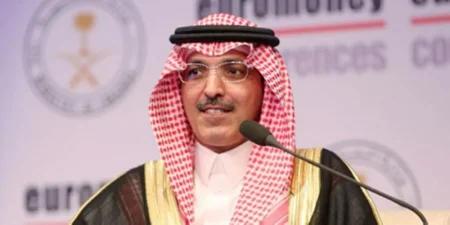








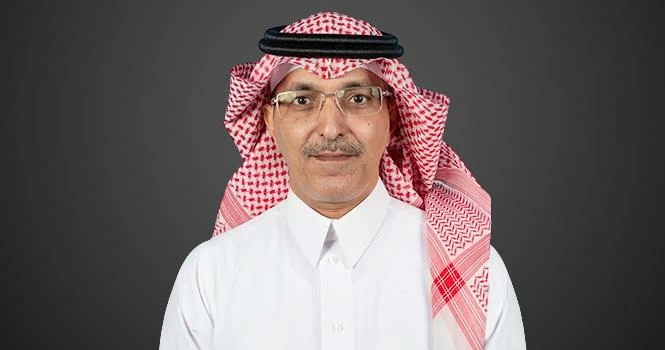
أعلن وزير المالية محمد الجدعان أن الاقتصاد العالمي أظهر قدرة على الصمود في مواجهة الصدمات، إلا أنه أصبح في الوقت ذاته أكثر عرضة للمخاطر.
تعزيز المرونة الاقتصادية
وقال الوزير الجدعان خلال الاجتماع الثاني لوزراء المالية ومحافظي البنوك المركزية لمجموعة العشرين، في مدينة آشفيل بولاية كارولاينا الشمالية في الولايات المتحدة، إن التجارب الأخيرة أكدت أهمية تعزيز المرونة الاقتصادية من خلال تنويع بدائل الإنتاج، وضمان توافر المخزونات، والحفاظ على بنية تحتية ذات طاقة استيعابية احتياطية، باعتبارها خط الدفاع الاقتصادي الأول في مواجهة الصدمات.
وشدد الوزير على أهمية تعزيز قدرة الاقتصادات على تحقيق نمو قوي ومستدام على المدى الطويل، وأشار إلى أن القيود التي تحد من النمو تختلف من اقتصاد إلى آخر وتتغير مع مراحل تطوره.
وأوضح أن تعزيز إمكانات النمو يتطلب تحديد القيود الأكثر تأثيراً في كل مرحلة، وتكييف السياسات والإصلاحات بما يتناسب مع طبيعة هذه التحديات وتطورها.
وفي جلسة «الاختلالات العالمية»، أكد الجدعان أن الفوائض والعجوزات الخارجية قد تعكس اختلاف الظروف والهياكل الاقتصادية بين الدول، ولا تمثل بالضرورة اختلالاً في حد ذاتها، وأشار إلى أن المعالجة الفاعلة للاختلالات العالمية تتطلب النظر إلى ما يتجاوز التدفقات التجارية، بما في ذلك الأوضاع المالية والاقتصادية المحلية والعوامل الهيكلية المسببة لها.
معالجة تحديات الديون
وفي جلسة «الديون السيادية»، أشار الجدعان إلى أن بناء منظومة دولية أكثر متانة لمعالجة تحديات الديون لا يقتصر على التعامل بفاعلية أكبر مع أزمات الديون في الدول الهشة، بل يتطلب أيضاً الحد من تراكم الديون التي لا تسهم في تحقيق عوائد اقتصادية وتنموية مستدامة.
وشدد على أن تعزيز قدرات الدول على تقييم احتياجاتها التمويلية وإدارة استدامة ديونها يمثل ركيزة أساسية للوقاية من تحول ضغوط السيولة إلى أزمات ديون أعمق.
وعلى هامش الاجتماعات، عقد الجدعان عدداً من اللقاءات الثنائية مع نظرائه من الدول المشاركة وكبار مسؤولي المؤسسات المالية الدولية، تناولت التطورات الاقتصادية العالمية، والقضايا المالية ذات الاهتمام المشترك، وفرص تعزيز التعاون وتبادل الخبرات في المجالات الاقتصادية والمالية.
Finance Minister Mohammed Al-Jadaan announced that the global economy has shown resilience in the face of shocks, but at the same time, it has become more susceptible to risks.
Enhancing Economic Resilience
The minister stated during the second meeting of finance ministers and central bank governors of the G20, in Asheville, North Carolina, USA, that recent experiences have confirmed the importance of enhancing economic resilience through diversifying production alternatives, ensuring the availability of stocks, and maintaining infrastructure with spare capacity, as the first line of economic defense against shocks.
The minister emphasized the importance of enhancing the ability of economies to achieve strong and sustainable growth in the long term, noting that the constraints limiting growth vary from one economy to another and change with the stages of its development.
He explained that enhancing growth potential requires identifying the most impactful constraints at each stage and adapting policies and reforms to suit the nature of these challenges and their evolution.
In the session on “Global Imbalances,” Al-Jadaan affirmed that surpluses and deficits may reflect differing conditions and economic structures among countries, and do not necessarily represent an imbalance in themselves. He noted that effective addressing of global imbalances requires looking beyond trade flows, including local financial and economic conditions and the structural factors causing them.
Addressing Debt Challenges
In the “Sovereign Debt” session, Al-Jadaan pointed out that building a more resilient international system to address debt challenges is not limited to more effective handling of debt crises in vulnerable countries, but also requires reducing the accumulation of debts that do not contribute to achieving sustainable economic and developmental returns.
He stressed that enhancing countries’ capabilities to assess their financing needs and manage the sustainability of their debts is a fundamental pillar for preventing liquidity pressures from turning into deeper debt crises.
On the sidelines of the meetings, Al-Jadaan held several bilateral meetings with his counterparts from participating countries and senior officials of international financial institutions, discussing global economic developments, financial issues of mutual interest, and opportunities to enhance cooperation and exchange experiences in economic and financial fields.