



 حالة الطقس
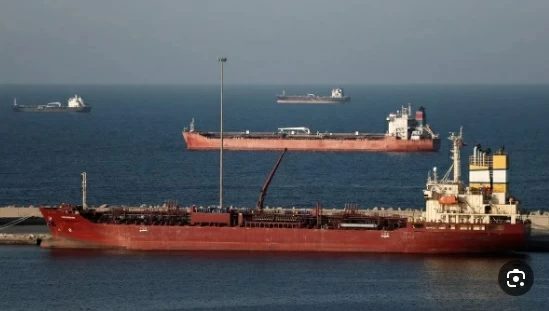
أفادت وسائل إعلام إيرانية بأن البرلمان يدرس مقترحاً لفرض رسوم وضرائب على ما وصفته بـ«المرور الآمن» للسفن عبر مضيق هرمز، في خطوة قد تعيد تشكيل حركة التجارة والطاقة في أحد أهم الممرات البحرية عالمياً.
تصاعد التوترات
ويأتي هذا التوجه في ظل تصاعد التوترات الإقليمية المرتبطة بالحرب الدائرة، إذ تسعى إيران إلى تعزيز نفوذها في الممر الإستراتيجي الذي يمر عبره نحو خُمس إمدادات النفط العالمية.
وتعرضت منشآت للغاز الطبيعي في حقل بارس الجنوبي جنوب إيران لهجوم أمس، ما أدى إلى اندلاع حريق في منطقة عسلوية بمحافظة بوشهر، وفق ما أفادت به وسائل إعلام رسمية إيرانية.
ويقع حقل بارس الجنوبي، أكبر حقل غاز في العالم، قبالة سواحل منطقة بوشهر جنوب إيران، وتأتي منه الحصة الأكبر من إنتاج الغاز في البلاد.
واقع جديد
وفي سياق متصل، نقلت وكالة مهر الإيرانية، عن عضو مجمع تشخيص مصلحة النظام الإيراني محمد مخبر، قوله إن طهران تعمل على تطوير «نظام جديد» لإدارة مضيق هرمز بعد انتهاء الحرب.
وأكد مخبر أن هذه الخطوة قد تنقل إيران من موقع الدولة الخاضعة للعقوبات إلى لاعب أكثر قوة وتأثيراً على المستويين الإقليمي والدولي.
وتعكس هذه التصريحات توجّهاً إيرانياً لإعادة صياغة قواعد التعامل في المضيق، بما قد يفرض واقعاً جديداً على حركة الشحن العالمية وأسواق الطاقة، في حال تطبيق هذه الإجراءات.
ويُعتبر مضيق هرمز واحداً من أهم الممرات البحرية الإستراتيجية في العالم، إذ يمر عبره نحو خُمس استهلاك النفط العالمي، أي نحو 20 مليون برميل يومياً، إضافة إلى ثُلث تجارة الغاز الطبيعي المسال. ويربط المضيق الخليج العربي بخليج عمان، وهو المنفذ البحري الوحيد لتصدير النفط الخليجي، ما يجعله نقطة اختناق رئيسية تؤثر مباشرة على الاقتصاد العالمي وأسواق الطاقة.
Iranian media reported that the parliament is considering a proposal to impose fees and taxes on what it described as the “safe passage” of ships through the Strait of Hormuz, in a move that could reshape trade and energy flows in one of the world’s most important maritime corridors.
Escalating Tensions
This shift comes amid escalating regional tensions related to the ongoing war, as Iran seeks to enhance its influence in the strategic corridor through which nearly one-fifth of global oil supplies pass.
Yesterday, natural gas facilities in the South Pars field in southern Iran were attacked, resulting in a fire in the Asaluyeh area of Bushehr province, according to reports from Iranian state media.
The South Pars field, the largest gas field in the world, is located off the coast of Bushehr province in southern Iran, and it accounts for the largest share of the country’s gas production.
A New Reality
In a related context, the Mehr news agency quoted a member of the Iranian Expediency Discernment Council, Mohammad Mokhber, stating that Tehran is working on developing a “new system” for managing the Strait of Hormuz after the war ends.
Mokhber emphasized that this step could shift Iran from a position of a sanctioned state to a more powerful and influential player at both the regional and international levels.
These statements reflect an Iranian intention to reshape the rules of engagement in the strait, which could impose a new reality on global shipping and energy markets if these measures are implemented.
The Strait of Hormuz is considered one of the most strategically important maritime corridors in the world, as it accounts for nearly one-fifth of global oil consumption, approximately 20 million barrels per day, in addition to one-third of liquefied natural gas trade. The strait connects the Arabian Gulf to the Gulf of Oman and is the only maritime outlet for exporting Gulf oil, making it a major choke point that directly affects the global economy and energy markets.