









تباينت الأسواق الآسيوية مع ارتداد أسعار الطاقة بعد انخفاضها واستمرار مخاطر الملاحة في مضيق هرمز، واستمرار المخاوف بشأن التضخم وارتفاع كلفة الاستيراد، مع غموض حول الاتصالات الأمريكية الإيرانية.
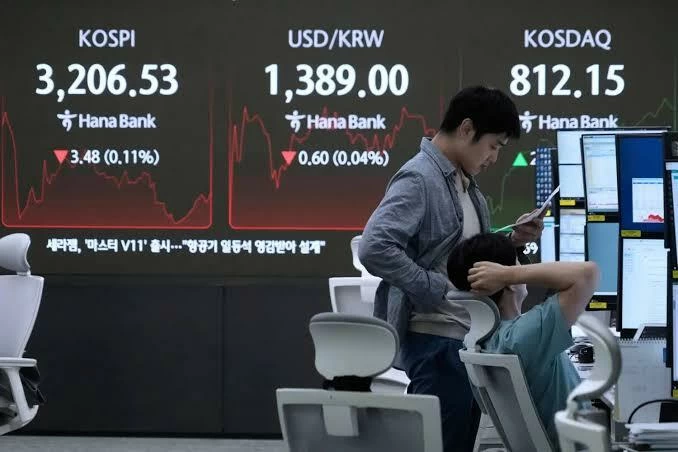
وارتفعت الأسهم في سيؤول وسيدني وشنغهاي، بينما تراجعت في هونغ كونغ، وظلت العملات والسندات حساسة لأي تصعيد جديد. وارتفع مؤشر «نيكاي 225» الياباني 0.32%، وقفز «كوسبي» الكوري الجنوبي 1.6%، وأضاف مؤشر «إس آند بي/أيه إس إكس 200» الأسترالي 1.4%. كما صعد مؤشر شنغهاي المركب 0.3%، في حين خسر مؤشر هانغ سنغ في هونغ كونغ 0.6%.
طلب ضعيف
تعرضت السندات اليابانية لضغوط بعد مزاد للسندات الحكومية لأجل 10 سنوات شهد طلباً أضعف من المزاد السابق، ما دفع العوائد إلى الارتفاع وأبقى القلق بشأن تكلفة الاقتراض والسياسة المالية قائماً. تصدّر البيزو الفلبيني خسائر العملات الآسيوية المستوردة للنفط، بينما حذرت «يو بي إس غروب» (UBS Group AG) من أن ارتفاع النفط والعوائد الأمريكية، مع إحجام البنوك المركزية الناشئة عن رفع الفائدة، يزيد صعوبة جذب تدفقات رأس المال، بحسب تقرير لـ«بلومبرغ». في اليابان، تراجع الين 0.4% إلى 157.8 ين للدولار، لكنه احتفظ بمعظم المكاسب التي حققها عقب التدخل المشترك بين طوكيو وواشنطن، وظل أعلى بنحو 4% مقارنة بمستواه قبل أسبوع.
تقلبات الأسهم
في كوريا الجنوبية، أظهر محضر بنك كوريا أن أعضاء مجلس السياسة النقدية ناقشوا توقيت ووتيرة زيادات إضافية في أسعار الفائدة، مع تأييد بعضهم تحركاً استباقياً لمواجهة ضغوط التضخم. ورأى أحد الأعضاء أن الزيادة الأخيرة وحدها لن تكون كافية لإعادة التضخم إلى المستوى المستهدف. بالتوازي، تعهدت الحكومة الكورية باتخاذ إجراءات للحد من تقلبات الأسهم، من بينها وضع سقف قد يقصر استثمارات الفرد في الصناديق المتداولة ذات الرافعة المالية المرتبطة بسهم واحد على 20% من إجمالي أصوله الاستثمارية.
Asian markets varied with a rebound in energy prices after their decline and ongoing navigation risks in the Strait of Hormuz, along with persistent concerns about inflation and rising import costs, amid uncertainty regarding U.S.-Iran communications.
Stocks rose in Seoul, Sydney, and Shanghai, while they fell in Hong Kong, and currencies and bonds remained sensitive to any new escalation. The Japanese “Nikkei 225” index rose by 0.32%, the South Korean “KOSPI” jumped by 1.6%, and the Australian “S&P/ASX 200” added 1.4%. The Shanghai Composite Index also increased by 0.3%, while the Hang Seng Index in Hong Kong lost 0.6%.
Weak Demand
Japanese bonds faced pressure after a 10-year government bond auction saw weaker demand than the previous auction, pushing yields up and maintaining concerns about borrowing costs and fiscal policy. The Philippine peso led losses among Asian oil-importing currencies, while UBS Group AG warned that rising oil prices and U.S. yields, coupled with emerging central banks’ reluctance to raise interest rates, make it more difficult to attract capital flows, according to a Bloomberg report. In Japan, the yen fell by 0.4% to 157.8 yen per dollar, but retained most of the gains made following the joint intervention by Tokyo and Washington, remaining about 4% higher compared to its level a week ago.
Stock Volatility
In South Korea, the Bank of Korea’s minutes showed that monetary policy board members discussed the timing and pace of additional interest rate hikes, with some supporting a preemptive move to address inflationary pressures. One member noted that the recent increase alone would not be sufficient to bring inflation back to the target level. Concurrently, the Korean government pledged to take measures to curb stock volatility, including setting a cap that may limit individual investments in leveraged exchange-traded funds linked to a single stock to 20% of their total investment assets.