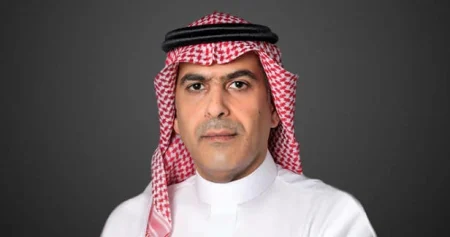











أعلن المستشار السابق لوزير المالية الكويتي محمد رمضان أن تقارير وكالات التصنيف الائتماني لا تشير إلى مخاطر كبيرة تستدعي خفض التصنيف للكويت في الوقت الحالي. وأوضح أن الاحتياطيات المالية الكبيرة والصندوق السيادي يشكلان مظلة حماية قوية للوضع المالي للدولة، وذلك بحسب ما نشر موقع قناة «العربية».
وأكد أن استمرار الأزمة لعدة أشهر إضافية لن يؤدي بالضرورة إلى خفض التصنيف الائتماني طالما بقيت الاحتياطيات المالية عند مستوياتها الحالية، مشدداً على أن الأسواق ووكالات التصنيف تنظر إلى الأزمة الحالية باعتبارها أزمة مؤقتة وليست هيكلية أو طويلة الأمد.
توقعات التعافي
وذكر رمضان أن التوقعات التي تشير إلى انكماش الاقتصاد الكويتي بنسبة 8% خلال العام الحالي تتوافق إلى حد كبير مع تقديرات صندوق النقد الدولي، لافتاً إلى أن الانخفاض المرتقب في الناتج المحلي يأتي نتيجة إغلاق مضيق هرمز والظروف الجيوسياسية الراهنة التي ألقت بظلالها على النشاط الاقتصادي.
وأكد أن التوقعات الخاصة بالعام القادم تبدو أكثر تفاؤلاً، مشيراً إلى أن الاقتصاد الكويتي مرشح لتحقيق نمو يتجاوز 10%، وهو ما يعكس توقعات بحدوث تعافٍ سريع عقب انتهاء الأزمة الحالية.
وأضاف أن الأزمة بطبيعتها مؤقتة، وحتى في حال امتدادها خلال العام الحالي فمن غير المتوقع أن تستمر إلى العام القادم، لافتاً إلى أن استمرارها لفترة أطول سيدفع نحو إيجاد بدائل وحلول أخرى، ما يجعل آثارها محدودة زمنياً.
رسائل تحذير
وفي ما يخص المخاوف المتعلقة بمنشآت الطاقة والبنية التحتية النفطية، أوضح رمضان أن احتمال تعرض المنشآت النفطية الكويتية لأضرار كبيرة يظل مستبعداً، مؤكداً أن أي هجوم واسع النطاق ستكون له تبعات كبيرة على الجهة المنفذة له. وأشار إلى أن أي استهداف محتمل سيبقى في إطار الرسائل التحذيرية المحدودة، مستبعداً في الوقت الراهن وقوع هجمات واسعة على منشآت الطاقة أو البنية التحتية في الكويت تؤدي إلى أضرار طويلة الأمد. وفي ما يتعلق بتراجع الإيرادات النفطية وتأثيره في المالية العامة، قال إن الكويت لا تواجه ضرورة ملحة للاقتراض نظراً إلى امتلاكها صندوقاً سيادياً ضخماً يمكن الاستفادة منه عند الحاجة، سواء عبر تسييل بعض الأصول أو استخدام موارد الصندوق.
The former advisor to the Kuwaiti Minister of Finance, Mohamed Ramadan, announced that reports from credit rating agencies do not indicate significant risks that would necessitate a downgrade of Kuwait’s rating at this time. He explained that the large financial reserves and the sovereign fund form a strong protective umbrella for the country’s financial situation, according to what was published by Al Arabiya channel’s website.
He confirmed that the continuation of the crisis for several additional months would not necessarily lead to a credit rating downgrade as long as financial reserves remain at their current levels, emphasizing that markets and rating agencies view the current crisis as temporary rather than structural or long-term.
Recovery Expectations
Ramadan mentioned that the forecasts indicating a contraction of the Kuwaiti economy by 8% during the current year largely align with the International Monetary Fund’s estimates, pointing out that the anticipated decline in GDP is a result of the closure of the Strait of Hormuz and the current geopolitical conditions that have cast a shadow over economic activity.
He confirmed that the forecasts for the coming year appear more optimistic, noting that the Kuwaiti economy is poised to achieve growth exceeding 10%, reflecting expectations of a rapid recovery following the end of the current crisis.
He added that the crisis is inherently temporary, and even if it extends throughout the current year, it is not expected to continue into the next year, pointing out that its prolonged duration would push towards finding alternatives and other solutions, which would limit its effects in terms of time.
Warning Messages
Regarding concerns related to energy facilities and oil infrastructure, Ramadan clarified that the likelihood of significant damage to Kuwaiti oil facilities remains unlikely, affirming that any large-scale attack would have significant repercussions for the perpetrator. He indicated that any potential targeting would remain within the framework of limited warning messages, currently ruling out the occurrence of large-scale attacks on energy facilities or infrastructure in Kuwait that would lead to long-term damage. Concerning the decline in oil revenues and its impact on public finances, he stated that Kuwait does not face an urgent need to borrow given its possession of a massive sovereign fund that can be utilized when necessary, either by liquidating some assets or using the fund’s resources.