









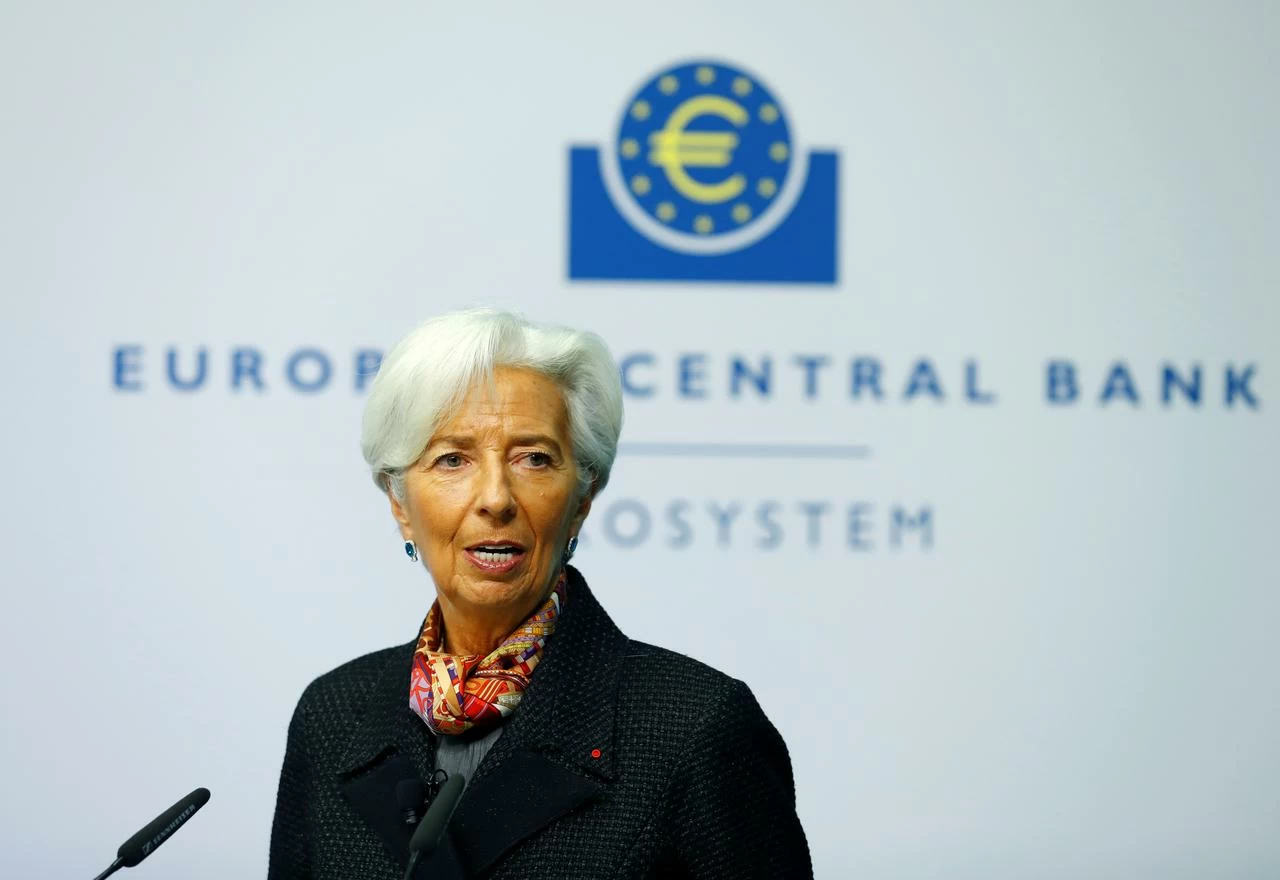
أعلنت رئيسة البنك المركزي الأوروبي كريستين لاغارد أن التضخم في منطقة اليورو سيظل مرتفعاً لبعض الوقت. وقالت لاغارد في مقابلة مع صحيفة «ويست فرانس» (Ouest-France): «الصدمة الحالية أطول أمداً، والصراع في الشرق الأوسط مستمر، ونتوقع استمرار التقلبات والضغوط على أسعار الطاقة، رغم أن ارتفاع الأسعار يشكل أيضاً خطراً على النمو وقد يؤدي إلى تباطئه». وأفادت لاغارد، وفق نص المقابلة المنشور على موقع البنك المركزي الأوروبي: «حدثت صدمة كبيرة من المرجح أن تستمر لفترة أطول مما توقعنا».
تقييمات الأصول
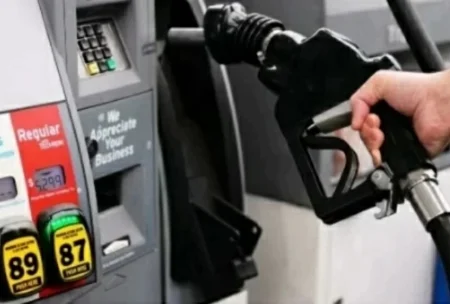
وأشارت إلى أن حرب إيران وتدمير طاقات التكرير حول العالم، خصوصاً في روسيا، أديا إلى «زيادة تكاليف الطاقة، وهذا يدفع جميع الأسعار إلى الارتفاع». وتابعت: «في مثل هذا الوضع، ومع تمتع اقتصادنا أيضاً بالمتانة، نكون ملزمين بالتحرك». وأضافت: «تقييمات الأصول في قطاع الذكاء الاصطناعي مرتفعة للغاية. وتشكل عمليات الطرح العام الأولي المختلفة المزمع تنفيذها دليلاً على ذلك، وهناك أيضاً خطر إضافي يخضع للتقييم حالياً، وهو التعاملات الدائرية، أي عندما تستحوذ شركة على حصة في شركة أخرى، ثم تمنحها الأخيرة عقداً لتوريد الرقائق الإلكترونية، وهكذا».
إصلاحات هيكلية
وذكرت لاغارد بقولها: «حدوث تصحيح أمر ممكن تماماً. متى؟ لا نعرف، تمتلك البنوك الأوروبية أصولاً مرتبطة بالذكاء الاصطناعي، لكن قطاعنا المالي، كما قلت، أقوى بكثير مما كان عليه في السابق، وفرنسا من الدول التي تخطط لتنفيذ إصلاحات هيكلية، وسيكون من المهم للغاية أن تنفذها، ولقد كررت أن اقتراحاً من أقصى اليسار لخفض ديون فرنسا الضخمة من خلال إلغاء الديون التي تحتفظ بها البنوك المركزية لا يبدو منطقياً، وسيكون»خطيراً للغاية من الناحية المالية”. وكان البنك المركزي الأوروبي قد رفع أسعار الفائدة هذا الأسبوع للمرة الثانية منذ أن أدت حرب إيران إلى ارتفاع أسعار النفط والغاز. ويتوقع مسؤولو السياسة النقدية مزيداً من الزيادات لإعادة التضخم، الذي يتجاوز حالياً 3%، إلى 2%، بحسب ما أفاد أشخاص مطلعون على مناقشاتهم لـ«بلومبرغ».
The President of the European Central Bank, Christine Lagarde, announced that inflation in the Eurozone will remain high for some time. Lagarde stated in an interview with the newspaper “Ouest-France”: “The current shock is more prolonged, the conflict in the Middle East continues, and we expect volatility and pressure on energy prices to persist, although rising prices also pose a risk to growth and may lead to a slowdown.” Lagarde reported, according to the text of the interview published on the European Central Bank’s website: “A significant shock has occurred that is likely to last longer than we anticipated.”
Asset Valuations
She pointed out that the war in Iran and the destruction of refining capacities around the world, particularly in Russia, have led to “increased energy costs, which drives all prices up.” She continued: “In such a situation, and with our economy also being robust, we are obliged to act.” She added: “Asset valuations in the artificial intelligence sector are extremely high. The various initial public offerings planned are evidence of this, and there is also an additional risk currently being assessed, which is circular transactions, that is when one company acquires a stake in another company, and then the latter grants it a contract to supply electronic chips, and so on.”
Structural Reforms
Lagarde mentioned, saying: “A correction is entirely possible. When? We don’t know. European banks hold assets linked to artificial intelligence, but our financial sector, as I said, is much stronger than it was before, and France is one of the countries planning to implement structural reforms, and it will be extremely important to carry them out. I have reiterated that a proposal from the far left to reduce France’s massive debts by canceling the debts held by central banks does not seem logical and would be ‘extremely dangerous from a financial standpoint.’ The European Central Bank raised interest rates this week for the second time since the war in Iran led to rising oil and gas prices. Monetary policy officials expect further increases to bring inflation, which currently exceeds 3%, back to 2%, according to people familiar with their discussions with Bloomberg.