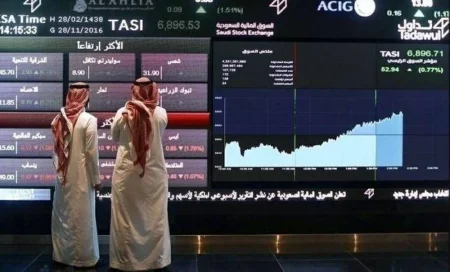










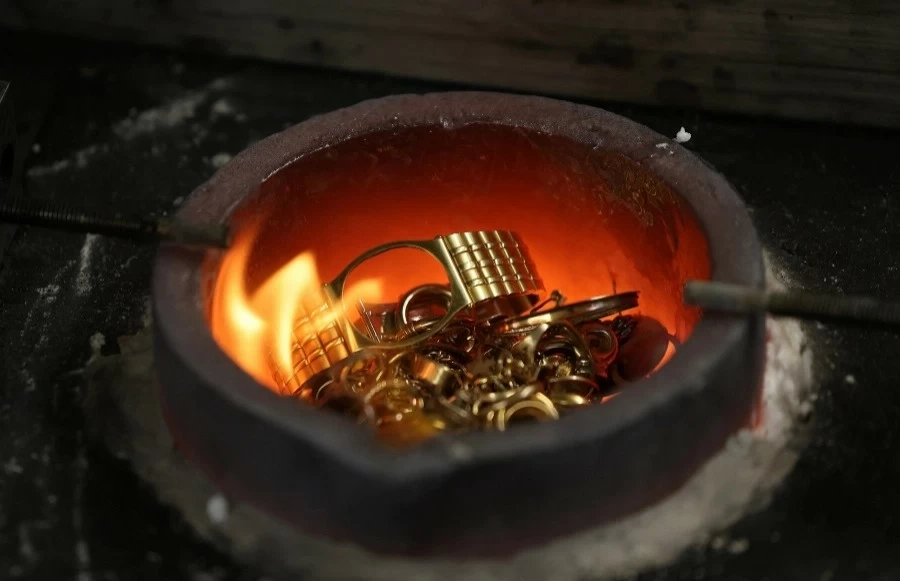
أدى الارتفاع القياسي في أسعار الذهب، منذ يناير الماضي، إلى بروز ظاهرة لافتة في أسواق الساعات الفاخرة؛ حيث اتجه عدد متزايد من التجار والمستثمرين إلى صهر الساعات الكلاسيكية المصنوعة من الذهب، بعدما أصبحت قيمتها المعدنية أعلى من قيمتها عند إعادة البيع.
وأكد أكثر من عشرة تجار وخبراء ومستشارين استثماريين أن العلامات الفاخرة المستعملة، مثل (أوميجا) و(تاج هوير) التابعة لمجموعة LVMH، كانت الأكثر تأثرًا بهذا التحول، إذ باتت بعض طرزها تُعامل كذهب خام أكثر من كونها ساعات قابلة للاقتناء.
حالة نموذجية
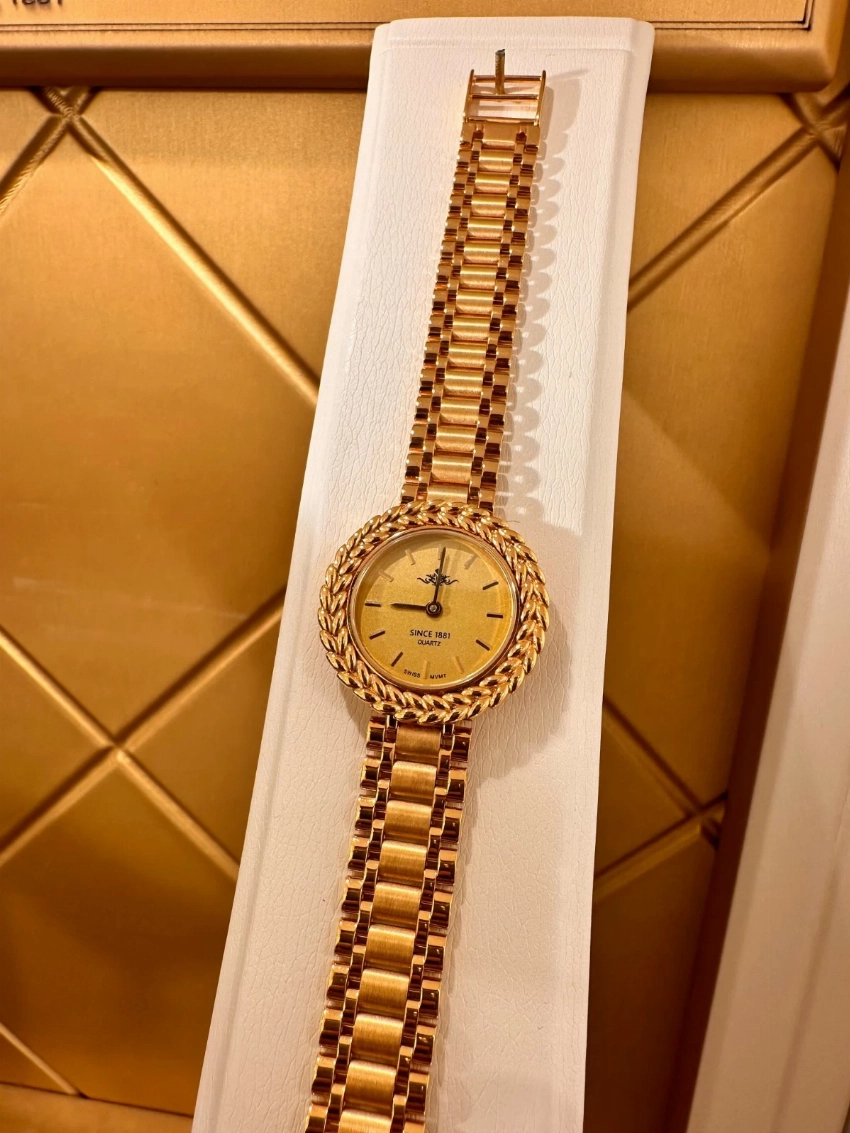
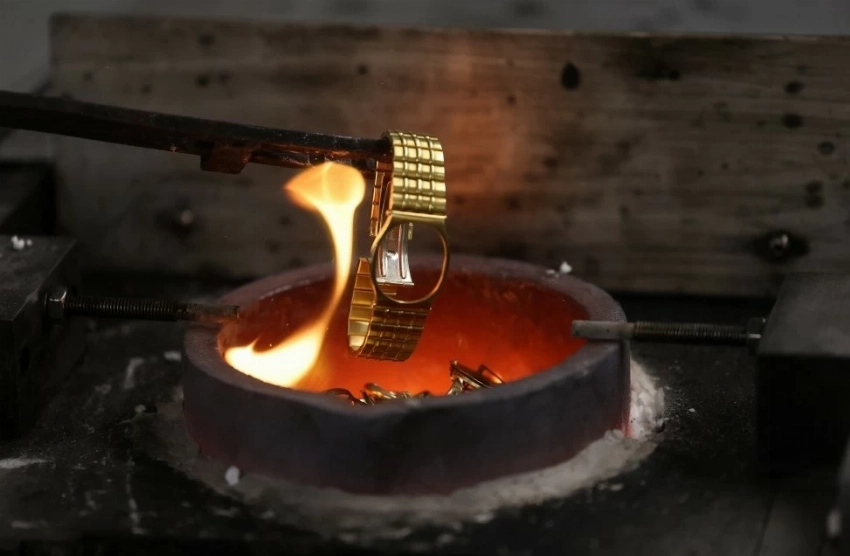
وفي مثال بارز على هذا التوجه، أقدم التاجر البريطاني جون وايت من شركة (جولد تريدرز) على صهر ساعة (كونستليشن) من عيار 18 قيراطًا تعود إلى أواخر السبعينيات وكانت بحالة ممتازة، بعدما بلغت قيمة الذهب فيها نحو 5750 جنيهًا إسترلينيًا؛ أي أعلى بنسبة 35% من قيمتها التقديرية في المزاد التي تراوحت بين 4000 و4500 جنيه. ويقول وايت “إن هذه الساعة ليست حالة استثنائية، بل واحدة من (عشرات الساعات) التي صهرها هذا العام مع تصاعد الطلب على الذهب كملاذ استثماري”.

سوق متحوّل
ويشير مؤسس وحدة الساعات المستعملة Analog Shift التابعة لشركة Watches of Switzerland جيمس لامدين إلى أن عمليات الصهر تتركز على الساعات الحديثة المستعملة، إضافة إلى الطرز الكلاسيكية التي لا تُعد قطعًا نادرة أو ذات قيمة تجميعية عالية، ما يجعل صهرها خيارًا اقتصاديًا أكثر جدوى.
وجاء هذا التحول في ظل ارتفاع أسعار الذهب إلى مستوى قياسي بلغ 5600 دولار للأوقية في يناير الماضي، مدفوعًا بالمخاوف الجيوسياسية والتجارية، قبل أن يستقر حاليًا قرب 4200 دولار؛ أي ما يقارب ضعف متوسط سعره في عام 2024. وتشير تقارير (فايننشال تايمز) و(بلومبيرغ) إلى أن موجة الصهر لا تقتصر على أوروبا، بل تمتد إلى أسواق آسيا والشرق الأوسط، حيث ارتفع الطلب على الذهب كأداة تحوّط في ظل اضطرابات الاقتصاد العالمي.

بيانات عالمية
وبحسب بيانات مجلس الذهب العالمي، ارتفع إجمالي إعادة تدوير الذهب في الربع الأول بنسبة 5% ليصل إلى 366 طنًا، فيما قفز الطلب على الحلي الذهبية 31% من حيث القيمة ليبلغ 47 مليار دولار. كما يتوقع المجلس أن يتراوح سعر الذهب هذا العام بين 5400 و6300 دولار للأوقية؛ ما يعني استمرار الضغوط التي تدفع نحو تفكيك وصهر بعض الساعات الفاخرة، خاصة أن المتعاملين الذين يعيدون بيعها يسعون لتغطية التكاليف وضمان هامش ربح مجزٍ.
معروض متراجع
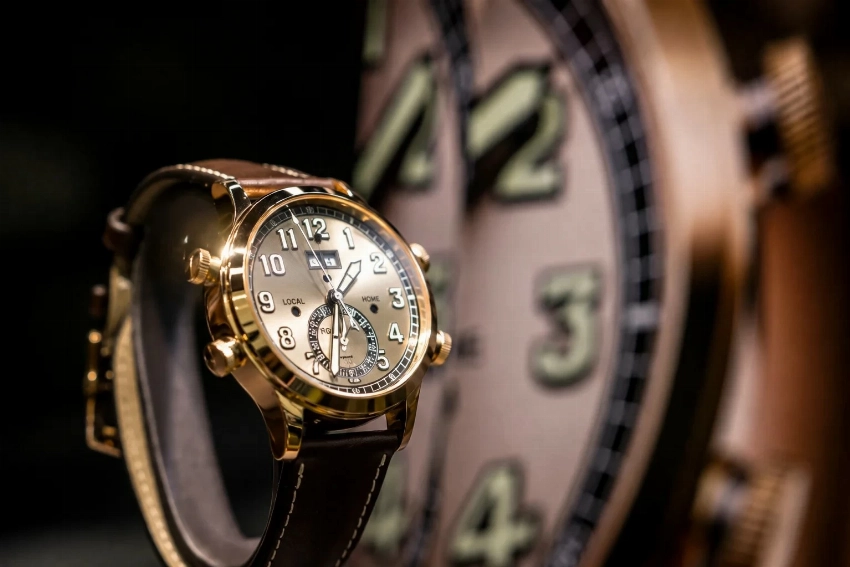
وتشير تقديرات خبراء إلى أن بعض الساعات الذهبية القديمة من عيار 18 قيراطًا تحتوي على 60 إلى 120 غرامًا من الذهب الخالص؛ ما يجعل قيمتها المعدنية تتجاوز بسهولة أسعارها في سوق الساعات المستعملة، خصوصًا تلك التي لا تُعد قطعًا نادرة أو مطلوبة لدى هواة الجمع. كما لاحظت دور المزادات العالمية مثل Sotheby’s وChristie’s انخفاضًا في المعروض من الساعات الذهبية الكلاسيكية، إذ يُسحب جزء منها من التداول ويتجه مباشرة إلى الصهر.
The record rise in gold prices since last January has led to a notable phenomenon in the luxury watch markets; an increasing number of traders and investors have turned to melting down classic gold watches, as their metal value has become higher than their resale value.
More than ten traders, experts, and investment advisors confirmed that used luxury brands, such as (Omega) and (Tag Heuer) under the LVMH group, have been the most affected by this shift, as some of their models are now treated as raw gold rather than collectible watches.

A Typical Case
In a prominent example of this trend, British trader John White from (Gold Traders) melted down an 18-carat (Constellation) watch from the late 1970s that was in excellent condition, after its gold value reached about £5,750; which is 35% higher than its estimated auction value, which ranged between £4,000 and £4,500. White states, “This watch is not an exceptional case, but one of (dozens of watches) that I have melted down this year as demand for gold as an investment haven has surged.”
A Transforming Market
James Lamdin, founder of the pre-owned watch unit Analog Shift under Watches of Switzerland, points out that melting operations are focused on modern used watches, in addition to classic models that are not considered rare or highly collectible, making their melting a more economically viable option.
This shift comes amid gold prices reaching a record level of $5,600 per ounce last January, driven by geopolitical and trade concerns, before stabilizing currently around $4,200; nearly double its average price in 2024. Reports from (Financial Times) and (Bloomberg) indicate that the melting wave is not limited to Europe but extends to markets in Asia and the Middle East, where demand for gold as a hedge has risen amid global economic disruptions.
Global Data
According to data from the World Gold Council, total gold recycling in the first quarter rose by 5% to reach 366 tons, while demand for gold jewelry surged by 31% in value to $47 billion. The council also expects gold prices this year to range between $5,400 and $6,300 per ounce; indicating continued pressures that drive the dismantling and melting of some luxury watches, especially as traders who resell them seek to cover costs and ensure a decent profit margin.
Declining Supply
Experts estimate that some old 18-carat gold watches contain between 60 to 120 grams of pure gold; making their metal value easily surpass their prices in the used watch market, especially those that are not considered rare or sought after by collectors. Global auction houses like Sotheby’s and Christie’s have also noted a decline in the supply of classic gold watches, as part of them is being withdrawn from circulation and directed straight to melting.